
What materials are medical absorbent pads made of?
Leave a message

Medical absorbent pads play a crucial role in the healthcare industry, serving multiple purposes such as wound dressing, surgical use, and patient care. As a medical absorbent pad supplier, I am often asked about the materials used to make these essential products. In this blog post, I will delve into the various materials commonly employed in the manufacturing of medical absorbent pads, exploring their properties, advantages, and applications.
Cotton
Cotton is one of the oldest and most widely used materials for medical absorbent pads. It is a natural fiber derived from the cotton plant, known for its softness, breathability, and high absorbency. Cotton fibers have a porous structure that allows them to quickly absorb and retain liquids, making them ideal for wound dressings and other applications where moisture management is crucial.
One of the key advantages of cotton is its biocompatibility. It is gentle on the skin and unlikely to cause irritation or allergic reactions, making it suitable for use on sensitive areas. Cotton is also highly versatile and can be easily processed into different forms, such as gauze pads, cotton balls, and non - woven fabrics.
In addition to its absorbent properties, cotton is also biodegradable, which is an important consideration in today's environmentally conscious world. However, cotton pads may require additional processing to ensure sterility, and they can be relatively expensive compared to some synthetic materials.
Rayon
Rayon is a semi - synthetic fiber made from cellulose, typically derived from wood pulp. It is known for its high absorbency and softness, similar to cotton. Rayon fibers have a smooth surface and a high affinity for water, allowing them to absorb large amounts of liquid quickly.
One of the advantages of rayon is its cost - effectiveness. It is generally less expensive than cotton, making it an attractive option for mass - produced medical absorbent pads. Rayon can also be blended with other fibers, such as polyester, to enhance its strength and durability.
However, rayon has some limitations. It can lose its strength when wet, which may affect its performance in certain applications. Additionally, the production process of rayon can have environmental impacts, as it involves the use of chemicals.
Polyester
Polyester is a synthetic fiber made from polymers. It is known for its strength, durability, and resistance to wrinkles and shrinking. Polyester fibers are hydrophobic, which means they do not absorb water easily. However, when combined with other absorbent materials, polyester can enhance the overall performance of medical absorbent pads.
In medical absorbent pads, polyester is often used as a backing material or as a component in a blended fabric. It provides structural support and helps to prevent the pad from tearing or falling apart. Polyester is also resistant to bacteria and fungi, which can be beneficial in a medical setting.
One of the advantages of polyester is its low cost and ease of production. It can be manufactured in large quantities and is available in a variety of forms, such as non - woven fabrics. However, polyester may not be as breathable as natural fibers, which can lead to discomfort for the patient if used in direct contact with the skin for extended periods.
Polypropylene
Polypropylene is another synthetic polymer commonly used in the manufacturing of medical absorbent pads. It is a lightweight, strong, and hydrophobic material. Polypropylene fibers can be engineered to have different levels of absorbency by modifying their surface properties.
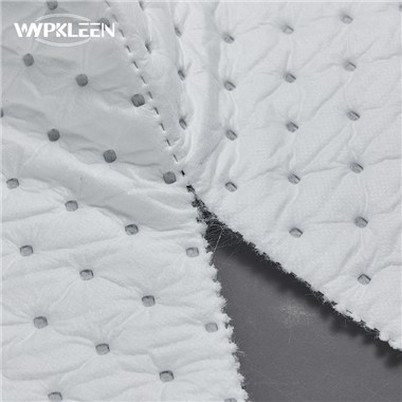
Polypropylene is often used in the production of non - woven fabrics for medical absorbent pads. Non - woven polypropylene fabrics are highly porous, allowing for rapid liquid absorption and distribution. They are also resistant to chemicals and bacteria, making them suitable for use in sterile medical environments.
Polypropylene Absorbent Pad is a popular choice for many medical applications, including surgical drapes, underpads, and wound dressings. It is also relatively inexpensive and easy to manufacture, making it a cost - effective option for medical facilities.
Superabsorbent Polymers (SAPs)
Superabsorbent polymers are a class of materials that can absorb and retain extremely large amounts of liquid relative to their own weight. SAPs are typically made from cross - linked polymers, such as sodium polyacrylate.
In medical absorbent pads, SAPs are often incorporated into the core of the pad to enhance its absorbency. They can absorb and lock in large volumes of urine, blood, or other bodily fluids, preventing leakage and keeping the patient dry. SAPs are particularly useful in products such as adult incontinence pads and heavy - flow wound dressings.
One of the advantages of SAPs is their high absorbency capacity. They can absorb up to 1000 times their own weight in water, which significantly reduces the frequency of pad changes. However, SAPs can be relatively expensive, and their performance may be affected by factors such as the pH and ionic strength of the liquid being absorbed.
Blended Materials
In many cases, medical absorbent pads are made from blended materials to combine the advantages of different fibers. For example, a blend of cotton and polyester may provide the softness and absorbency of cotton with the strength and durability of polyester. Similarly, a blend of rayon and polypropylene can offer high absorbency and cost - effectiveness.
Blended materials can be tailored to meet the specific requirements of different medical applications. They can be designed to have optimal absorbency, comfort, and strength, while also considering factors such as cost and environmental impact.
Other Specialized Materials
In addition to the materials mentioned above, there are also some specialized materials used in certain types of medical absorbent pads. For example, activated carbon is sometimes incorporated into pads to absorb odors and toxins. Silver nanoparticles may be added to pads to provide antibacterial properties, which can help prevent infections in wound dressings.
Absorbent Mats for Oil are also related to the concept of absorbent materials, although they are designed for different applications. These mats are typically made from materials that are highly effective at absorbing oil and other hydrocarbons.
Oil Only Laminated Sorbent Pad is another type of specialized absorbent product. It is designed to selectively absorb oil while repelling water, which can be useful in industrial and environmental cleanup applications.


Conclusion
As a medical absorbent pad supplier, I understand the importance of choosing the right materials for different applications. Each material has its own unique properties, advantages, and limitations. By carefully selecting and combining materials, we can create medical absorbent pads that meet the highest standards of performance, safety, and comfort.
Whether you are a healthcare provider looking for high - quality absorbent pads for your patients or a distributor in need of reliable products, I invite you to contact us to discuss your specific requirements. We offer a wide range of medical absorbent pads made from the finest materials, and we are committed to providing excellent customer service and competitive pricing. Let's work together to find the best solutions for your medical absorbent pad needs.
References
- "Textiles in Medicine and Surgery" by John E. Scott
- "Medical Textiles: Design, Development and Applications" by S. K. Ghosh and A. K. Das