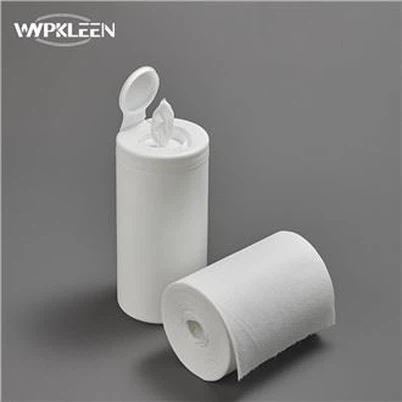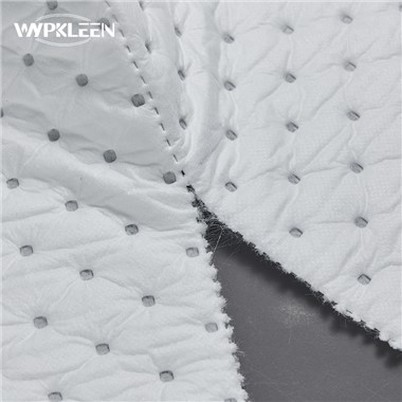



Airlaid Tissue Paper
Product name: Airlaid Tissue Paper
Material: 100% long fiber wood pulp, airlaid. smooth
Basis weight: 50~150gsm
Packing: Jumbo roll
Description
What is Airlaid Paper?
Airlaid paper is a nonwoven material made from wood pulp fibers. Unlike traditional papermaking methods that rely on water as a binding agent, airlaid paper is created using air and a bonding agent. The process involves forming a loose fiber web, followed by a specialized airlaid machine that blows air through the fibers, creating a uniform structure. The result is a material with paper-like qualities while offering enhanced absorbency and bulk.
Specification
|
Product name |
Airlaid Tissue Paper |
Material |
100% long fiber wood pulp, airlaid. smooth |
|
Basis weight |
50~150gsm |
Packing |
Jumbo roll |
|
Color |
white |
Place of origin |
Zhejiang, China |
Advantages of Airlaid Paper
Airlaid linen like napkins offer several advantages that make them a popular choice in various settings. Let's explore some of the key benefits:
- 100% long-fiber wood pulp.
- High oil absorbency, applicable for wiping surfaces with heavy oil, dirt, and dust.
- Softness and Absorbency: They are incredibly soft to the touch, providing a pleasant experience for users. Additionally, their high absorbency ensures efficient liquid and moisture absorption, preventing leaks or spills.
- Strength and Durability: Despite their softness, airlaid paper are remarkably strong and durable. They can withstand rigorous usage without tearing or disintegrating, making them suitable for both casual and formal occasions.
- Customizable Designs: They are available in a wide range of colors, patterns, and designs, allowing businesses to create a personalized look for their events or establishments. Custom printing options enable branding opportunities and enhance the overall aesthetic appeal.
Applications:
- For household use: wet paper napkins, tablecloths, kitchen paper, food preservation, damp-proof packaging, etc.
- Beauty products: makeup cotton, beauty towels, facial masks, disposable bed sheets.
- Sanitary products: sanitary towels, pads, paper diapers, toilet seat covers.
- For medical use: disposable bed sheets, pillowcases, etc.
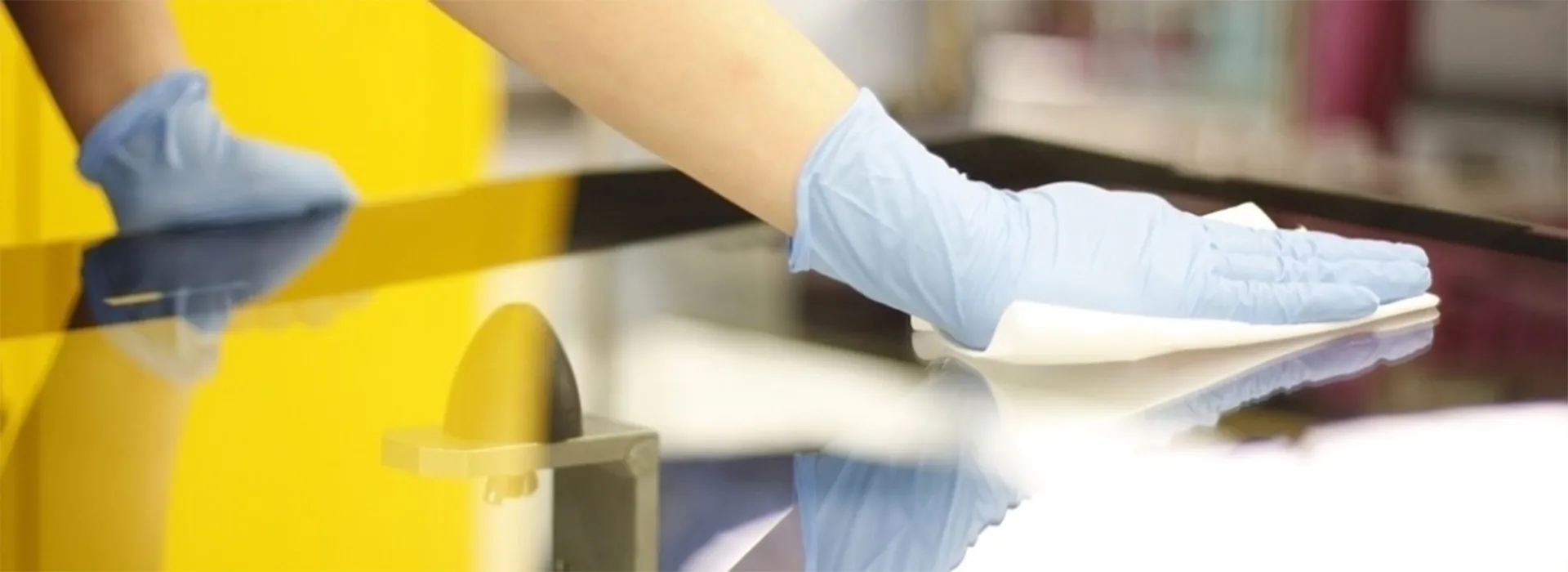
- For industrial use: cleaning, wiping, oil absorption and removal, precision instrument wiping, and dusting.
Paper Napkin Materials
Although, in essence, they are all made of paper, we must take into account the different types of combinations of cellulose and other materials that give rise to various types of napkins. There are three main materials of Paper napkin/Tissue
Paper
White, coloured, striped or with multiple prints... paper offers us the opportunity to produce multiple formats of napkins with a more than acceptable quality and with the advantage of being able to dispose of them easily and conveniently when they have finished their function. Thus, paper napkins are made from a mixture of wood pulp and recycled fibres, subjected to refining processes to obtain a high quality product that is soft to the touch. This paper is cut and folded to obtain napkins of different sizes and designs used in the hotel and catering industry.
Non-woven fabric
TNT is produced by a manufacturing process in which wood and latex fibres are fused together without the use of yarns, using mechanical, chemical or thermal processes. Despite being a non-woven material, its appearance is very similar to that of traditional cloth napkins, which can even lead to confusion.
The wide variety of designs and sizes available will allow you to combine them with the tableware, tablecloths and decoration of your restaurant, thus providing high quality napkins adapted to every occasion of the year, improving the experience of your customers. One of the most popular non-woven formats is Airlaid, which we have in our catalogue.
Sulphite paper
Sulphite paper is ideal for wrapping food for delivery. This additional safety is provided by a sulphuric acid bath, which makes it waterproof. This special treatment also prevents grease from seeping through or deforming the napkins.
Manufacture of Air-laid paper
Unlike the normal papermaking process, air-laid paper does not use water as the carrying medium for the fibre. Fibres are carried and formed to the structure of paper by air. The air-laid structure is isotropic.
The raw material is long fibered softwood fluff pulp in roll form. The pulp are defibrized in a hammermill. Defibration is the process of freeing the fibres from each other before entering the papermachine. Important parameters for dry defibration are shredding energy and knot content. Normally an air-laid paper consists of about 85% fibre. A binder must be applied as a spray or foam. Alternatively, additional fibres or powders can be added to the pulp which can then be activated and cured by heat.
How Air-Laid Napkins Are Made?
Fiber Preparation: The process starts with the preparation of fibers. Various types of fibers, such as cellulose, synthetic fibers, or a blend of both, are selected based on the desired characteristics of the final napkin. Ours are made from wood pulp (cellulose).
- Fiber Opening: The selected fibers are opened and blended together using mechanical processes. This step ensures that the fibers are evenly dispersed and prepared for the next stage.
- Air-Laying: In the air-laying process, the opened fibers are transported through a series of pipes. High-pressure air carries the fibers and deposits them onto a moving belt or web. The airflow creates a uniform distribution of fibers, forming a loosely structured sheet.
- Bonding: To give the napkin strength and integrity, the loosely laid fibers need to be bonded together. Various bonding methods can be used, including thermal bonding or the application of adhesives. Thermal bonding involves passing the air-laid sheet through heated rollers, which melt and bond the fibers together. Adhesives can be applied to the fibers in a specific pattern or sprayed onto the sheet to bond the fibers.
- Drying and Finishing: Once the bonding process is complete, the air-laid sheet goes through a drying process to remove any moisture. This can involve passing the sheet through heated drying ovens or using other methods to evaporate the moisture. After drying, the sheet is calendered to improve its smoothness and texture. (Calendering is a process that makes the material look less fibrous and spongy.)
- Cutting and Folding: The dried and finished sheet is then cut into individual napkin-sized pieces. It can be cut into different shapes, such as square or rectangular. If desired, the napkins can undergo additional processing steps for embossing or printing designs. They can be pre-folded into sixths or eighths or left unfolded. Unfolded napkins are a great option for creating napkin origami.
How To Find The Right Airlaid Tissue Paper Suppliers?
- Online Suppliers: The internet offers a vast array of options when it comes to wholesale napkins. Many online suppliers specialize in providing bulk quantities at competitive prices. Research different suppliers, read reviews, and compare product offerings before making a decision. Please check our website to get what you want: nonwoven-wipes.com
- Trade Shows and Exhibitions: Attending trade shows and exhibitions related to the hospitality or paper products industry can provide opportunities to connect with wholesale suppliers directly. These events often showcase the latest trends and innovations in the market, allowing you to source airlaid napkins while networking with industry professionals.
- Reach Beyond: Except for local supplier, explore oversea distributors or wholesalers beyond your area. You might get better option.They may offer better price and quality products. Reach out to them, inquire about their product range, pricing, and delivery options. Building relationships with these suppliers can lead to long-term partnerships and reliable service.
Why choose us as your Airlaid Tissue Paper manufacturer?
Wide products
Our products mainly cover viscose polyester spun lace nonwoven fabrics, wood pulp pp spun lace nonwoven fabrics, wood pulp polyester spun lace nonwoven fabrics, pp spunbond nonwoven fabrics, pp melt-blown nonwoven fabrics and absorbents, and so on.
Professional Sales team
Our team with more than 10 years of experience in the nonwoven fabrics field, supplies parent rolls and wiping finished goods. Our products are mainly exported to America, Southeast Asia, and other countries.
OEM is available
We are a professional factory dedicated to the research and development, production, sales, and OEM service of nonwoven cleaning products that are widely used in Automotive Refinishing, Aerospace, Hospitality and Food Service, and Industrial and Manufacturing Cleaning.
Our service
We not only provide professional nonwoven solutions but also establish a perfect after-sales system, we promise to feedback to our customers in 24 hours.
FAQ
Q: Are you a factory or a trading company?
Q: Where is your factory located? How can I visit?
Q: What is the material of your products?
Q: How can I get some samples of cleaning cloths, wiping cloths, and nonwoven cleaning wipes?
Q: How do I place an order?
We will send you a quotation.
We will send you samples to check the quality and other details.
Further negotiation if necessary.
Once you send us the deposit, we will arrange for your order to go into production immediately.
Q: What are airlaid paper napkins?
Q: What is a paper napkin used for?
Q: Is airlaid paper biodegradable?
Q: What is airlaid nonwoven fabric?
Q: What are the raw materials of airlaid?
Q: What is the meaning of airlaid?
Q: What is the process of airlaid nonwoven?
Hot Tags: airlaid tissue paper, China airlaid tissue paper manufacturers, suppliers, factory, Nonwoven Airlaid Paper, Airlaid Tissue Paper, Airlaid Paper Wipe
Send Inquiry
You Might Also Like