

Why Choose Us
Our products
Our products mainly cover Industrial Non-woven Wipers, Household Wipes, Medical Wipes, Beauty Care products, etc.
Sales team
We own a professional sales team who can service you within 24 hours.We are sure any of your inquiry will get our prompt attention and reply.
Products applications
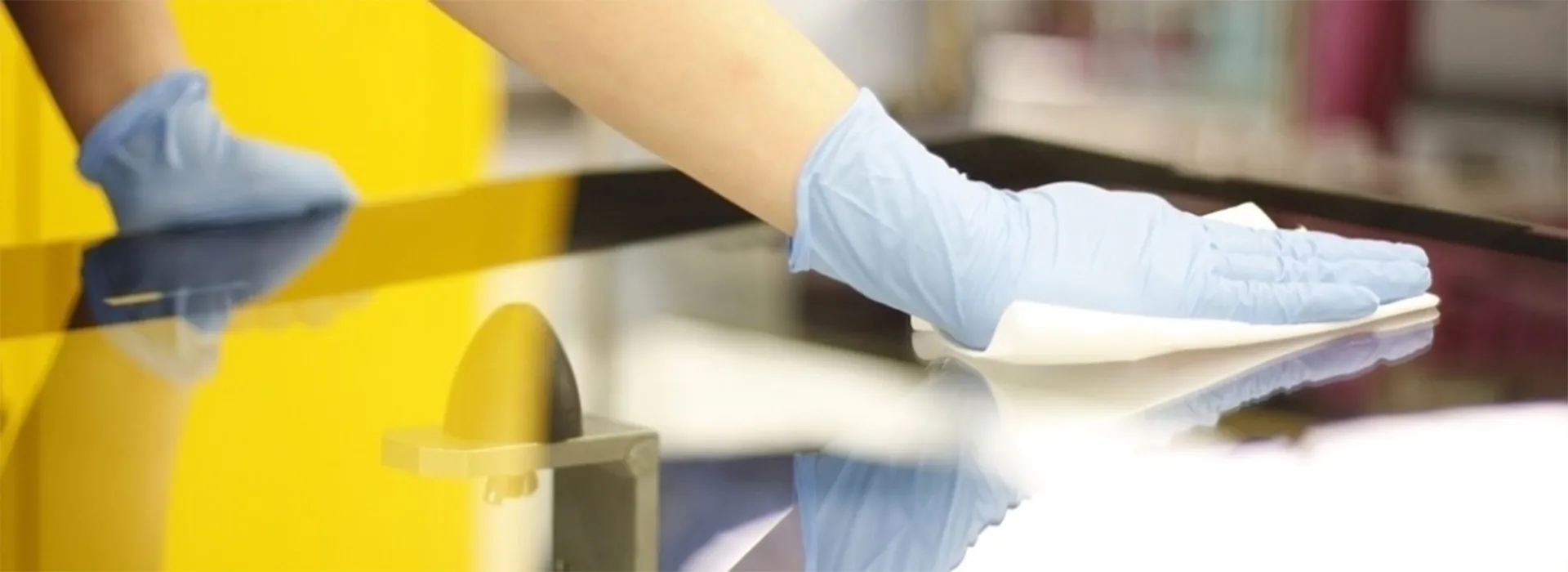
We are a professional factory dedicated to the research and development, production, sales, and OEM service of nonwoven cleaning products which are widely used in Automotive Refinishing, Aerospace, Hospitality and Food Service, and Industrial and Manufacturing Cleaning.
Our service
We not only provide professional nonwoven solutions, but also established a perfect after-sales system, we promise to feedback to our customers in 24 hours.


Airlaid is a textile-like material made of natural wood fibers, also called fluff pulp. The fibers are consolidated with mechanical, chemical or thermal energy to form a nonwoven fabric.
Advantages of Airlaid Paper
Airlaid linen like napkins offer several advantages that make them a popular choice in various settings. Let ‘s explore some of the key benefits
Softness and Absorbency
They are incredibly soft to the touch, providing a pleasant experience for users. Additionally, their high absorbency ensures efficient liquid and moisture absorption, preventing leaks or spills.
Strength and Durability
Despite their softness, airlaid paper are remarkably strong and durable. They can withstand rigorous usage without tearing or disintegrating, making them suitable for both casual and formal occasions.
Customizable Designs
They are available in a wide range of colors, patterns, and designs, allowing businesses to create a personalized look for their events or establishments. Custom printing options enable branding opportunities and enhance the overall aesthetic appeal.

Hygiene and Personal Care
Airlaid paper is a staple in the hygiene and personal care industry. It’s used to create products like absorbent hygiene pads, adult diapers, and baby wipes.
Food Service and Hospitality
In the food service and hospitality sector, airlaid paper shines as a convenient solution. It’s used to create disposable napkins, disposable paper tablecloths, and tray liners.
Medical and Healthcare
The medical and healthcare fields rely on air laid paper for its superior absorbency. It’s used in wound dressings, surgical drapes, and other medical applications.
Production Process of Airlaid Paper
The production of airlaid paper involves a meticulous and innovative process. Here is a detailed breakdown of the steps involved
Fiber Preparation
a. Raw Material Selection
Cellulose Fibers: The primary raw material used is cellulose fibers, typically derived from wood pulp. These fibers are chosen for their natural absorbency and softness.
Synthetic Fibers: To enhance specific properties, synthetic fibers such as polyester or polypropylene may be added.
b. Pulping and Refining
The selected fibers are pulped and refined to achieve the desired consistency and length. This ensures that the fibers are adequately prepared for the airlaying process.
Fiber Distribution
a. Airlaying Machine Setup
The airlaying machine, equipped with a series of formers and conveyors, is set up to create the airlaid web.
b. Fiber Dispersion
The refined fibers are dispersed into an airstream using a high-velocity air blower that separates and evenly distributes the fibers.
c. Web Formation
The dispersed fibers are directed onto a moving forming belt. As the fibers settle on the belt, they create a web with uniform thickness and density. The airflow ensures that the fibers interlock randomly, enhancing the web’s strength and absorbency.
Bonding
a. Thermal Bonding
In this method, the fiber web is passed through heated rollers or ovens. The heat activates thermoplastic binders within the fibers, causing them to melt and bond at the intersections. This method is commonly used when synthetic fibers are included.
b. Latex Bonding
A latex emulsion is sprayed or printed onto the fiber web. The web is then dried, and the latex forms bonds between the fibers. This method provides flexibility and softness while maintaining strength.
c. Hydrogen Bonding
This method relies on the natural bonding properties of cellulose fibers. Water is added to the fiber web, causing the cellulose fibers to swell and bond through hydrogen bonds as they dry. This method is more environmentally friendly as it avoids the use of synthetic binders.
Drying and Finishing
a. Drying
The bonded web is passed through drying units to remove any remaining moisture, ensuring the final product has the desired dryness and stability.
b. Calendering
The dried web is then calendered, where it is passed through a series of rollers to smooth and compress the paper. This step improves the texture and appearance of the final product.
c. Cutting and Winding
The finished airlaid paper is cut to the desired size and wound into rolls or sheets. These rolls or sheets are then prepared for further processing or packaging.
Applications of Airlaid Nonwoven Fabric
The versatility of airlaid nonwoven fabrics has led to their widespread use in various industries, including
Hygiene Products
Baby Diapers: Airlaid nonwovens are used as absorbent cores in baby diapers, providing excellent fluid management and keeping babies dry and comfortable.
Feminine Hygiene Products: Airlaid materials are incorporated into sanitary pads and panty liners for their superior absorption and softness.
Adult Incontinence Products: Airlaid fabrics are crucial components in adult diapers and incontinence pads, offering high absorbency and discretion.
Medical and Healthcare
Wound Dressings: The soft, absorbent, and breathable nature of airlaid fabrics makes them ideal for wound dressings, promoting healing and patient comfort.
Surgical Gowns and Drapes: Airlaid materials are used in disposable surgical gowns and drapes, providing a barrier against fluids and bacteria.
Medical Wipes: Airlaid nonwovens are commonly used in medical wipes for their softness, absorbency, and ability to hold cleaning solutions effectively.
Other Applications
Tabletop Products: Airlaid materials are used in tablecloths, napkins, and placemats for their aesthetic appeal, liquid absorbency, and ease of disposal.
Filtration: Airlaid fabrics can be engineered for specific filtration applications, such as air filters and liquid filtration media.
Packaging: Airlaid nonwovens are used as protective packaging materials for fragile items due to their cushioning and impact-absorbing properties.
Airlaid paper is typically made from a blend of natural and biodegradable fibers, including:
Wood Pulp: Provides strength and structure to the material.
Cellulose Fibers: Derived from plants, these fibers contribute to softness and absorbency.
Binder Fibers: Help bind the other fibers together, enhancing the material’s integrity.

What are Processing Techniques for Airlaid Paper?
Airlaid paper is a type of airlaid pulp nonwovens. From its name, we can see the two main characteristics of dust-free paper: first, the raw material is wood pulp fiber; second, it uses air-laid technology. The production process of nonwoven fabrics mainly consists of two processes: web forming and reinforcement. What are Processing Techniques for Airlaid Paper? Airlaid papermaking nonwovens mainly use two methods: chemical bonding and thermal bonding.
Chemical bonding method
The chemical bonding method uses wood pulp fibers (fuzz pulp) as raw materials. After the fibers are opened into a single fiber state and air-laid, a water-soluble adhesive is sprayed onto the surface of the fiber web by spraying, and then baked and reinforced into a cloth. . The main uses of the products are industrial wipes, women's hygiene products, baby wipes, tablecloths, wet facial wipes and cooking cloths.
Thermal bonding method
The thermal bonding method is to mix hot-melt fibers into fluff pulp fibers. The mixing ratio is generally not less than 15%. After air-laying, the low-melting fibers in the fiber web are melted by hot air or hot rolling to reinforce the fiber web into cloth. . Because the thermally bonded nonwoven fabric does not contain chemical adhesives, the product has better fluffiness and hygroscopicity. It is mainly used as the absorbent core of high-absorbent sanitary products, thin women's sanitary napkins, etc. Based on this use, some production lines are equipped with an application device for super absorbent resin (SAP) powder. Due to the addition of polymer water-absorbing resin, it can turn water into solid matter after absorbing water, greatly improving its water-absorbing capacity.
Our Factory
Over the years, Share-win adheres to customers' demands as the core, provides long-term service for more than 100 enterprises in the world, and has won many customers' trust and praise through high-quality and attentive services. We not only provide professional nonwoven solutions but also established a perfect after-sales system, we promise to feedback to our customers in 24 hours.

Our certificate


FAQ
Q: What is airlaid nonwoven?
Q: What is the airlaid process?
Q: What is airlaid paper made of?
Q: What are the raw materials for airlaid?
Q: What are the raw materials for airlaid paper?
Q: What is airlaid paper made of?
Q: What is the airlaid process?
Q: What is the process of airlaid nonwoven?
Q: Is airlaid paper biodegradable?
Q: What are the raw materials of airlaid?
Q: Is airlaid recyclable?
Q: What is the air laid nonwoven process?
Q: Is airlaid paper compostable?
Q: What is the difference between airlaid and drylaid?
Q: What is airlaid made of?
Q: Is airlaid paper biodegradable?
Q: What are the raw materials of airlaid paper?
As one of the most professional airlaid paper manufacturers and suppliers in China, we're featured by quality products and good service. Please rest assured to wholesale cheap airlaid paper from our factory.
Nonwoven Airlaid Paper, Airlaid Paper Wipe, Airlaid Tissue Paper