

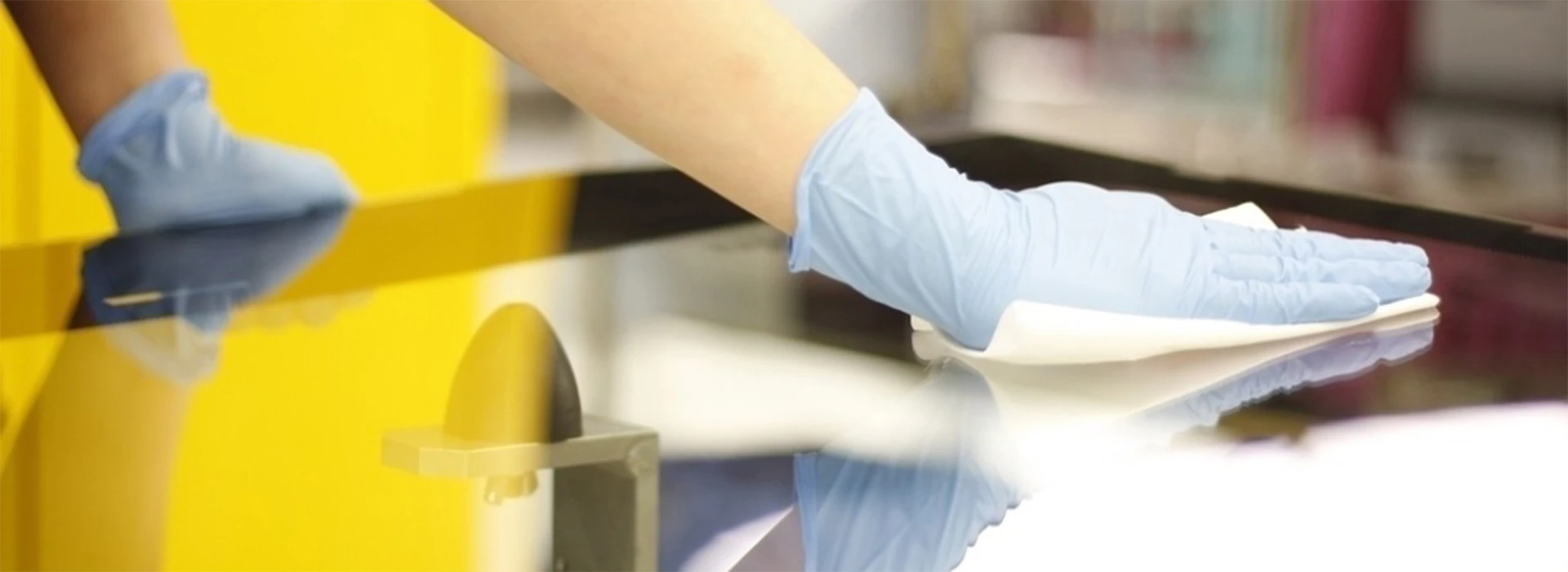
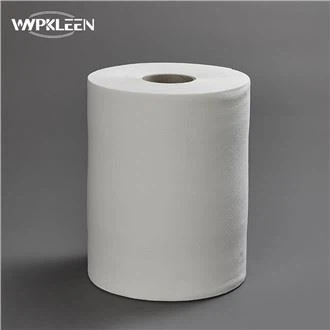
For home use, paper wipes are usually sold in a roll of perforated sheets, but some are sold in stacks of pre-cut and pre-folded layers for use in paper-towel dispensers. Unlike cloth towels, paper towels are disposable and intended to be used only once. Paper towels absorb water because they are loosely woven, which enables water to travel between the fibers, even against gravity (capillary effect). They have similar purposes to conventional towels, such as drying hands, wiping windows and other surfaces, dusting, and cleaning up spills.
Advantages of Paper Wipes
Hygiene first
Paper wipes are a frontline defence in maintaining a hygienic environment. Unlike air dryers that can circulate bacteria and viruses in the air, paper towels absorb moisture quickly, ensuring that hands are thoroughly dried, reducing the risk of cross-contamination.
Reduced maintenance costs
Compared to electric hand dryers, paper wipes often result in lower maintenance costs. Dryers can require regular maintenance, filter replacements, and repairs, while paper wipes dispensers are simpler to manage and less prone to technical issues.
Environmental sustainability
Contrary to common misconceptions, paper wipes can be an environmentally friendly choice. Many products are made from recycled materials, and the paper industry has made strides in sustainable practices. Additionally, paper wipes can be easily recycled, contributing to a more circular economy.
Energy-efficient alternative
In comparison to electric hand dryers, paper wipes have a lower carbon footprint. Manufacturing and operating electric dryers can require substantial energy, whereas paper wipes involve less energy-intensive processes, making them a more energy-efficient choice.
Reduced cross-contamination risk
In high-traffic commercial spaces, the risk of cross-contamination is a significant concern. Paper wipes, being single-use and disposable, reduce the likelihood of bacteria or germs being spread from one person to another, promoting a healthier and safer environment.


Why Choose Us
Our products
Our products mainly cover Industrial Non-woven Wipers, Household Wipes, Medical Wipes, Beauty Care products, etc.
Sales team
We own a professional sales team who can service you within 24 hours.We are sure any of your inquiry will get our prompt attention and reply.
Products applications
We are a professional factory dedicated to the research and development, production, sales, and OEM service of nonwoven cleaning products which are widely used in Automotive Refinishing, Aerospace, Hospitality and Food Service, and Industrial and Manufacturing Cleaning.
Our service
We not only provide professional nonwoven solutions, but also established a perfect after-sales system, we promise to feedback to our customers in 24 hours.
Types of Paper Wipes
Standard paper wipes
General-purpose paper wipes that come in rolls and are designed for easy tearing. They can be used throughout the house and the kitchen for day-to-day tasks like cleaning kitchen appliances and drying hands.
Multi-ply paper wipes
A thicker variety of single-ply wipes that provide extra strength and better absorption for tougher cleaning.
Recycled paper wipes
Being composed of recycled materials, this variety can significantly reduce your carbon footprint. Though not as durable and absorbent as others, it can save the environment and serve tasks like cleaning spillages during arts and crafts or being employed as a hand towel and face wipe.
Lint-free paper wipes
Made of special fibers, lint-free paper wipes are perfect for cleaning surfaces like mirrors and glass that require a sleek finish.
Industrial paper wipes
Heavy-duty paper wipes made for tougher clean-ups like garages and bathrooms requiring higher absorption levels.
Select-a-size paper wipes
Designed with different-sized perforations and absorbent materials, like wood pulp. They help reduce wastage by providing sheets in multiple sizes (smaller or bigger), depending on the task being done.
How to Make Wet Wipes from Paper Wipes & Soap
Mark where to cut the paper wipes roll so it fits in the container: Put the paper wipes roll in the storage container you plan to use for the wipes. Mark where to cut the roll so that it will fit inside. It should be about 1/3 to 1/2 of the size of the paper wipes roll.
Cut the paper wipes in half
Cut the paper wipes roll in half along the width. Be prepared that this is going to be harder than you think it will be! A serrated bread knife seems to cut the best, but there will still be plenty of sawing.
Whisk together the cleaning solution ingredients
Pour all of the liquid ingredients in a measuring cup and whisk together until combined. Note: You can skip the soap altogether if you or your baby has really sensitive skin.
Position the paper wipes in the storage container
With the cut side down, put the paper wipes in the storage container.
Pour in the solution
Pour the solution over the wipes, circling around to get the liquid on all of the paper wipes.
Soak the paper wipes in the solution
Close the container and let the solution soak into the wipes for a couple of hours. You can flip the container over to help disperse the liquid.
Remove the cardboard roll to pull out wipes
Remove the center cardboard piece. This will pull out the first wipe. Continue to pull the wipes from the center.

Methods of Folding Paper Wipes
C-fold paper wipes
These are the most common folded paper wipes, where a square towel has both sides folded inwards to meet in the middle.
S-fold or Z-fold paper wipes
This fold ensures that paper wipes are interlocked, so as the paper wipes is pulled out of the dispenser, the towel after will follow it. This is hygienic and easy to control usage.
Multifold
Multifold paper wipes are folded in three layers, in the shape of an accordion. Multifold towels are usually more absorbent than others due to their larger size, meaning that they could be a cost-effective option for high traffic areas.
Single fold
Single fold paper wipes are folded once down the middle of the towel, and they are stacked interlocking with others. This controls their usage and means that consumption and waste are reduced.
Rolled
Rolled or centrefed paper wipes are best for commercial use and are commonly used in kitchens. The towel is pulled down from the centre of the roll, allowing it to unravel inside the dispenser.
Check the product details on the packaging, paying attention to the font size and raw materials used. Look for products issued by health administrative departments at the provincial level or above, with raw wood pulp as the preferred material. The production date is usually located at the bottom of the package.
High-quality tissue paper should be soft, delicate, lint-free, and free from powder. It should have good toughness, purity, and no stains. Wet toilet paper should be flushable without causing blockages.
Some tissue papers made from recycled waste paper pulp may have excessive wet strength agents, which can lead to toilet blockages. Papers made from original bamboo and wood pulp have long fibers, high tensile strength, good toughness, and are less likely to tear. Poor-quality paper may have irregular small holes and loose powder.
Smell the tissue paper. If there is a strong chemical scent, it indicates a high content of bleaching agents. Scented tissue papers should be avoided for wiping the mouth.
Once opened, it is best to use up the paper towels within one month to minimize exposure to air and prevent moisture from breeding bacteria.
Paper wipes cannot replace handwashing, so it is still necessary to wash hands after using wipes. Paper wipes generally contains 80% liquid, mainly comprising water and bactericidal agents, with additional chemical preparations.
Good toilet paper turns into white ash when burned. All wood pulp papers are biodegradable and flushable.
Check the appearance, packaging, and sealing of the tissue paper. It should be neatly and securely packaged without any damage. The paper surface should be clean without noticeable creases, defects, hard lumps, raw grass tendons, pulp lumps, or other impurities.

What Pulp is Used for Making Paper Wipes
Virgin Wood Pulp
One of the primary materials used in toilet paper production is virgin wood pulp. Virgin wood pulp is derived from freshly cut trees, and it offers several advantages. It has a high fiber content, typically more than 80%, which results in uniform and fine paper. The fibers can be sourced from hardwood pulp or softwood pulp, each offering different properties. Hardwood pulp provides a softer texture, while softwood pulp enhances flexibility. Many high-quality toilet papers use a blend of these two wood pulps to achieve a balance between softness and strength.
"virgin wood pulp" paper is generally considered the healthiest and most comfortable option among the available raw materials. Nevertheless,
Recycled Pulp
Recycled pulp is another common material used for manufacturing toilet paper. It is obtained from recycled paper products such as newspapers, magazines, and office papers. The recycling process involves removing ink and other impurities from the paper, followed by various treatments and bleaching to create usable toilet paper. While recycled pulp helps reduce the demand for virgin materials and promotes sustainability, it can be challenging to control the quality of the raw materials. Consequently, the quality of toilet paper made from recycled pulp may vary.
Straw Pulp
Straw pulp has gained popularity in recent years as an alternative material for making toilet paper. It is derived from agricultural residues like wheat straw, bamboo pulp, and bagasse pulp. Straw pulp is often unbleached, giving toilet paper a natural and eco-friendly appeal. However, straw pulp-based toilet paper tends to feel more rigid and less flexible. Manufacturers may need to incorporate chemicals during papermaking to improve softness and whiteness. Prolonged use of straw pulp toilet paper may potentially cause skin irritation.
Other Pulp Variants
Apart from virgin wood pulp, recycled pulp, and straw pulp, there are various other pulp variants used in toilet paper production. These include alternative fiber sources like bamboo, sugarcane, and eucalyptus, each offering unique properties such as softness, strength, and environmental sustainability. These alternative pulps are often blended with other pulps to create toilet paper with specific characteristics and benefits.
Potential Hazards of Poor-Quality Paper Wipes

Nervous System and Blood System Damage
Manufacturers often use recycled paper in the production of tissue paper. To enhance its appearance, texture, and color, they may add deinking agents and talc. Regularly using such toilet paper to wipe your mouth can introduce harmful substances into your body, potentially damaging your nervous system and blood system.
Increased Risk of Hepatitis and Dysentery
Paper wipes made from recycled paper may contain bacteria and fungi. Despite disinfection during production, some microorganisms may still persist. Using these tissues carries the risk of enteritis, dysentery, and even hepatitis.


Skin Inflammation
According to dermatologists, prolonged use of low-quality toilet paper increases the exposure of the skin to bacteria and fungi, leading to allergic problems like dermatitis. Children and women, with their delicate skin, require extra attention in this regard.
Respiratory Problems
Poor-quality toilet paper may retain whitening agents and talc powder. When wiping the nose and mouth, dust particles may enter the respiratory tract through the nasal cavity, potentially causing respiratory issues.

The Production Process of Paper Wipes
Sourcing and Preparing the Raw Materials
The first step in manufacturing paper wipes is sourcing the raw materials, which primarily consists of wood pulp. Wood pulp is derived from different types of trees, including softwood like pine and hardwood like eucalyptus. These trees are harvested from sustainable forests and transported to the paper mill. Once at the mill, the logs are debarked, chipped, and then dissolved in chemicals to separate the fibers from other impurities.
Pulp Preparation and Cleaning
The separated fibers are mixed with water to create pulp, which is then processed further to enhance its quality. The pulp goes through a series of cleaning stages, including screening, centrifugal cleaning, and flotation. These processes remove contaminants such as dirt, bark, and ink particles to ensure that the paper wipes are safe and clean for use.
Paper Formation
Once the pulp is thoroughly cleaned, it is ready to be converted into paper. The pulp is mixed with water to create a slurry, which is then sprayed onto a moving mesh conveyor belt. As the water drains away, the suspended fibers start to bond together, forming a continuous sheet of paper. This method is known as the wet-laid process – the most common method in paper towel production.
Drying, Pressing, and Finishing
After the paper is formed, it goes through a pressing process to remove excess water and improve its strength. The sheet is passed through large rollers, which squeeze out the water and create a smooth, uniform surface. The partially dried paper is then transferred to a drying section, where heated cylinders or hot air dryers complete the process. Once dried, the paper towel is wound onto large rolls.
During the finishing stage, the rolls of paper towel are perforated and then cut into smaller sizes. The perforation lines allow users to easily tear off individual sheets. Sometimes, an embossing process is also employed to create patterns or designs on the paper towel sheets.
Packaging and Distribution
The final stage in the manufacturing process is packaging and distribution. The paper towel rolls are wrapped in plastic or placed in individual packaging, ensuring hygiene and protection during transportation and storage. The packaged paper wipes are then distributed to retail stores or directly to consumers through various channels.
Uses for Paper Wipes
Composting
Paper contains a lot of carbon, and that makes it great for the so-called "brown" content in your compost management system. After you've used a paper wipes, compost it to help maintain the carbon balance in your compost and aerate the pile. The paper wipes fluffiness encourages air pockets to form, supporting the growth of beneficial microorganisms ... so you'll have nice, healthy, beautiful compost for your landscaping service to work with.
Keeping greens and herbs fresh
Lettuce, herbs, kale, and other greens tend to wilt in the fridge. Add a moist paper wipes to the bag they're kept in, and notice how their lives are dramatically extended! The paper wipes holds moisture to maintain a comfortable humidity level, without keeping the greens damp and allowing them to start rotting.
The bread trick
Ever stick a loaf of bread in the freezer for later, thaw it out, and discover that you have a soggy mess? That's no bueno. Try adding a paper wipes to the bag before freezing. When you do that, it'll collect the moisture and wick it away from the bread, keeping your loaf nice and fresh.
Grease and gunk absorber
Hey, it's what they're made for! But you can use paper wipes for more than wiping grease off your hands and tools. Try running a paper wipes through a freshly oiled sewing machine to pick up the excess lubricant so it won't stain fabric, or "open" a paper wipes with a can opener to absorb the buildup of adhesives, grease, and gunk that tends to appear over time.
Cast iron maintenance
Cast iron pans are expensive, and they require some tender loving care. After use, wipe them down with paper wipes to remove oil and food, and consider storing them interleaved with paper wipes if you're not hanging them up, ensuring that rust won't arrive. If you need to wash a cast iron pan to remove caked-on food messes, make sure to dry it on the stove and when you're done, rub it with a paper wipes dipped in fat to keep the pan in good condition.
Removing crayon marks and other wax
Set a paper wipes over the wax stain and run an iron over it on low. The paper wipes will absorb the crayon, while also protecting the iron. This works best on hard surfaces like chalkboards, but you can use it on upholstery and carpets too!
Emergency coffee filter
We've all been there: desperately needing morning fuel, and yet lacking a key component. A paper wipes can serve in a pinch!
FAQ
Q: What is airlaid nonwoven?
Q: How is airlaid paper made?
Q: What are the raw materials for airlaid paper?
Q: What is the process of airlaid?
Q: What are airlaid paper napkins?
Q: What is the process of airlaid nonwoven?
Q: What are the qualities of a good paper towel?
Q: What are the qualities of a good paper towel?
Q: What determines the strength of paper towels?
Q: How many GSM is good quality paper?
As one of the most professional paper wipes manufacturers and suppliers in China, we're featured by quality products and good service. Please rest assured to wholesale cheap paper wipes from our factory.
, Spunbond Meltblown Spunbond Fabric