
Are sorbent products reusable?
Leave a message

As a supplier of sorbent products, I often encounter questions from customers regarding the reusability of these items. This topic is not only crucial for cost - effectiveness but also for environmental sustainability. In this blog, I'll delve into the factors that determine whether sorbent products are reusable and provide insights based on our experience in the industry.
Types of Sorbent Products and Their Reusability
Sorbent products come in various forms, each designed for specific applications. The most common types include pads, booms, and socks. Let's take a closer look at each type and evaluate their potential for reuse.
Polypropylene Meltblown Oil Only Sorbent Socks
Polypropylene Meltblown Oil Only Sorbent Socks are widely used for containing and absorbing oil spills. These socks are made from polypropylene, a synthetic polymer known for its excellent oil - absorption properties. When it comes to reusability, it depends on several factors.
One of the primary considerations is the type of oil absorbed. If the oil is relatively clean and free from contaminants such as dirt, debris, or chemicals, there is a higher chance of reusing the sorbent socks. After absorbing the oil, the socks can sometimes be squeezed or wrung out to remove a significant portion of the absorbed oil. However, it's important to note that not all of the oil can be removed through simple mechanical means.
The condition of the sorbent material itself also plays a role. Over time, repeated use and exposure to oil can cause the polypropylene fibers to break down or lose their effectiveness. If the fibers become matted or damaged, the sock's ability to absorb oil will be compromised, making it less suitable for reuse.
Oil Spill Absorbent Pad
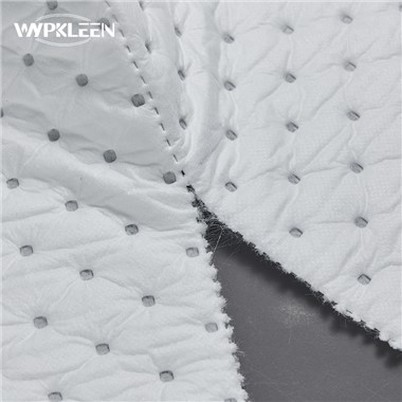
Oil Spill Absorbent Pad are another popular sorbent product. These pads are often used for quick cleanup of small oil spills on surfaces. Similar to sorbent socks, their reusability depends on the nature of the spill and the condition of the pad.


If the absorbent pad has only absorbed a small amount of oil and is not heavily soiled, it may be possible to reuse it. Some pads can be washed or treated to remove the absorbed oil. However, washing must be done carefully, as improper washing can damage the pad's structure and reduce its absorbency.
In some cases, the type of oil absorbed can also affect the pad's reusability. For example, if the oil is highly viscous or contains additives that can bond strongly to the pad material, it may be more difficult to remove the oil completely, reducing the likelihood of successful reuse.
Factors Affecting Reusability
Beyond the type of sorbent product, several other factors can influence whether a sorbent item can be reused.
Contamination Level
As mentioned earlier, the presence of contaminants in the spilled substance is a major factor. If the oil spill is mixed with dirt, sand, or chemicals, the sorbent product will be more difficult to clean and reuse. Contaminants can become trapped within the sorbent material, reducing its effectiveness and potentially causing it to break down more quickly.
Absorption Capacity
The amount of oil or other liquid absorbed by the sorbent product also matters. If a sorbent item has reached its maximum absorption capacity, it may be more challenging to remove the absorbed liquid and restore its functionality. In some cases, over - saturated sorbents may have their structure compromised, making them less suitable for reuse.
Storage Conditions
Proper storage of used sorbent products is essential for potential reuse. If the used sorbents are left in a damp or dirty environment, they may become moldy or contaminated further. Storing them in a dry, clean place can help preserve their condition and increase the chances of successful reuse.
Benefits of Reusing Sorbent Products
Reusing sorbent products offers several benefits, both for the environment and for businesses.
Cost Savings
One of the most obvious advantages is cost savings. By reusing sorbent products, companies can reduce their expenditure on purchasing new sorbents. This is particularly important for industries that frequently deal with oil spills or other liquid leaks, such as manufacturing, transportation, and oil and gas.
Environmental Sustainability
Reusing sorbent products also contributes to environmental sustainability. Producing new sorbents requires energy and resources, and disposing of used sorbents can have a negative impact on the environment. By reusing these products, we can reduce waste and minimize our carbon footprint.
Challenges of Reusing Sorbent Products
While there are benefits to reusing sorbent products, there are also some challenges that need to be addressed.
Cleaning and Treatment
Cleaning and treating used sorbent products can be a time - consuming and labor - intensive process. It may require specialized equipment and chemicals to remove the absorbed oil effectively. Additionally, improper cleaning can damage the sorbent material and render it unusable.
Quality Assurance
Ensuring that reused sorbent products meet the same quality standards as new ones can be difficult. There is always a risk that the reused sorbent may not perform as well as a new one, which could lead to ineffective spill cleanup.
Conclusion
In conclusion, the reusability of sorbent products is a complex issue that depends on multiple factors, including the type of product, the nature of the spill, and the condition of the sorbent material. While some sorbent products, such as Polypropylene Meltblown Oil Only Sorbent Socks and Oil Spill Absorbent Pad, have the potential to be reused, it's important to carefully evaluate each situation.
If you're considering reusing sorbent products, it's recommended to conduct a thorough assessment of the used sorbents and consult with experts in the field. At our company, we have extensive experience in providing sorbent solutions and can offer guidance on the best practices for reuse.
If you're interested in learning more about our sorbent products or discussing potential procurement opportunities, please feel free to reach out. We're always ready to assist you in finding the most suitable sorbent solutions for your needs.
References
- ASTM International. (20XX). Standard test methods for sorbent performance of geosynthetic materials.
- Environmental Protection Agency. (20XX). Guidelines for oil spill cleanup and sorbent use.
- Industry reports on sorbent product manufacturing and usage.