
Can I reuse facial mask tissue?
Leave a message

As a facial mask tissue supplier, I often receive questions from customers about the reusability of facial mask tissue. This topic has sparked a lot of debate among skincare enthusiasts, and today, I'd like to delve into this issue from a scientific perspective to provide you with a comprehensive answer.
The Structure and Function of Facial Mask Tissue
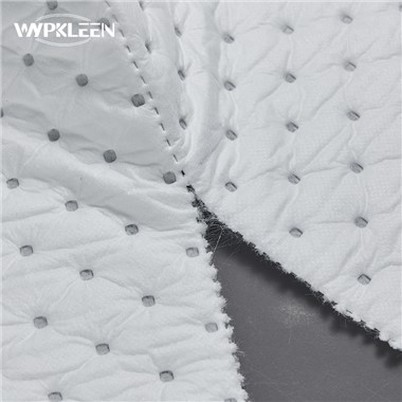
Before discussing whether facial mask tissue can be reused, it's essential to understand its structure and function. Facial mask tissue is typically made from various materials such as cotton, cellulose, or non - woven fabric. These materials are designed to hold a large amount of essence, which contains a variety of active ingredients like hyaluronic acid, vitamins, and plant extracts.


The main function of facial mask tissue is to create a closed environment on the skin surface. When the mask is applied, it prevents the evaporation of moisture from the skin, allowing the skin to absorb the essence more effectively. The essence penetrates the epidermis, providing hydration, nutrition, and other skincare benefits.
Reasons Against Reusing Facial Mask Tissue
Bacterial Growth
One of the most significant concerns about reusing facial mask tissue is bacterial growth. Once a facial mask has been applied to the skin, it comes into contact with sweat, sebum, and bacteria from the skin's surface. These contaminants can quickly multiply on the mask tissue, especially if the mask is stored in a warm and humid environment.
According to a study published in the Journal of Dermatological Science, after a single use, a facial mask can harbor a significant amount of bacteria, including Staphylococcus aureus and Escherichia coli. Reusing such a mask can increase the risk of skin infections, breakouts, and other skin problems.
Loss of Active Ingredients
The active ingredients in facial mask essence are designed to work in a specific concentration. During the first use, the skin absorbs a large portion of these active ingredients. When the mask is reused, the remaining essence may have a much lower concentration of effective substances.
For example, hyaluronic acid, a common ingredient in facial masks for hydration, is quickly absorbed by the skin. After one use, the amount of hyaluronic acid left in the mask may not be sufficient to provide the same level of hydration as the first application. As a result, reusing the mask may not yield the desired skincare results.
Structural Damage
Facial mask tissue can undergo structural damage during use. When the mask is removed from the face, it may stretch, tear, or lose its original shape. This damage can affect the mask's ability to adhere to the skin properly and distribute the essence evenly. A damaged mask may not provide a uniform coverage of the skin, leading to uneven absorption of the essence and inconsistent skincare effects.
Situations Where Reusing May Seem Tempting but Still Risky
Compressed Facial Mask
Some people may consider reusing a Compressed Facial Mask because it seems simpler to reuse. Compressed facial masks are small, dry discs that expand when soaked in liquid. However, even with these masks, the same problems of bacterial growth and loss of active ingredients apply.
If you soak a compressed facial mask in a skincare solution and use it once, the solution on the mask can become contaminated with bacteria from your skin. Reusing it without proper sterilization can lead to the same skin - related issues as reusing a regular facial mask.
Cost - Saving Motives
In an attempt to save money, some consumers may be inclined to reuse facial mask tissue. However, sacrificing skin health for a small amount of cost - saving is not a wise decision. The potential cost of treating skin problems caused by reusing a dirty mask far outweighs the money saved by reusing it.
Exceptions and Precautions
Special Materials and Treatments
There are some facial mask tissues made from special materials or treated with antibacterial agents. These masks may have a lower risk of bacterial growth. However, even with such masks, it's still not recommended to reuse them without proper assessment.
If you choose to reuse a mask made from special materials, make sure to store it correctly. For example, you can place the used mask in a sealed container and store it in the refrigerator. But before reusing, check the mask carefully for any signs of mold, discoloration, or unpleasant odor.
Reusing for Non - Facial Areas
In some cases, you can consider reusing the facial mask tissue on non - facial areas. For example, you can use the mask on your neck or hands. These areas have a different skin structure and may be less sensitive than the face. However, you still need to ensure that the mask is clean and free from excessive bacteria.
Conclusion
In general, it's not advisable to reuse facial mask tissue. The risks of bacterial growth, loss of active ingredients, and structural damage far outweigh any potential benefits. As a facial mask tissue supplier, I always emphasize the importance of using a fresh mask for each application to ensure the best skincare results and maintain skin health.
If you're interested in high - quality facial mask tissue, we welcome you to contact us for procurement and negotiation. We offer a wide range of facial mask products made from the finest materials and packed with effective skincare essences to meet your diverse needs.
References
- Journal of Dermatological Science, research on bacterial growth on used facial masks.
- Various studies on the absorption of active ingredients in facial mask essence.