
Can nonwoven paper fabric be used for automotive interiors?
Leave a message

Hey there! As a supplier of nonwoven paper fabric, I often get asked if our product can be used for automotive interiors. Well, let's dive right into it and explore the possibilities.


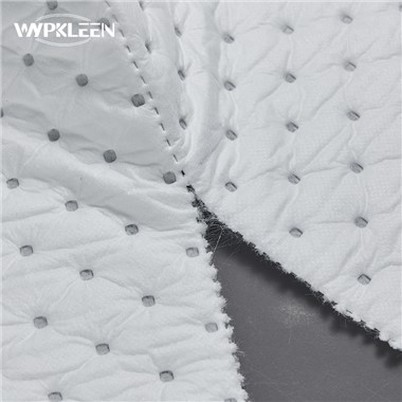
First off, what exactly is nonwoven paper fabric? It's a versatile material made from fibers that are bonded together through various processes like mechanical, thermal, or chemical means. Unlike traditional woven fabrics, nonwoven paper fabric doesn't have a regular, repeating pattern of interlaced threads. This gives it unique properties that make it suitable for a wide range of applications.
Now, let's talk about automotive interiors. The interior of a car is a complex environment. It needs to be comfortable, durable, and aesthetically pleasing. It also has to withstand a lot of wear and tear, from daily use to exposure to sunlight, heat, and various chemicals. So, can nonwoven paper fabric meet these requirements?
Advantages of Using Nonwoven Paper Fabric in Automotive Interiors
1. Comfort
One of the key factors in automotive interiors is comfort. Nonwoven paper fabric can be engineered to have a soft and plush feel, which can enhance the overall comfort of the car's interior. It can be used for seat covers, headliners, and door panels, providing a cozy and inviting atmosphere for passengers.
2. Durability
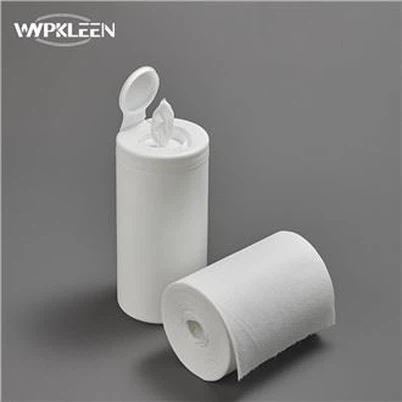
Automotive interiors need to be tough. Nonwoven paper fabric can be made with high-strength fibers that can withstand the rigors of daily use. It is resistant to abrasion, tearing, and pilling, which means it will last longer and maintain its appearance over time. For example, Spunlace Nonwoven Fabric For Wet Wipe uses a special spinning process that creates a strong and durable fabric. This same technology can be applied to automotive applications to ensure long-lasting performance.
3. Lightweight
Weight is an important consideration in the automotive industry. Lighter materials can improve fuel efficiency and reduce emissions. Nonwoven paper fabric is generally lighter than traditional woven fabrics, which can contribute to the overall weight reduction of the vehicle. This not only helps the environment but also improves the car's performance.
4. Design Flexibility
Nonwoven paper fabric offers a high degree of design flexibility. It can be easily molded into different shapes and sizes, allowing for creative and customized interior designs. It can also be printed with various patterns and colors, giving car manufacturers the freedom to create unique and eye-catching interiors. For instance, Disposable Dishwashing Cloth comes in different colors and patterns, and the same printing technology can be used to add a personal touch to automotive interiors.
5. Sound Insulation
Noise reduction is another important aspect of automotive interiors. Nonwoven paper fabric can act as an effective sound insulator, reducing the amount of external noise that enters the car. This can create a quieter and more comfortable driving experience for passengers.
Challenges and Considerations
Of course, using nonwoven paper fabric in automotive interiors also comes with some challenges.
1. Fire Resistance
Automotive interiors need to meet strict fire safety standards. Nonwoven paper fabric may need to be treated with fire retardant chemicals to ensure it meets these requirements. This can add to the cost and complexity of the manufacturing process.
2. Cleaning and Maintenance
While nonwoven paper fabric is generally easy to clean, it may require special care to maintain its appearance and performance. For example, it may be more sensitive to certain cleaning agents or abrasive materials. Car owners need to be aware of these requirements and follow the recommended cleaning procedures.
3. Cost
The cost of nonwoven paper fabric can vary depending on the quality, type, and manufacturing process. In some cases, it may be more expensive than traditional woven fabrics. However, the long-term benefits of using nonwoven paper fabric, such as improved durability and fuel efficiency, may offset the initial cost.
Applications in Automotive Interiors
Nonwoven paper fabric can be used in various parts of the automotive interior:
1. Seat Covers
As mentioned earlier, nonwoven paper fabric can provide a soft and comfortable seating surface. It can also be designed to be breathable, which helps to keep passengers cool and dry.
2. Headliners
Headliners are an important part of the car's interior, providing insulation and a finished look. Nonwoven paper fabric can be used to create lightweight and durable headliners that are easy to install and maintain.
3. Door Panels
Door panels can benefit from the design flexibility of nonwoven paper fabric. It can be used to create a seamless and stylish look, while also providing sound insulation and protection against scratches.
4. Trunk Liners
Trunk liners need to be tough and resistant to dirt and stains. Nonwoven paper fabric can be treated to have these properties, making it an ideal material for trunk liners.
Conclusion
So, can nonwoven paper fabric be used for automotive interiors? The answer is a resounding yes! With its many advantages, such as comfort, durability, lightweight, design flexibility, and sound insulation, nonwoven paper fabric has the potential to revolutionize the automotive interior industry.
Of course, there are some challenges that need to be addressed, such as fire resistance, cleaning and maintenance, and cost. But with the right technology and manufacturing processes, these challenges can be overcome.
If you're in the automotive industry and looking for a high-quality nonwoven paper fabric for your interior applications, I'd love to talk to you. We offer a wide range of nonwoven paper fabrics, including Polypropylene Woodpulp Spunlace Nonwoven, that can be customized to meet your specific requirements. Let's work together to create innovative and sustainable automotive interiors!
References
- Automotive Interior Materials Handbook, Second Edition by Peter Schierholz
- Nonwoven Fabrics: Structure, Properties, and Applications by J. F. Padfield