
Can oil spill absorbent pads be used in cold weather?
Leave a message

Hey there! As a supplier of Oil Spill Absorbent Pads, I often get asked all sorts of questions about these nifty little pads. One question that pops up quite a bit is, "Can oil spill absorbent pads be used in cold weather?" Well, let's dive right into it and find out.
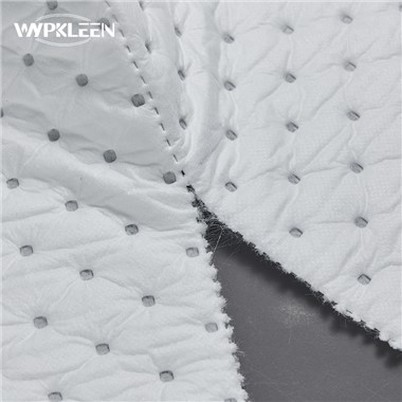
First off, let's talk about what oil spill absorbent pads are. These pads are like the superheroes of spill cleanup. They're designed to quickly soak up oil and other liquids, preventing them from spreading and causing more damage. There are different types of absorbent pads out there, like the Polypropylene Absorbent Pad, Water Absorbent Pad, and Chemical Absorbent Pad. Each type has its own unique properties and is suitable for different kinds of spills.
Now, back to the main question: Can they work in cold weather? The short answer is yes, but it's a bit more complicated than that. You see, the performance of absorbent pads can be affected by temperature. In cold weather, the viscosity of oil increases. That means it becomes thicker and flows more slowly. Think of honey in the fridge – it's much thicker and harder to pour than when it's at room temperature. When oil is thicker, it can be a bit more challenging for the absorbent pads to soak it up quickly.
But don't worry, our absorbent pads are pretty tough cookies. Most of the pads we supply are made from high - quality materials that can still perform reasonably well in cold conditions. Polypropylene, for example, is a common material used in many of our pads. It has good chemical resistance and can still absorb oil even when the temperature drops.
However, there are some things to keep in mind. The colder it gets, the slower the absorption rate might be. If you're dealing with a large oil spill in extremely cold weather, you might need to give the pads a bit more time to do their job. You could also use more pads than you would in normal temperatures to speed up the process.
Another factor to consider is the freezing point of the oil. Some oils can start to solidify in very cold weather. If the oil has solidified, the absorbent pads won't be able to absorb it in the same way. In this case, you might need to take some additional steps to warm up the oil slightly. This could be as simple as using a gentle heat source, like a low - power heat lamp, to make the oil more fluid again.
Let's talk about the different types of pads and how they fare in cold weather. The Polypropylene Absorbent Pad is great because polypropylene doesn't lose its absorbent properties easily in the cold. It can still trap oil molecules even when it's chilly outside. These pads are also lightweight and easy to handle, which is a plus when you're working in cold, potentially slippery conditions.
The Water Absorbent Pad is mainly designed to soak up water, but it can also handle some oil spills. In cold weather, if there's a mixture of water and oil, the pad can still absorb the water component. However, the oil absorption might be a bit slower due to the increased viscosity.
The Chemical Absorbent Pad is a bit more specialized. It's designed to handle a variety of chemicals, including some oils. These pads are made from materials that are resistant to chemical reactions. In cold weather, they can still perform their function, but again, the absorption rate might be affected.
When using absorbent pads in cold weather, it's also important to store them properly. If the pads are stored in a cold environment for a long time, they might become stiffer. This can make them a bit less flexible and harder to place around the spill. It's a good idea to keep the pads in a relatively warm place until you're ready to use them.
Now, you might be wondering how we test the performance of our absorbent pads in cold weather. We have a state - of - the - art testing facility where we simulate different temperature conditions. We expose the pads to various cold temperatures and measure their absorption rates and capacities. This allows us to ensure that our pads meet the highest standards, even in challenging weather conditions.
In addition to the temperature, other environmental factors can also affect the performance of the absorbent pads in cold weather. For example, if there's snow or ice around the spill area, it can make it more difficult to place the pads accurately. You might need to clear the area first to make sure the pads can come into direct contact with the oil.
Wind can also be a problem. Cold winds can make the oil spread more quickly, and it can also blow the absorbent pads around. You might need to weigh down the pads or use some kind of barrier to prevent them from being displaced.
So, in conclusion, oil spill absorbent pads can be used in cold weather, but there are some things to keep in mind. The cold can affect the absorption rate, especially if the oil becomes thicker or solidifies. But with the right type of pads, proper handling, and a bit of extra care, you can still effectively clean up oil spills in cold conditions.


If you're in the market for high - quality absorbent pads that can handle cold weather, we're here to help. Whether you need Polypropylene Absorbent Pads, Water Absorbent Pads, or Chemical Absorbent Pads, we've got you covered. We offer a wide range of products at competitive prices, and our team is always ready to answer any questions you might have. If you're interested in purchasing our absorbent pads or want to discuss your specific needs, don't hesitate to reach out. We're eager to work with you to find the best solution for your spill - cleanup requirements.
References:
- "Principles of Absorbent Materials" by Material Science Research Group
- "Cold Weather Effects on Industrial Spill Cleanup" by Environmental Science Journal