
Can sorbent products be used for cleaning up hydraulic oil spills in cold climates?
Leave a message

Can sorbent products be used for cleaning up hydraulic oil spills in cold climates?
As a supplier of sorbent products, I often get asked about the effectiveness of our offerings in various challenging environments. One question that comes up frequently is whether sorbent products can be used for cleaning up hydraulic oil spills in cold climates. In this blog post, I'll delve into this topic, exploring the science behind it and sharing insights based on our experience in the industry.
Understanding Hydraulic Oil Spills in Cold Climates
Hydraulic oil is widely used in various industries, including construction, manufacturing, and transportation. It plays a crucial role in powering hydraulic systems, which are essential for the operation of heavy machinery and equipment. However, spills can occur due to equipment failures, improper handling, or accidents. In cold climates, these spills present unique challenges.
In cold temperatures, hydraulic oil becomes more viscous, which means it thickens and flows less easily. This increased viscosity can make it more difficult for sorbent products to absorb the oil effectively. Additionally, the cold can also affect the physical properties of the sorbent materials themselves, potentially reducing their performance.
How Sorbent Products Work
Before we discuss the effectiveness of sorbent products in cold climates, it's important to understand how they work. Sorbent products are designed to attract and retain liquids through a process called adsorption. They are typically made from materials such as polypropylene, cellulose, or a combination of both.
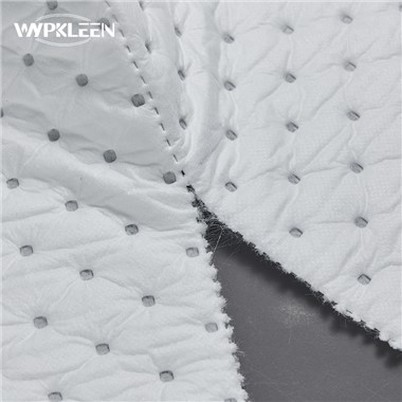
Polypropylene sorbents, like our Polypropylene Meltblown Oil Only Sorbent Socks, are hydrophobic, which means they repel water and attract oil. This makes them ideal for cleaning up oil spills, as they can selectively absorb the oil while leaving water behind. Cellulose sorbents, on the other hand, are hydrophilic and can absorb both water and oil. Our Oil Spill Absorbent Pad is an example of a cellulose-based sorbent that can be used for a variety of spill cleanup applications.
Factors Affecting Sorbent Performance in Cold Climates
Several factors can affect the performance of sorbent products in cold climates. These include:
- Viscosity of the Oil: As mentioned earlier, the viscosity of hydraulic oil increases in cold temperatures. This can make it more difficult for the sorbent to penetrate the oil and absorb it effectively.
- Temperature of the Sorbent Material: The cold can also affect the physical properties of the sorbent material itself. For example, some materials may become more brittle or less flexible in cold temperatures, which can reduce their ability to conform to the shape of the spill and absorb the oil.
- Moisture in the Environment: In cold climates, there is often a higher level of moisture in the air, which can freeze and form ice on the surface of the sorbent. This can prevent the sorbent from coming into contact with the oil and reduce its absorption capacity.
Strategies for Using Sorbent Products in Cold Climates
Despite the challenges, there are several strategies that can be employed to ensure the effective use of sorbent products in cold climates. These include:
- Preheating the Sorbent Material: One way to improve the performance of the sorbent in cold temperatures is to preheat it. This can help to make the material more flexible and increase its ability to absorb the oil. However, it's important to note that not all sorbent materials can be preheated, so it's important to check the manufacturer's instructions before attempting this.
- Using Insulated Containers: Another strategy is to use insulated containers to store the sorbent products. This can help to keep the sorbent at a more consistent temperature and prevent it from becoming too cold.
- Applying the Sorbent in Layers: Applying the sorbent in layers can also help to improve its absorption capacity. This allows the sorbent to come into contact with more of the oil and increases the surface area available for absorption.
- Using a Combination of Sorbent Materials: In some cases, using a combination of sorbent materials can be more effective than using a single type of sorbent. For example, using a polypropylene sorbent to absorb the oil and a cellulose sorbent to absorb any remaining moisture can help to achieve better results.
Case Studies
To illustrate the effectiveness of sorbent products in cold climates, let's take a look at a few case studies.
Case Study 1: Construction Site in Alaska
A construction site in Alaska experienced a hydraulic oil spill during the winter months. The spill occurred on a frozen surface, and the temperature was well below freezing. The site managers decided to use our Polypropylene Meltblown Oil Only Sorbent Socks to clean up the spill. They preheated the sorbent socks before applying them to the spill, and they also used insulated containers to store the socks. The sorbent socks were able to absorb the oil effectively, despite the cold temperatures and the frozen surface. The spill was cleaned up quickly and efficiently, minimizing the environmental impact.


Case Study 2: Manufacturing Plant in Canada
A manufacturing plant in Canada had a hydraulic oil spill in one of its production areas. The spill occurred during a cold snap, and the temperature was close to zero degrees Celsius. The plant managers used our Oil Spill Absorbent Pad to clean up the spill. They applied the pads in layers and were able to absorb the oil effectively. The pads were also able to absorb any moisture that was present in the area, preventing the formation of ice. The spill was cleaned up successfully, and the production area was back in operation within a short period of time.
Conclusion
In conclusion, sorbent products can be used for cleaning up hydraulic oil spills in cold climates, but it's important to take into account the unique challenges that these environments present. By understanding the factors that affect sorbent performance in cold temperatures and implementing the appropriate strategies, it's possible to achieve effective spill cleanup results.
At our company, we are committed to providing high-quality sorbent products that are designed to perform in a variety of challenging environments. Our products are tested and proven to be effective, and we offer a range of solutions to meet the specific needs of our customers.
If you are facing a hydraulic oil spill in a cold climate, or if you have any questions about our sorbent products, please don't hesitate to contact us. We would be happy to discuss your options and help you find the best solution for your spill cleanup needs.
References
- ASTM International. (2023). Standard Test Methods for Sorbent Performance of Adsorbent Materials. ASTM D726-15.
- EPA. (2023). Oil Spill Response: Sorbents. https://www.epa.gov/oil-spill-prevention-and-response/oil-spill-response-sorbents
- National Research Council. (2005). Oil Spill Dispersants: Efficacy and Effects. The National Academies Press.