

Can water absorbent pads be used in bathrooms?
Leave a message

Water absorbent pads are versatile products with a wide range of applications. As a supplier of water absorbent pads, I often receive inquiries about whether these pads can be used in bathrooms. In this blog post, I will explore the feasibility, benefits, and considerations of using water absorbent pads in bathrooms.
Feasibility of Using Water Absorbent Pads in Bathrooms
Bathrooms are areas where water is used frequently, and there is a high probability of water spills and splashes. Water absorbent pads are designed to quickly soak up liquids, making them a potential solution for managing the excess water in bathrooms. These pads are typically made from materials that have excellent water - absorption properties, such as cellulose or polypropylene.
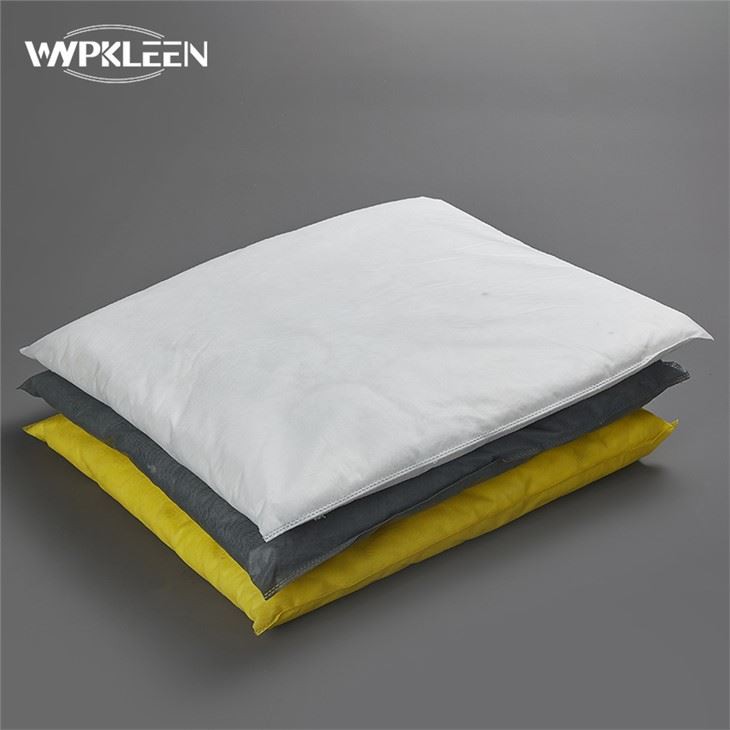
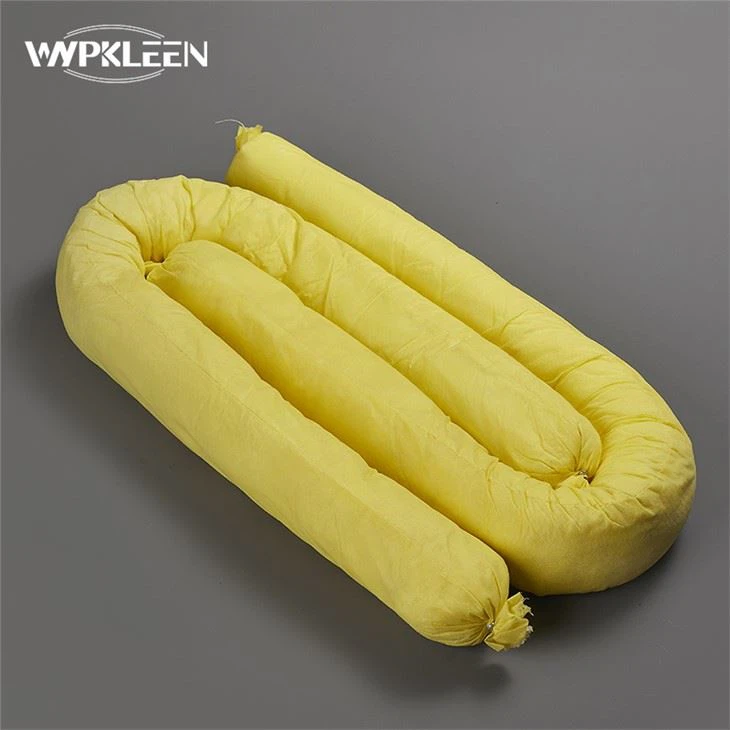
Cellulose - based water absorbent pads are known for their high absorbency and soft texture. They can absorb a large amount of water relative to their weight, which is ideal for mopping up water on bathroom floors. Polypropylene absorbent pads, on the other hand, are more durable and resistant to tearing. They can also be used to absorb not only water but also other liquids in the bathroom, such as soap suds or small amounts of cleaning agents. You can find more information about Polypropylene Absorbent Pad on our website.
Benefits of Using Water Absorbent Pads in Bathrooms
- Safety Enhancement: One of the primary benefits of using water absorbent pads in bathrooms is the improvement of safety. Wet bathroom floors are a major cause of slips and falls, which can lead to serious injuries, especially for children, the elderly, and people with mobility issues. By quickly absorbing water spills, these pads reduce the risk of slipping and create a safer environment for everyone using the bathroom.
- Hygiene Maintenance: Water left standing on bathroom floors can create a breeding ground for bacteria, mold, and mildew. These microorganisms not only cause unpleasant odors but also pose health risks. Water absorbent pads help to keep the bathroom floor dry, preventing the growth of harmful bacteria and fungi. This contributes to a cleaner and more hygienic bathroom environment.
- Convenience: Water absorbent pads are easy to use. They can be placed in strategic locations around the bathroom, such as near the shower, bathtub, or sink. When a spill occurs, simply pick up the pad and discard it or wash it if it is reusable. This eliminates the need for time - consuming mopping and reduces the effort required to keep the bathroom clean.
- Cost - Effectiveness: Compared to other methods of keeping bathroom floors dry, such as using rugs or mats, water absorbent pads can be a more cost - effective solution. Rugs need to be regularly washed and replaced, which can be expensive over time. Water absorbent pads, especially disposable ones, are relatively inexpensive and can be replaced as needed.
Considerations When Using Water Absorbent Pads in Bathrooms
- Type of Pad: Different types of water absorbent pads are suitable for different bathroom needs. For light spills and general moisture absorption, cellulose pads may be sufficient. However, if you expect to deal with more heavy - duty spills, such as large amounts of water from a shower or bathtub overflow, polypropylene pads may be a better choice. You can also consider Chemical Absorbent Pad if there is a risk of chemical spills in the bathroom, although this is less common.
- Size and Placement: The size of the water absorbent pad should be appropriate for the area where it will be used. Larger pads are suitable for larger areas, such as the floor in front of the bathtub. Place the pads in areas where water is most likely to spill, such as near the shower drain or at the entrance of the bathtub.
- Reusability vs. Disposability: Reusable water absorbent pads can be a more environmentally friendly option, but they require regular cleaning to maintain their absorbency and hygiene. Disposable pads, on the other hand, offer convenience but generate more waste. Consider your priorities and usage patterns when choosing between reusable and disposable pads.
- Compatibility with Bathroom Surfaces: Some water absorbent pads may leave residues or marks on certain bathroom surfaces, such as marble or tile. Before using a new pad, test it on a small, inconspicuous area of the floor to ensure that it does not cause any damage or discoloration.
Special Applications in the Bathroom
In addition to general water absorption on the floor, water absorbent pads can also be used in other ways in the bathroom. For example, Medical Absorbent Pad can be used in a bathroom setting for first - aid purposes. If there is a minor cut or injury in the bathroom, these pads can be used to absorb blood quickly.
Water absorbent pads can also be placed inside bathroom cabinets to absorb moisture and prevent damage to stored items, such as towels, toiletries, and medications. By keeping the interior of the cabinets dry, the pads help to extend the lifespan of these items and prevent the growth of mold.
Conclusion
In conclusion, water absorbent pads can indeed be used in bathrooms, offering numerous benefits in terms of safety, hygiene, convenience, and cost - effectiveness. However, it is important to consider factors such as the type of pad, size, reusability, and compatibility with bathroom surfaces. By choosing the right water absorbent pads and using them correctly, you can effectively manage water spills in the bathroom and create a safer and more comfortable environment.
If you are interested in purchasing water absorbent pads for your bathroom or other applications, please feel free to contact us. Our team of experts is ready to assist you in selecting the most suitable products for your needs. We offer a wide range of high - quality water absorbent pads at competitive prices.
References
- "Absorbent Materials and Their Applications" by John Smith, published in the Journal of Materials Science, 2020.
- "Safety in the Bathroom: Preventing Slips and Falls" by Jane Doe, available from the National Safety Council, 2019.
- "Hygiene in the Bathroom: Controlling Bacteria and Mold Growth" by Robert Johnson, published in the Journal of Hygiene and Sanitation, 2021.


