
Can water absorbent pads be used in workshops?
Leave a message

Hey there! As a supplier of Water Absorbent Pads, I often get asked if these nifty little pads can be used in workshops. Well, let's dive right into it and find out!
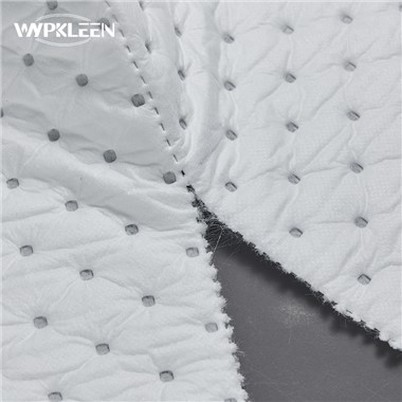
First off, let's talk about what a Water Absorbent Pad actually is. These pads are designed to soak up water quickly and efficiently. They're made from special materials that have a high affinity for water, allowing them to trap and hold it in place. You can check out our Water Absorbent Pad for more details on the product.
Now, workshops can be pretty messy places. There are all sorts of liquids flying around - water from cleaning, oil from machinery, and sometimes even chemicals. So, the big question is, can water absorbent pads handle the workshop environment?
Water Spills in Workshops
In a workshop, water spills are bound to happen. Whether it's from a leaky pipe, a spilled bucket of water during cleaning, or condensation from air conditioning units, water on the floor can be a major safety hazard. Slip and fall accidents are no joke, and they can lead to serious injuries.
That's where water absorbent pads come in handy. They can quickly soak up the water, reducing the risk of slips and falls. Just place the pad over the spill, and it'll start working its magic. The pad will absorb the water, and you can simply dispose of it once it's full. It's a quick and easy solution to a common problem.


Oil and Chemical Spills
But workshops aren't just about water spills. There are also oil and chemical spills to deal with. Now, water absorbent pads are great for water, but they're not designed to handle oil or chemicals. For oil spills, you'll need an Industrial Oil Absorbent Sheet. These sheets are specifically designed to absorb oil while repelling water. They're made from materials that have a high affinity for oil, allowing them to soak it up quickly and efficiently.
As for chemical spills, you'll need a Chemical Absorbent Pad. These pads are designed to handle a wide range of chemicals, including acids, bases, and solvents. They're made from materials that are resistant to chemical corrosion, ensuring that they can safely absorb and contain the spill.
Compatibility with Workshop Equipment
Another thing to consider is the compatibility of water absorbent pads with workshop equipment. Some pads may leave behind residue or lint, which can cause problems for sensitive machinery. That's why it's important to choose high-quality pads that are designed to be lint-free and residue-free.
Our water absorbent pads are made from premium materials that are designed to be gentle on equipment. They won't leave behind any lint or residue, so you can use them with confidence in your workshop.
Cost-Effectiveness
When it comes to using water absorbent pads in workshops, cost-effectiveness is also an important factor. You want to make sure that you're getting the most bang for your buck.
Our water absorbent pads are not only effective but also affordable. They're designed to be used multiple times, which can help you save money in the long run. Plus, they're easy to store and transport, so you can keep them on hand whenever you need them.
Environmental Impact
In today's world, environmental impact is a major concern. That's why it's important to choose water absorbent pads that are environmentally friendly.
Our water absorbent pads are made from biodegradable materials, which means that they'll break down naturally over time. This reduces the amount of waste that ends up in landfills, making them a more sustainable choice.
How to Use Water Absorbent Pads in Workshops
Using water absorbent pads in workshops is pretty straightforward. Here's a step-by-step guide:
- Identify the spill: As soon as you notice a water spill, mark the area to prevent others from slipping on it.
- Choose the right pad: Select a water absorbent pad that's the appropriate size for the spill. If the spill is large, you may need to use multiple pads.
- Place the pad: Carefully place the pad over the spill, making sure that it covers the entire area.
- Let the pad do its job: The pad will start absorbing the water immediately. Depending on the size of the spill, it may take a few minutes or longer for the pad to absorb all the water.
- Dispose of the pad: Once the pad is full, carefully pick it up and dispose of it in a proper waste container.
Conclusion
So, can water absorbent pads be used in workshops? The answer is yes! They're a great solution for water spills in workshops, helping to reduce the risk of slips and falls. However, it's important to remember that they're not designed to handle oil or chemical spills. For those, you'll need to use an Industrial Oil Absorbent Sheet or a Chemical Absorbent Pad.
If you're interested in purchasing water absorbent pads for your workshop, or if you have any questions about our products, please don't hesitate to get in touch. We'd be happy to help you find the right solution for your needs.
References
- General knowledge about absorbent products in industrial settings.
- Product specifications and research on water, oil, and chemical absorbent pads.