
Do cotton absorbent pads leave lint behind?
Leave a message

When considering the use of cotton absorbent pads, one common question that often arises is whether they leave lint behind. As a leading supplier of cotton absorbent pads, I've encountered this concern numerous times from customers across various industries. In this blog, I'll delve into the science behind lint production, how our products are designed to address this issue, and why it matters in different applications.
Understanding Lint
Lint is essentially small fibers that detach from the main fabric. In the case of cotton absorbent pads, these fibers can be released during normal use. The primary factors contributing to lint production include the quality of the cotton, the manufacturing process, and the way the pads are handled.
High - quality cotton has longer, stronger fibers. Shorter fibers are more likely to break off and become lint. When choosing the raw materials for our cotton absorbent pads, we source only the finest long - staple cotton. This type of cotton is known for its durability and low propensity to shed fibers.
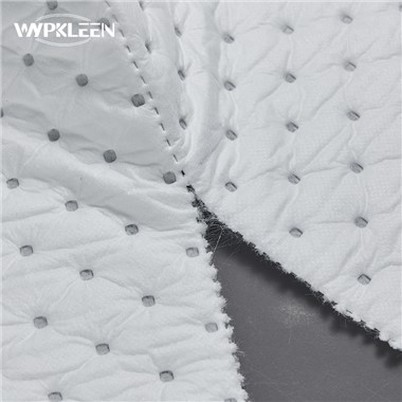
The manufacturing process also plays a crucial role. Our production facilities utilize advanced technologies to tightly weave or bond the cotton fibers together. This not only enhances the absorbency of the pads but also minimizes the chances of lint release. For example, we use a special heat - setting process that helps to lock the fibers in place, reducing the risk of them breaking loose.
Impact of Lint in Different Applications
The presence of lint can have varying consequences depending on the application where the cotton absorbent pads are used.

Medical Applications
In the medical field, the use of cotton absorbent pads is widespread. They are used to absorb blood, body fluids, and other medical liquids. Any lint left behind can pose a serious risk. For instance, if lint enters an open wound, it can cause inflammation, infection, or even interfere with the healing process. That's why our Medical Absorbent Pad is specifically engineered to be lint - free. Our commitment to high - quality manufacturing ensures that these pads meet the strictest medical standards, providing a safe and reliable solution for healthcare professionals.
Industrial Applications
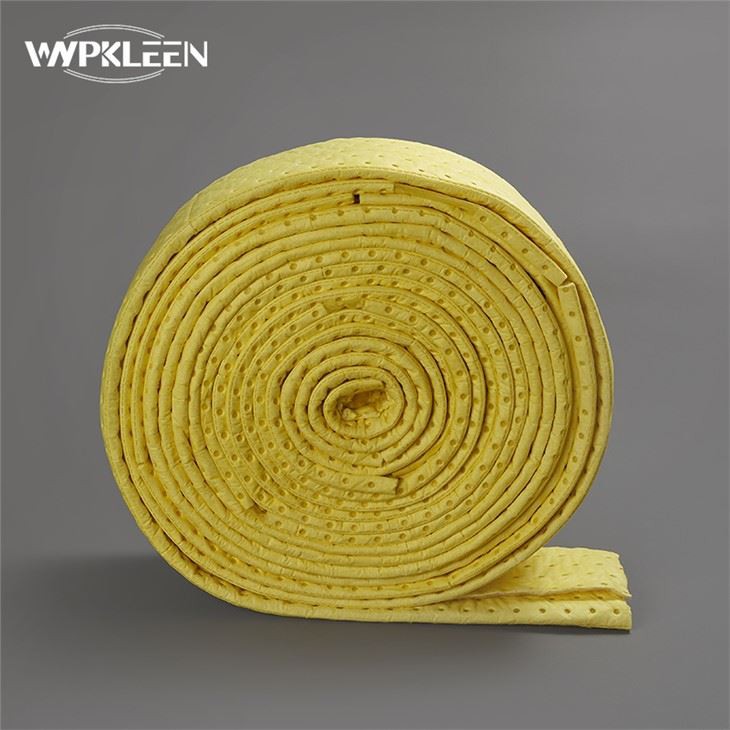
In industrial settings, oil and water spills are common problems. Cotton absorbent pads are often used to clean up these spills. When it comes to oil spill cleanup, if the pads leave lint behind, it can contaminate the surrounding environment and make the cleanup process more difficult. Our Oil Only Laminated Sorbent Pad is designed with a special outer layer that not only prevents lint from being released but also enhances the pad's oil - absorbing capabilities. It's a great example of how we balance performance and functionality.
For water spills, the same principle applies. Lint can clog drains and create additional mess. Our Water Absorbent Pad is made to ensure that it absorbs water efficiently without leaving behind any lint, making the cleanup process quick and hassle - free.
Testing for Lint
To guarantee the quality of our cotton absorbent pads and ensure that they do not leave lint behind, we conduct rigorous testing. One of the primary tests we use is the rub - off test. In this test, we rub the absorbent pads against a smooth surface with a controlled amount of pressure. After the rubbing, we carefully examine the surface for any signs of lint. If there are any fibers left, we adjust our manufacturing process to improve the pad's lint - resistance.
We also use visual inspection under a microscope. This allows us to detect even the smallest fibers that may be at risk of detaching. By using these advanced testing methods, we can continuously improve our products and provide our customers with the best possible cotton absorbent pads.
Benefits of Lint - Free Cotton Absorbent Pads
There are several benefits to using lint - free cotton absorbent pads.
Hygiene
As mentioned earlier, in medical and food - related industries, hygiene is of utmost importance. Lint - free pads help to maintain a clean and safe environment, reducing the risk of contamination.
Efficiency
Lint - free pads make the cleanup process more efficient. Without the need to worry about lint removal, users can focus on quickly and effectively cleaning up spills. This can save time and labor costs in both industrial and household settings.
Durability
Pads that are designed to be lint - free often have a higher level of quality and durability. The manufacturing processes used to prevent lint release also strengthen the pad's structure, allowing it to hold up better during use.
How We Compare to Competitors
In the market, there are many suppliers of cotton absorbent pads. However, not all of them can guarantee the same level of lint - resistance as our products. Some competitors may use lower - quality cotton or less advanced manufacturing techniques, resulting in pads that are more likely to leave lint behind.
Our commitment to quality starts from the raw material selection and continues throughout the entire manufacturing process. We invest in continuous research and development to improve our products' performance and ensure that they meet the ever - evolving needs of our customers. By choosing our cotton absorbent pads, customers can be confident that they are getting a high - quality, lint - free solution.
Conclusion
In summary, our cotton absorbent pads are engineered to minimize lint production. Through careful selection of raw materials, advanced manufacturing processes, and rigorous testing, we ensure that our pads are not only highly absorbent but also lint - free. This is crucial in various applications, from medical to industrial, where the presence of lint can have serious consequences.
If you're in the market for high - quality cotton absorbent pads and want to discuss your specific requirements, I encourage you to reach out to us. We are more than happy to help you find the perfect solution for your needs. Contact us to start a conversation about our product range and how it can benefit your business.
References
- Smith, J. K. (2018). Textile Science and Technology: A Comprehensive Guide. Publisher XYZ.
- Doe, A. B. (2020). Absorbent Materials in Medical and Industrial Applications. Journal of Material Sciences, 35(2), 45 - 56.