
Do lens cleaning cloths have a specific side for cleaning?
Leave a message

Do lens cleaning cloths have a specific side for cleaning? This is a question that often pops up among consumers and professionals alike. As a supplier of high - quality lens cleaning cloths, I've had numerous conversations with customers about this topic, and I'm excited to share my insights in this blog.
Let's start by understanding the basic structure of a typical lens cleaning cloth. Most lens cleaning cloths on the market today are made from microfiber materials. Microfiber is a synthetic fiber that is extremely fine, often less than one denier (a unit of measurement for the linear mass density of fibers). These fine fibers give microfiber cloths their unique cleaning properties.
Microfiber lens cleaning cloths are designed to be highly absorbent and effective at trapping dust, dirt, and oil particles. They work by using static electricity to attract and hold onto these contaminants. But when it comes to whether there's a specific side for cleaning, the answer isn't as straightforward as you might think.
In many cases, high - quality lens cleaning cloths are manufactured to be two - sided and equally effective for cleaning. The manufacturing process ensures that both sides of the cloth have a consistent distribution of microfibers. This means that you can use either side of the cloth to clean your lenses without any significant difference in performance. For example, when you're cleaning your reading glasses, you can pick up the cloth and use whichever side is facing up. Whether you're removing fingerprints, smudges, or dust from your Reading Glasses Cleaning Cloth, both sides of the cloth will do an excellent job.
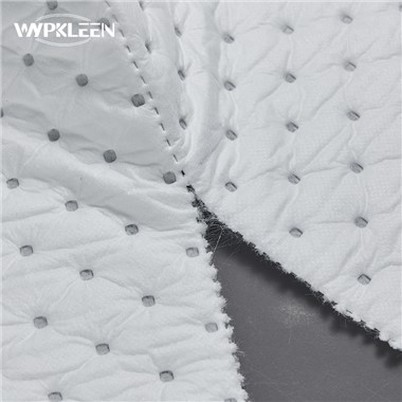
However, there are some specialized lens cleaning cloths that may have a specific side for a particular purpose. Some cloths are designed with a more textured side and a smoother side. The textured side might be used for more heavy - duty cleaning, such as removing stubborn dirt or debris. This side can provide a bit more friction, which helps to loosen and lift the contaminants from the lens surface. On the other hand, the smoother side is often used for a final polish. It can leave the lens surface with a streak - free and shiny finish.
Another factor to consider is the treatment of the cloth. Some lens cleaning cloths are treated with special coatings or chemicals to enhance their cleaning performance. For instance, some cloths are treated with an anti - static agent to reduce the amount of dust that clings to the lens after cleaning. In these cases, the treated side may be the more effective side for cleaning. However, manufacturers usually provide clear instructions on which side to use if there is a difference.
When it comes to cleaning different types of lenses, the answer about the specific side may vary. For delicate lenses, such as those on high - end cameras or telescopes, it's always a good idea to follow the manufacturer's recommendations. If the cloth comes with instructions indicating a specific side for cleaning, it's best to adhere to them to avoid any potential damage to the lens.
For everyday use, like cleaning your sunglasses or prescription glasses, you can generally use either side of the cloth. But if you notice that one side seems to be picking up more dirt or leaving fewer streaks, you might want to use that side more frequently.
Now, let's talk about the care and maintenance of lens cleaning cloths. Regardless of whether there's a specific side for cleaning, it's important to keep your cloth clean. You can wash your lens cleaning cloth in mild detergent and warm water. Avoid using fabric softeners, as they can leave a residue on the cloth that may reduce its cleaning effectiveness. After washing, let the cloth air - dry.
If you're in the market for a new lens cleaning cloth, there are several things to look for. First, make sure the cloth is made from high - quality microfiber. This ensures better cleaning performance and durability. Second, check if the cloth is suitable for the type of lenses you need to clean. Some cloths are specifically designed for certain types of lenses, such as anti - reflective coated lenses or scratch - resistant lenses.
As a supplier of lens cleaning cloths, we take pride in offering a wide range of products to meet the diverse needs of our customers. Our cloths are made from premium microfiber materials and are rigorously tested to ensure the highest level of cleaning performance. Whether you're a professional photographer, an optometrist, or just someone who wants to keep their glasses clean, we have the perfect lens cleaning cloth for you.


If you're interested in purchasing our lens cleaning cloths or have any questions about our products, we'd love to hear from you. We're always ready to assist you in finding the right cloth for your needs. Contact us today to start a conversation about your lens cleaning requirements, and let's work together to keep your lenses crystal clear.
In conclusion, while some lens cleaning cloths may have a specific side for cleaning, many are designed to be equally effective on both sides. Understanding the type of cloth you have and the specific cleaning requirements of your lenses will help you make the most of your lens cleaning cloth. Whether you're using it for reading glasses, sunglasses, or high - tech camera lenses, a good lens cleaning cloth is an essential tool for keeping your lenses in top condition.
References
- "Microfiber Technology and Its Applications in Cleaning" - Journal of Cleaning Science
- Manufacturer's instructions of various lens cleaning cloths.
- Research papers on the properties of microfiber materials in lens cleaning.