

Does depilatory paper pull out hair from the root?
Leave a message

Depilatory paper is a popular hair removal option known for its simplicity and convenience. As a depilatory paper supplier, I often encounter the question: Does depilatory paper pull out hair from the root? In this blog, we'll delve into the science behind hair removal with depilatory paper, examine its effectiveness, and explore its benefits and limitations.
How Depilatory Paper Works
Depilatory paper typically consists of a thin, flexible sheet coated with a sticky substance. When applied to the skin and then quickly pulled off in the opposite direction of hair growth, the sticky surface adheres to the hair shafts. The force exerted during the pulling action aims to uproot the hair from the follicles.
The key to the effectiveness of depilatory paper lies in its ability to grip the hair firmly enough to overcome the anchoring force of the follicle. This process is similar to waxing, another method of hair removal that also targets the hair root. However, unlike waxing, which uses a warm, melted wax to envelop the hair, depilatory paper relies on a pre - applied adhesive.
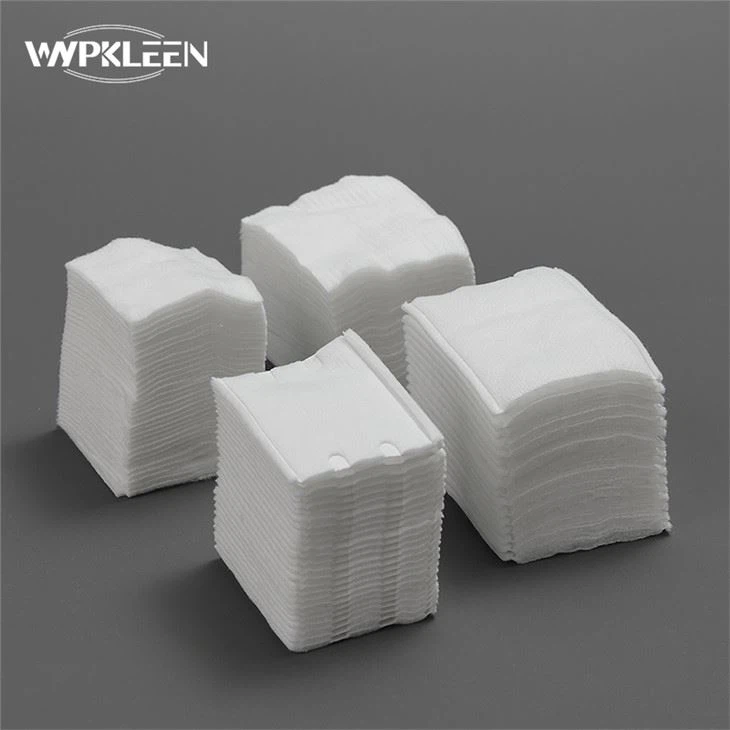

Can Depilatory Paper Pull Hair from the Root?
The short answer is yes, depilatory paper can pull hair from the root. When used correctly, the adhesive on the depilatory paper can grip the hair tightly. As the paper is pulled off, it creates enough tension to dislodge the hair from the follicle. However, several factors can influence whether the hair is completely removed from the root:
Hair Type
Different hair types have varying degrees of thickness, texture, and strength. Coarse, thick hair is generally easier to grip and pull out from the root compared to fine, thin hair. Fine hair may break off at the surface rather than being fully uprooted, as the adhesive may not have enough hold on the slender hair shafts.
Hair Growth Cycle
Hair grows in different cycles: anagen (growth phase), catagen (transition phase), and telogen (resting phase). Hair in the anagen phase is firmly attached to the follicle and is more likely to be pulled out from the root. Hair in the telogen phase, on the other hand, is already on the verge of falling out and may come out more easily. When using depilatory paper, not all hairs on the body will be in the same growth phase, which means that some hairs may be removed from the root while others may break off.
Application Technique
The way the depilatory paper is applied and removed is crucial. It should be pressed firmly onto the skin to ensure good contact between the adhesive and the hair. When pulling the paper off, it should be done quickly and at a low angle parallel to the skin. A slow or improper pulling motion can cause the hair to break rather than be removed from the root.
Benefits of Using Depilatory Paper
Long - Lasting Results
Since depilatory paper can remove hair from the root, the results tend to last longer compared to shaving. Shaving only cuts the hair at the surface, and the hair regrows quickly. With depilatory paper, it can take several weeks for the hair to grow back, as the follicle needs time to produce a new hair shaft.
Convenience
Depilatory paper is easy to use and can be done at home without the need for professional assistance. It comes in pre - cut sheets, making it portable and suitable for use on different parts of the body, such as the legs, arms, and bikini area.
Cost - Effective
Compared to some other hair removal methods like laser hair removal or professional waxing services, depilatory paper is relatively inexpensive. It offers an affordable option for regular hair removal.
Limitations of Depilatory Paper
Pain
Pulling hair out from the root can be painful, especially for those with sensitive skin. The pain level can vary depending on the individual's pain tolerance and the area of the body being treated. Areas with thinner skin, such as the bikini line, may be more sensitive.
Skin Irritation
The adhesive on the depilatory paper can cause skin irritation, redness, and itching, especially in people with sensitive skin. This is due to the pulling action and the contact between the adhesive and the skin. To minimize irritation, it's important to follow the instructions carefully and perform a patch test on a small area of skin before using the depilatory paper on a larger area.
Incomplete Hair Removal
As mentioned earlier, not all hairs may be removed from the root, especially fine or short hairs. This can result in a patchy appearance and may require repeated applications to achieve smooth skin.
Choosing the Right Depilatory Paper
When selecting depilatory paper, it's important to consider the quality of the adhesive. A good adhesive should have strong grip without being overly sticky, which can make it difficult to remove from the skin. Look for depilatory paper that is made from high - quality materials and is designed for your specific hair type and skin sensitivity.
If you're interested in high - quality Non Woven Hair Removal Paper, our company offers a wide range of options. Our depilatory paper is made from non - woven materials that are gentle on the skin while providing excellent hair - gripping power.
Conclusion
Depilatory paper can pull hair from the root, but its effectiveness depends on various factors such as hair type, growth cycle, and application technique. While it offers long - lasting results and convenience, it also has some limitations, including pain and potential skin irritation. As a depilatory paper supplier, we strive to provide products that meet the needs of our customers. Whether you're looking for a cost - effective hair removal solution or want to try a new method at home, depilatory paper can be a viable option.
If you're interested in purchasing our depilatory paper or have any questions about our products, please feel free to contact us for a procurement discussion. We're here to help you find the best hair removal solution for your needs.
References
- "The Science of Hair Growth" by R. M. Hill, Journal of Dermatology, 2018
- "Hair Removal Methods: A Comparative Analysis" by S. L. Patel, Cosmetic Science Review, 2020
- "Skin Reactions to Hair Removal Techniques" by J. K. Thompson, Journal of Cutaneous Medicine and Surgery, 2019


