
How do I measure the absorption capacity of a sorbent product?
Leave a message

Hey there! I'm a supplier of sorbent products, and today I wanna talk about how I measure the absorption capacity of a sorbent product. It's a crucial aspect of ensuring that our products meet the needs of our customers, whether they're dealing with oil spills or other liquid messes.
Why Measuring Absorption Capacity Matters
First off, let's talk about why it's so important to measure the absorption capacity of sorbent products. When you're dealing with an oil spill or a chemical leak, you need a sorbent that can soak up as much of the liquid as possible. A sorbent with low absorption capacity might not be able to handle the volume of liquid, leaving you with a messy and potentially dangerous situation.
On the other hand, a sorbent with high absorption capacity can quickly and effectively clean up the spill, minimizing the environmental impact and reducing the risk of contamination. By measuring the absorption capacity of our sorbent products, we can ensure that they meet the highest standards of quality and performance.
Methods for Measuring Absorption Capacity
There are several methods for measuring the absorption capacity of a sorbent product, and each method has its own advantages and disadvantages. Here are some of the most common methods that I use:
Gravimetric Method
The gravimetric method is one of the most straightforward ways to measure the absorption capacity of a sorbent product. In this method, you simply weigh the sorbent before and after it has been exposed to the liquid. The difference in weight between the two measurements represents the amount of liquid that the sorbent has absorbed.
To perform the gravimetric method, you'll need a scale that can measure small weights accurately. You'll also need to make sure that the sorbent is completely dry before you start the experiment. Once you have the sorbent weighed, you can immerse it in the liquid for a specified period of time. After the immersion, you'll need to remove the sorbent from the liquid and allow it to drain for a few minutes. Finally, you'll weigh the sorbent again to determine the amount of liquid that it has absorbed.
One of the advantages of the gravimetric method is that it's relatively simple and inexpensive to perform. However, it can be time-consuming, especially if you're testing multiple samples. Additionally, the results of the gravimetric method can be affected by factors such as the type of liquid, the temperature, and the duration of the immersion.
Volume Displacement Method
The volume displacement method is another common way to measure the absorption capacity of a sorbent product. In this method, you measure the volume of liquid that is displaced by the sorbent when it is immersed in the liquid. The volume of the displaced liquid represents the amount of liquid that the sorbent has absorbed.
To perform the volume displacement method, you'll need a graduated cylinder or a similar container that can measure the volume of liquid accurately. You'll also need to make sure that the sorbent is completely dry before you start the experiment. Once you have the sorbent weighed, you can immerse it in the liquid in the graduated cylinder. The level of the liquid in the cylinder will rise as the sorbent absorbs the liquid. You can then measure the volume of the displaced liquid by subtracting the initial volume of the liquid from the final volume.
One of the advantages of the volume displacement method is that it's relatively quick and easy to perform. However, it can be less accurate than the gravimetric method, especially if the sorbent is not completely saturated with the liquid. Additionally, the results of the volume displacement method can be affected by factors such as the type of liquid, the temperature, and the shape of the sorbent.
Centrifugation Method
The centrifugation method is a more advanced way to measure the absorption capacity of a sorbent product. In this method, you use a centrifuge to separate the liquid from the sorbent after it has been immersed in the liquid. The amount of liquid that is separated from the sorbent represents the amount of liquid that the sorbent has absorbed.
To perform the centrifugation method, you'll need a centrifuge that can spin the sorbent at a high speed. You'll also need to make sure that the sorbent is completely dry before you start the experiment. Once you have the sorbent weighed, you can immerse it in the liquid for a specified period of time. After the immersion, you'll need to remove the sorbent from the liquid and place it in a centrifuge tube. You'll then spin the centrifuge tube at a high speed for a few minutes to separate the liquid from the sorbent. Finally, you'll weigh the sorbent again to determine the amount of liquid that it has absorbed.
One of the advantages of the centrifugation method is that it's very accurate and can provide detailed information about the absorption capacity of the sorbent. However, it can be expensive and time-consuming to perform, especially if you're testing multiple samples. Additionally, the results of the centrifugation method can be affected by factors such as the type of liquid, the temperature, and the duration of the centrifugation.
Factors Affecting Absorption Capacity
In addition to the measurement method, there are several factors that can affect the absorption capacity of a sorbent product. Here are some of the most important factors that I consider when testing our sorbent products:
Type of Liquid
The type of liquid that the sorbent is designed to absorb can have a significant impact on its absorption capacity. Different liquids have different properties, such as viscosity, surface tension, and density, which can affect how easily the sorbent can absorb them. For example, a sorbent that is designed to absorb oil may not be as effective at absorbing water, and vice versa.
Temperature
The temperature of the liquid can also affect the absorption capacity of a sorbent product. In general, sorbents tend to absorb more liquid at higher temperatures than at lower temperatures. This is because the viscosity of the liquid decreases as the temperature increases, making it easier for the sorbent to absorb the liquid.
Duration of Immersion
The duration of the immersion can also affect the absorption capacity of a sorbent product. In general, sorbents tend to absorb more liquid the longer they are immersed in the liquid. However, there is a limit to how much liquid a sorbent can absorb, and after a certain point, the absorption rate will start to decrease.
Sorbent Material
The type of sorbent material can also have a significant impact on its absorption capacity. Different sorbent materials have different properties, such as porosity, surface area, and chemical composition, which can affect how easily the sorbent can absorb the liquid. For example, a sorbent made from polypropylene may be more effective at absorbing oil than a sorbent made from cellulose.
Our Sorbent Products
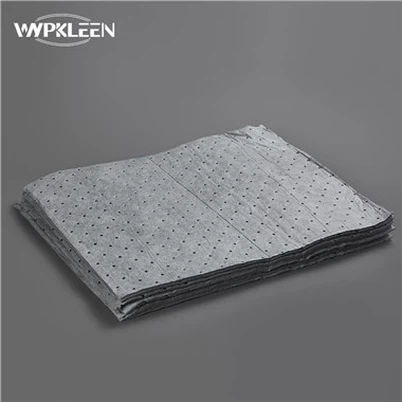
At our company, we offer a wide range of sorbent products that are designed to meet the needs of our customers. Our Oil Spill Absorbent Pad is a highly effective product that is designed to absorb oil and other hydrocarbons. It's made from a high-quality polypropylene material that is both strong and absorbent. Our Polypropylene Meltblown Oil Only Sorbent Socks are another popular product that is designed to contain and absorb oil spills. They're made from a meltblown polypropylene material that is highly effective at absorbing oil and other hydrocarbons.


Conclusion
Measuring the absorption capacity of a sorbent product is a crucial aspect of ensuring that it meets the needs of our customers. By using a combination of different measurement methods and considering the factors that can affect absorption capacity, we can ensure that our sorbent products are of the highest quality and performance. If you're interested in learning more about our sorbent products or have any questions about absorption capacity, please don't hesitate to contact us. We'd be happy to help you find the right sorbent product for your needs.
References
- ASTM International. (20XX). Standard Test Methods for Determining Liquid Absorption Capacity of Sorbent Materials.
- Environmental Protection Agency. (20XX). Oil Spill Response: Sorbent Materials and Technologies.