
How do water absorbent pads compare to desiccants?
Leave a message

Hey there! As a supplier of water absorbent pads, I've often been asked how these pads stack up against desiccants. So, I thought I'd take a deep dive into this topic and share my insights.
First off, let's talk about what water absorbent pads and desiccants are. Water absorbent pads are designed to soak up liquids, mainly water, and hold them within their structure. They come in different materials and sizes, and are used in a variety of settings, from food packaging to industrial spills. On the other hand, desiccants are substances that absorb moisture from the air. They're commonly used to keep products dry and prevent mold, mildew, and corrosion.
Absorption Mechanism
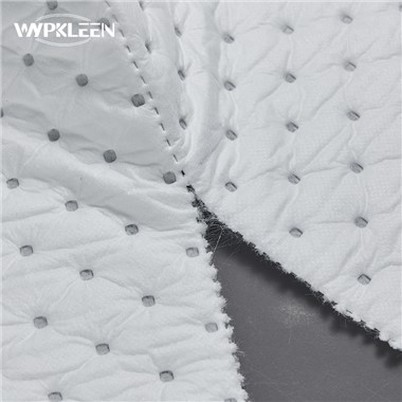
One of the key differences between water absorbent pads and desiccants lies in their absorption mechanism. Water absorbent pads work through a physical process called capillary action. The pad's material has tiny pores that draw in the liquid like a sponge. This makes them great for dealing with visible water, like spills on a countertop or excess moisture in a container.
Desiccants, however, use a chemical or physical adsorption process. They attract water molecules from the surrounding air and hold them on their surface or within their structure. Silica gel, a common desiccant, has a high surface area that can trap a large amount of water vapor. This makes desiccants ideal for maintaining a dry environment in enclosed spaces, such as storage containers or electronic devices.
Absorption Capacity
When it comes to absorption capacity, it really depends on the specific product and the conditions. Water absorbent pads are typically designed to absorb a large volume of liquid quickly. For example, our Polypropylene Absorbent Pad can absorb up to 20 times its weight in water. This makes them very effective for dealing with large spills or high-moisture situations.
Desiccants, on the other hand, are more focused on absorbing moisture from the air. Their absorption capacity is usually measured in terms of the amount of water vapor they can hold relative to their own weight. For instance, silica gel can absorb up to 40% of its weight in water vapor. While this might seem like a small amount compared to water absorbent pads, it's sufficient to keep a small, enclosed space dry.
Speed of Absorption
The speed of absorption is another important factor to consider. Water absorbent pads can soak up liquid almost instantly. When you place a pad on a spill, it starts working right away, and within minutes, the liquid is absorbed. This makes them very useful in emergency situations where you need to clean up a spill quickly.
Desiccants, however, work more slowly. They need time to attract and trap water molecules from the air. Depending on the size of the space and the humidity level, it can take several hours or even days for a desiccant to reach its maximum absorption capacity. So, if you need to dry out an area quickly, water absorbent pads are the way to go.
Reusability
Reusability is also a factor that can influence your choice between water absorbent pads and desiccants. Some water absorbent pads can be reused if they're properly cleaned and dried. For example, our Cotton Absorbent Pad can be washed and reused multiple times, which makes them a cost-effective option in the long run.
Desiccants can also be reused in some cases. Silica gel, for example, can be regenerated by heating it to drive off the absorbed water. Once it's dry, it can be used again. However, not all desiccants are reusable, so it's important to check the product specifications.
Application Areas
The application areas for water absorbent pads and desiccants are quite different. Water absorbent pads are commonly used in industries such as food and beverage, pharmaceuticals, and manufacturing. In the food industry, they're used to absorb excess moisture in packaging to prevent spoilage. In manufacturing, they're used to clean up spills and maintain a safe working environment.
Desiccants, on the other hand, are widely used in the electronics, pharmaceutical, and storage industries. In electronics, they're used to prevent moisture damage to sensitive components. In the pharmaceutical industry, they're used to keep medications dry and stable. And in storage, they're used to protect goods from mold and mildew.
Cost
Cost is always a consideration when choosing between different products. Water absorbent pads are generally more affordable than desiccants, especially if you're dealing with large volumes of liquid. They're also often sold in bulk, which can further reduce the cost per unit.
Desiccants, on the other hand, can be more expensive, especially if you need a high-quality product with a high absorption capacity. However, in some cases, the cost of using a desiccant may be justified by the protection it provides to valuable products.
Environmental Impact
Finally, let's talk about the environmental impact of water absorbent pads and desiccants. Water absorbent pads made from natural materials, such as cotton, are biodegradable and have a relatively low environmental impact. However, pads made from synthetic materials, such as polypropylene, may not be biodegradable and can contribute to landfill waste.
Desiccants also vary in their environmental impact. Silica gel is non-toxic and can be recycled in some cases. However, other desiccants, such as calcium chloride, can be harmful to the environment if not disposed of properly.


So, which is better - water absorbent pads or desiccants? Well, it really depends on your specific needs. If you're dealing with visible water or large spills, water absorbent pads are the way to go. They're fast, effective, and affordable. On the other hand, if you need to maintain a dry environment in an enclosed space, desiccants are a better choice. They're great for preventing moisture damage and protecting valuable products.
As a supplier of water absorbent pads, I'm always happy to help you find the right product for your needs. Whether you're looking for a Polypropylene Absorbent Pad for industrial spills or a Cotton Absorbent Pad for food packaging, we've got you covered. And if you're not sure which product is right for you, just give us a shout, and we'll be happy to assist you.
If you're interested in purchasing our water absorbent pads, or if you have any questions about our products, please don't hesitate to reach out. We're here to help you find the best solution for your moisture management needs.
References
- "Absorbent Materials: Types and Applications" - Journal of Materials Science
- "Desiccants: Properties and Uses" - Handbook of Chemical Engineering