
How does a Chemical Absorbent Pad work?
Leave a message

Chemical absorbent pads are essential tools in various industries, designed to quickly and efficiently soak up spills of liquids, including chemicals, oils, and water. As a supplier of these pads, I often get asked about how they work. In this blog post, I'll delve into the science behind chemical absorbent pads, explaining their composition, mechanisms of action, and the different types available.
Composition of Chemical Absorbent Pads
Chemical absorbent pads are typically made from a variety of materials, each chosen for its specific absorbent properties. The most common materials used in these pads include polypropylene, cellulose, and superabsorbent polymers.
Polypropylene is a synthetic polymer that is widely used in absorbent pads due to its high chemical resistance and hydrophobic nature. This means that it repels water while attracting and absorbing oils and other non - polar liquids. Polypropylene absorbent pads are lightweight, strong, and can be used in a wide range of industrial applications. Polypropylene Absorbent Pad
Cellulose, on the other hand, is a natural material derived from wood pulp. It is highly absorbent and can soak up large amounts of water and aqueous solutions. Cellulose absorbent pads are often used in applications where water or other polar liquids need to be absorbed, such as in food processing plants or in cleaning up water spills. Water Absorbent Pad
Superabsorbent polymers are another important component in some absorbent pads. These polymers can absorb and retain many times their own weight in liquid, making them ideal for use in applications where large volumes of liquid need to be contained. They are commonly used in medical absorbent pads to soak up bodily fluids. Medical Absorbent Pad
Mechanisms of Action
The way a chemical absorbent pad works depends on the type of material it is made from and the nature of the liquid it is designed to absorb. There are two main mechanisms of absorption: physical absorption and chemical absorption.
Physical Absorption
Physical absorption is the most common mechanism used in chemical absorbent pads. It involves the capillary action of the pad's material. Capillary action is the ability of a liquid to flow in narrow spaces without the assistance of, or even in opposition to, external forces like gravity.
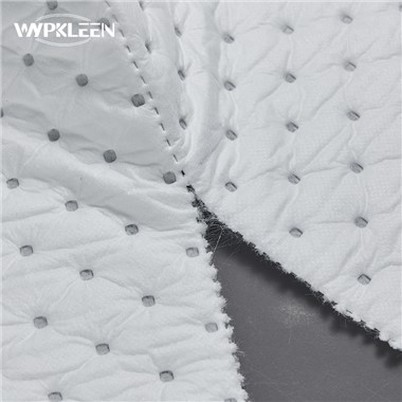
In a polypropylene absorbent pad, for example, the fine fibers of the polypropylene create a network of small pores. When the pad comes into contact with an oil spill, the oil is drawn into these pores by capillary action. The hydrophobic nature of the polypropylene ensures that water is not absorbed, allowing the pad to selectively soak up the oil.
Cellulose absorbent pads work in a similar way. The cellulose fibers have a high surface area and are able to hold water molecules through hydrogen bonding. When the pad is placed in contact with a water spill, the water is drawn into the pad by capillary action and is held within the structure of the cellulose fibers.
Chemical Absorption
Chemical absorption involves a chemical reaction between the absorbent material and the liquid being absorbed. This mechanism is less common in general - purpose absorbent pads but is used in some specialized applications.
For example, some absorbent pads are designed to neutralize acidic or basic chemicals. These pads contain chemicals that react with the acid or base to form a neutral salt, which is then absorbed by the pad. This not only absorbs the liquid but also helps to prevent further damage from the corrosive chemical.
Different Types of Chemical Absorbent Pads and Their Applications
There are several different types of chemical absorbent pads available, each designed for specific applications.
Universal Absorbent Pads
Universal absorbent pads are designed to absorb a wide range of liquids, including oils, water, and some chemicals. These pads are typically made from a combination of polypropylene and cellulose fibers, allowing them to absorb both non - polar and polar liquids. They are commonly used in industrial settings such as manufacturing plants, automotive workshops, and warehouses to clean up spills of various types.

Oil - Only Absorbent Pads
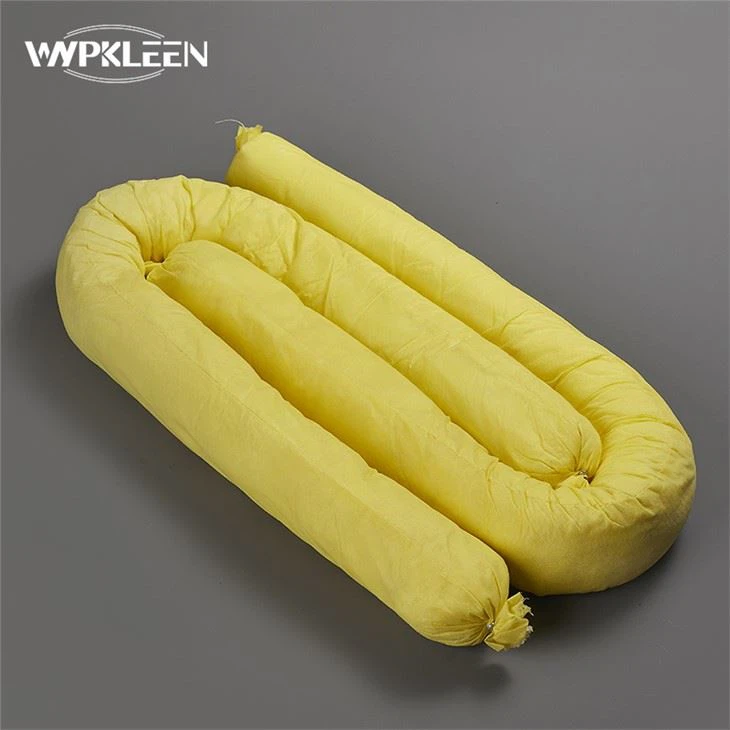
Oil - only absorbent pads are made from hydrophobic materials such as polypropylene. They are designed to selectively absorb oils and other non - polar liquids while repelling water. These pads are ideal for use in oil refineries, marine environments, and other areas where oil spills are a concern.
Water - Only Absorbent Pads
Water - only absorbent pads are made from hydrophilic materials such as cellulose. They are designed to absorb water and aqueous solutions while repelling oils and other non - polar liquids. These pads are commonly used in food processing plants, laboratories, and other areas where water spills need to be cleaned up quickly.
Hazardous Chemical Absorbent Pads
Hazardous chemical absorbent pads are designed to absorb and neutralize hazardous chemicals. These pads are made from materials that are resistant to the corrosive effects of the chemicals and may contain chemicals that react with the hazardous substance to neutralize it. They are used in chemical manufacturing plants, laboratories, and other areas where the handling of hazardous chemicals is common.
Advantages of Using Chemical Absorbent Pads
There are several advantages to using chemical absorbent pads in industrial and commercial settings.
Quick and Efficient Spill Cleanup
Chemical absorbent pads can quickly soak up spills, preventing the liquid from spreading and causing further damage. This helps to minimize downtime and reduce the risk of accidents in the workplace.
Cost - Effective
Absorbent pads are relatively inexpensive compared to other spill - cleanup methods. They are also disposable, which means that there is no need for costly cleaning and maintenance.
Versatility
As mentioned earlier, there are different types of absorbent pads available for different types of liquids. This makes them a versatile solution for a wide range of spill - cleanup applications.
Environmental Friendliness
Many absorbent pads are made from recyclable materials, which helps to reduce the environmental impact of spill cleanup. Additionally, by quickly containing spills, absorbent pads can prevent pollutants from entering the environment.
Contact for Procurement
If you are in need of high - quality chemical absorbent pads for your business, we are here to help. Our company offers a wide range of absorbent pads, including Polypropylene Absorbent Pad, Water Absorbent Pad, and Medical Absorbent Pad. We can provide customized solutions to meet your specific requirements.
Feel free to reach out to us to discuss your procurement needs. Our team of experts is ready to assist you in choosing the right absorbent pads for your application and ensuring a smooth purchasing process.
References
- “Principles of Absorption and Adsorption” by Perry's Chemical Engineers' Handbook.
- “Absorbent Materials and Their Applications” in the Journal of Industrial and Engineering Chemistry.
- Manufacturer's technical documentation on chemical absorbent pads.