
How does airlaid tissue paper compare in terms of softness to cotton?
Leave a message

Hey there! As a supplier of airlaid tissue paper, I often get asked how it stacks up against cotton when it comes to softness. So, I thought I'd dive into this topic and share my insights with you.
First off, let's talk a bit about airlaid tissue paper. Airlaid technology is pretty cool. It involves forming a web of fibers by using air currents. This process allows for a unique structure that gives airlaid tissue paper some great properties. You can check out more about Nonwoven Airlaid Paper on our website.
Now, cotton is a classic when it comes to soft materials. It's been used for ages in all sorts of products, from clothing to bedding. It has a natural softness that many people love. But how does airlaid tissue paper compare?
Softness Factors
One of the key factors in softness is the feel on the skin. Cotton has a smooth and gentle texture. It's made up of natural fibers that are relatively long and flexible. When you touch cotton, it kind of caresses your skin, and it doesn't cause any irritation for most people.
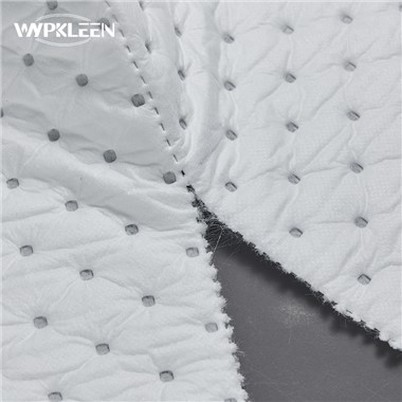
Airlaid tissue paper, on the other hand, can also be incredibly soft. The fibers in airlaid paper are typically shorter than those in cotton, but they are arranged in a way that creates a plush and cushiony feel. The manufacturing process allows for a high degree of control over the density and texture of the paper. This means that we can customize the softness of our Airlaid Paper Wipe to meet different customer needs.
Another aspect of softness is absorbency. Cotton is known for its absorbent properties. It can soak up a fair amount of liquid without feeling heavy or soggy. Airlaid tissue paper is also highly absorbent. In fact, it can often absorb more liquid per unit weight than cotton. This is because the airlaid structure creates a lot of tiny pores and channels that can hold liquid. And when it comes to softness, a more absorbent material can feel better on the skin because it doesn't leave a wet or sticky residue.
Comfort in Use
When it comes to using these materials in everyday products, comfort is a big deal. For example, if you're using a wipe or a tissue, you want it to be comfortable to hold and use. Cotton wipes are soft and flexible, but they can sometimes be a bit thick and bulky. This might not be ideal for some applications, like when you need a thin and lightweight wipe.
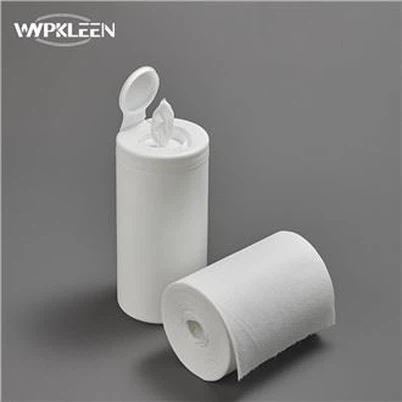
Airlaid tissue paper is often thinner and more lightweight than cotton. Our Multipurpose Paper Wipe Roll is a great example of this. It's easy to handle and can be used in a variety of situations. The softness of the airlaid paper makes it comfortable to use, whether you're cleaning your face, wiping up a spill, or using it for personal hygiene.
Durability and Softness
Durability is also related to softness in a way. A material that falls apart easily isn't going to feel very soft or comfortable. Cotton is generally quite durable. It can withstand a fair amount of wear and tear without losing its softness. However, it can also shrink or lose its shape over time, especially if it's washed frequently.
Airlaid tissue paper can be designed to be very durable. We use high - quality fibers and advanced manufacturing techniques to ensure that our airlaid products maintain their softness and integrity even after repeated use. For example, our airlaid wipes are strong enough to be used for tough cleaning jobs, but they still feel soft on the skin.
Cost - Effectiveness and Softness
Cost is always a consideration when choosing a material. Cotton can be relatively expensive, especially if it's high - quality cotton. The cost of growing, harvesting, and processing cotton adds up.
Airlaid tissue paper is often more cost - effective. The manufacturing process is more efficient, and we can use a variety of fibers to create a soft and functional product at a lower cost. This means that you can get a soft and high - quality product without breaking the bank.
Environmental Considerations
In today's world, environmental impact is also important. Cotton is a natural fiber, which is a plus. However, it requires a lot of water and pesticides to grow. This can have a significant impact on the environment.
Airlaid tissue paper can be made from a variety of sustainable fibers, such as recycled paper and cellulose. This makes it a more environmentally friendly option. And even though it's made from different materials, it still offers the same level of softness as cotton.


Conclusion
So, how does airlaid tissue paper compare to cotton in terms of softness? Well, it's a close call. Both materials have their own unique softness characteristics. Cotton has a natural and classic softness that many people are familiar with. But airlaid tissue paper offers a lot of advantages. It can be customized for different levels of softness, it's highly absorbent, lightweight, durable, cost - effective, and environmentally friendly.
If you're in the market for a soft and functional material for your products, I encourage you to consider our airlaid tissue paper. Whether you need wipes, tissues, or other paper products, we can provide you with high - quality solutions. If you're interested in learning more or discussing a potential purchase, don't hesitate to reach out. We'd love to have a chat and see how we can meet your needs.
References
- "The Science of Softness in Textiles", Textile Research Journal
- "Airlaid Technology: A Review", Journal of Nonwoven Fabrics
- "Cotton Production and its Environmental Impact", Environmental Science & Policy