
How long does it take for an oil absorbent sheet to absorb oil?
Leave a message

Hey there! As a supplier of oil absorbent sheets, I often get asked this question: "How long does it take for an oil absorbent sheet to absorb oil?" Well, let's dive right into it.
First off, it's important to understand that the time it takes for an oil absorbent sheet to soak up oil isn't set in stone. There are a bunch of factors that come into play, and we'll break them down one by one.
The Type of Oil
Different oils have different viscosities. Viscosity is basically how thick or thin a fluid is. For example, motor oil is thicker than cooking oil. Thicker oils like heavy - duty industrial lubricants are more resistant to flow, so it takes longer for the absorbent sheet to pull them in. On the other hand, lighter oils such as kerosene can be absorbed relatively quickly.
Let's say you've got a spill of light machine oil. A good quality oil absorbent sheet might start showing signs of absorption within seconds. In just a couple of minutes, it can soak up a significant amount of the oil. But if you're dealing with a thick, high - viscosity gear oil, it could take 10 - 15 minutes or even longer for the sheet to fully absorb the spill.
The Quantity of Oil
This one's a no - brainer. The more oil there is, the longer it'll take to absorb. If you've got just a few drops of oil on a surface, an absorbent sheet can mop it up in a matter of seconds. You can just lay the sheet over the spill, and it'll do its job almost instantly.
However, if you're looking at a large - scale oil spill, like what you might see in an industrial setting where a drum has leaked, it's a whole different ballgame. In such cases, you'll need multiple absorbent sheets, and the process can take hours. You might have to keep adding fresh sheets as the existing ones get saturated to speed up the absorption.
The Quality of the Absorbent Sheet
Not all oil absorbent sheets are created equal. High - quality sheets are designed with better materials and construction, which allows them to absorb oil faster. They have a larger surface area and better capillary action, which is the ability to draw the oil into the sheet.
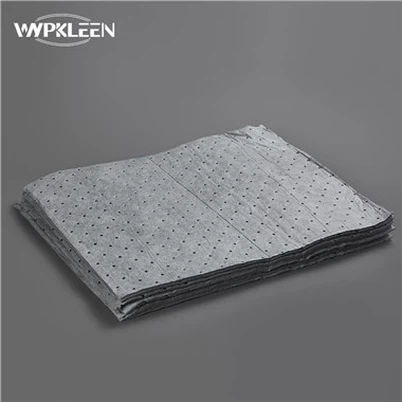
For instance, our Oil Only Laminated Sorbent Pad is made with a special laminate that enhances its oil - absorbing capabilities. It can absorb oil much quicker compared to some of the cheaper, lower - quality pads on the market.
The Surface Area of the Spill
A large, spread - out oil spill will take longer to absorb than a concentrated one. When the oil is spread thinly over a large area, the absorbent sheet has to cover more ground. You might need to use multiple sheets or move the sheet around the spill area to ensure full absorption.


Let's take a look at a real - world example. Suppose you have an oil spill on a factory floor. If the oil has pooled in one small area, it'll be easier and quicker to clean up. But if the oil has spread across a large section of the floor, you'll have to work systematically to cover the entire area with absorbent sheets.
The Temperature
Temperature can also affect the absorption time. In general, oil becomes less viscous at higher temperatures. This means that it flows more easily, and the absorbent sheet can soak it up faster.
For example, if you have an oil spill in a hot warehouse during the summer, the absorption process will be quicker compared to a cold winter day. In cold temperatures, the oil thickens, and it can take significantly longer for the absorbent sheet to do its job.
Now, let's talk about some of the different types of absorbent sheets we offer and how they perform.
Cotton Absorbent Pad
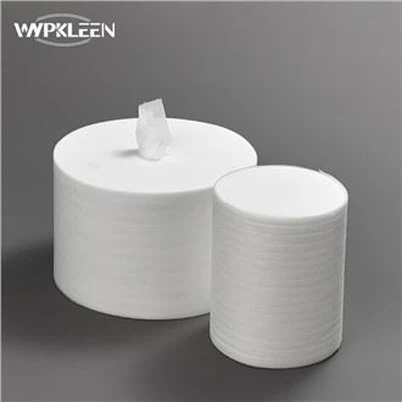
Our Cotton Absorbent Pad is a great option for a variety of oil spills. Cotton is a natural material that has good absorbency. It's especially useful for smaller spills and in environments where you need a more eco - friendly option.
These pads can absorb oil relatively quickly, especially when dealing with lighter oils. They're also soft, which makes them easy to handle and place on the spill area. For a small oil spill in a home garage, a cotton absorbent pad can clean up the mess in just a few minutes.
Medical Absorbent Pad
The Medical Absorbent Pad is designed with high - quality materials to ensure fast and efficient absorption. It's often used in medical facilities where spills of oils or other fluids need to be cleaned up quickly to maintain a clean and safe environment.
These pads are engineered to have a high absorption rate. They can absorb small to medium - sized oil spills in a matter of minutes. Their construction allows them to hold a large amount of fluid without leaking, which is crucial in a medical setting.
The Oil Only Laminated Sorbent Pad
As mentioned earlier, this pad is top - notch when it comes to oil absorption. The laminate helps to direct the oil into the pad, and it can absorb oil at a rapid pace. It's great for industrial settings where large - scale oil spills are a common occurrence.
Whether it's a light oil or a thick lubricant, the Oil Only Laminated Sorbent Pad can start absorbing the oil almost immediately. For a medium - sized industrial oil spill, it can significantly reduce the cleanup time compared to other types of pads.
In conclusion, the time it takes for an oil absorbent sheet to absorb oil can vary widely depending on the factors we've discussed. If you're in an industry where oil spills are a concern, it's important to choose the right absorbent sheet for the job.
If you're interested in learning more about our oil absorbent sheets or are looking to make a purchase, don't hesitate to reach out. We can help you find the best solution for your specific needs. Whether it's a small - scale home use or a large - scale industrial application, we've got you covered.
References
- "Principles of Oil Absorption in Absorbent Materials" - Journal of Environmental Science and Technology
- "Factors Affecting the Absorption Rate of Oil by Absorbent Sheets" - Industrial Cleaning and Maintenance Research
So, get in touch with us today to start discussing your oil absorbent needs!