
How long does it take for oil spill absorbent pads to biodegrade?
Leave a message

As a supplier of Oil Spill Absorbent Pads, I often get asked about the biodegradability of these essential products. In this blog post, I'll delve into the factors that influence how long it takes for oil spill absorbent pads to biodegrade and what you need to know as a consumer or industry professional.
Understanding Biodegradability
Biodegradability refers to the ability of a material to be broken down by living organisms, such as bacteria, fungi, and other microorganisms, into simpler substances like water, carbon dioxide, and biomass. This natural process is crucial for reducing the environmental impact of waste materials. When it comes to oil spill absorbent pads, biodegradability is an important consideration, especially in environmentally sensitive areas.


Types of Oil Spill Absorbent Pads and Their Biodegradability
There are several types of oil spill absorbent pads available in the market, each with different materials and properties. Let's take a closer look at some common types and their biodegradability:
Natural Fiber Absorbent Pads
These pads are typically made from natural materials such as cellulose (wood pulp), cotton, or other plant fibers. Natural fiber absorbent pads are highly biodegradable because they are composed of organic matter that microorganisms can easily break down. In a natural environment, such as soil or water with the presence of appropriate microbes, these pads can start to degrade within a few weeks to a few months. The exact time frame depends on various factors, including temperature, moisture, and the availability of oxygen.
Synthetic Absorbent Pads
Synthetic absorbent pads are made from materials like polypropylene, polyethylene, or other man - made polymers. These materials are more resistant to biodegradation compared to natural fibers. Polypropylene, for example, is a widely used material in oil spill absorbent pads due to its high oil absorption capacity and chemical resistance. However, it can take a very long time for polypropylene pads to biodegrade, often hundreds of years in a natural environment. Some advanced synthetic pads are designed to be more environmentally friendly and may have additives or treatments that enhance their biodegradability, but even then, the degradation process is much slower than that of natural fiber pads.
Industrial Oil Absorbent Sheet
Industrial oil absorbent sheets are a type of absorbent product commonly used in industrial settings to clean up oil spills. The biodegradability of these sheets depends on their composition. If they are made from natural fibers, they will biodegrade relatively quickly. But if they are made from synthetic materials, the degradation time will be significantly longer. These sheets are designed to be highly efficient in absorbing oil, and their durability may also contribute to a slower biodegradation rate in some cases.
Chemical Absorbent Pad
Chemical absorbent pads are used to absorb a wide range of chemicals, including oils, solvents, and acids. Similar to other types of absorbent pads, their biodegradability is determined by the materials they are made of. Natural fiber - based chemical absorbent pads will biodegrade faster, while synthetic ones will take much longer. Additionally, the chemicals absorbed by these pads can also affect the biodegradation process. Some chemicals may inhibit the growth of microorganisms, further delaying the degradation of the pad.
Oil Only Laminated Sorbent Pad
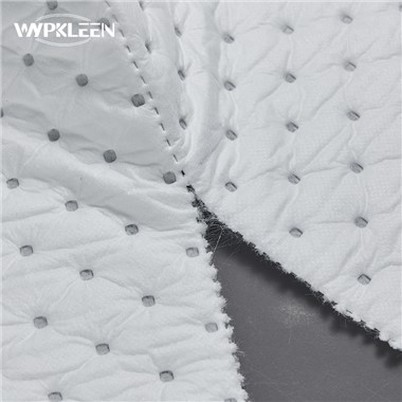
Oil only laminated sorbent pads are designed to selectively absorb oil while repelling water. These pads often have a laminated structure, which can add to their complexity and potentially affect their biodegradability. If the lamination is made from synthetic materials, it may slow down the overall degradation process. The core absorbent material, whether natural or synthetic, will also play a major role in determining how long it takes for the pad to biodegrade.
Factors Affecting Biodegradation Time
Environmental Conditions
- Temperature: Microbial activity is highly influenced by temperature. Warmer temperatures generally accelerate the biodegradation process because they provide a more favorable environment for microorganisms to grow and multiply. In cold environments, such as polar regions or deep - sea areas, the degradation of oil spill absorbent pads can be extremely slow or even halted.
- Moisture: Adequate moisture is essential for the survival and activity of microorganisms. In dry conditions, the biodegradation process will be significantly slowed down. On the other hand, excessive moisture can also be a problem if it leads to anaerobic conditions (lack of oxygen), which may alter the types of microorganisms involved and the rate of degradation.
- Oxygen Availability: Most biodegradation processes require oxygen. Aerobic microorganisms are more efficient at breaking down organic materials compared to anaerobic ones. In environments with limited oxygen, such as waterlogged soils or deep - sea sediments, the degradation of oil spill absorbent pads will be slower.
Pad Composition and Structure
- Material Type: As mentioned earlier, natural materials biodegrade faster than synthetic ones. The purity of the material also matters. For example, a natural fiber pad with minimal chemical additives will biodegrade more quickly than one with a lot of chemical treatments.
- Thickness and Density: Thicker and denser pads may take longer to biodegrade because it takes more time for microorganisms to penetrate and break down the entire structure. A thin, porous pad will have a larger surface area exposed to microorganisms, allowing for a faster degradation process.
Presence of Contaminants
If the oil spill absorbent pads are contaminated with other substances, such as heavy metals, pesticides, or persistent organic pollutants, the biodegradation process can be inhibited. These contaminants can be toxic to microorganisms, reducing their activity and slowing down the breakdown of the pad.
Importance of Biodegradability in Oil Spill Cleanup
In today's environmentally conscious world, the biodegradability of oil spill absorbent pads is an important consideration. Using biodegradable pads can help reduce the long - term environmental impact of oil spills. In areas where the ecosystem is sensitive, such as wetlands, estuaries, or marine protected areas, biodegradable pads are preferred because they will not leave behind long - lasting waste. Additionally, biodegradable pads can be more easily disposed of in an environmentally friendly manner, such as composting in some cases.
Making the Right Choice
When choosing oil spill absorbent pads, it's important to balance the need for high - performance absorption with environmental considerations. If you are dealing with a small oil spill in an environmentally sensitive area, natural fiber absorbent pads may be the best choice. However, in industrial settings where durability and chemical resistance are crucial, synthetic pads may be more appropriate.
As a supplier of oil spill absorbent pads, I can offer a wide range of products to meet your specific needs. Whether you need Industrial Oil Absorbent Sheet, Chemical Absorbent Pad, or Oil Only Laminated Sorbent Pad, I can provide you with detailed information about their biodegradability and performance.
If you are interested in purchasing oil spill absorbent pads or have any questions about our products, please feel free to contact us. We are committed to providing high - quality, reliable absorbent solutions that meet your environmental and operational requirements.
References
- "Biodegradation of Polymers in the Environment" by Albertsson, A. C., & Karlsson, S. (1997).
- "Environmental fate and effects of oil spill cleanup materials" by the National Research Council.