
How to choose the right medical absorbent pad?
Leave a message

Hey there! As a supplier of Medical Absorbent Pads, I've seen firsthand how crucial it is to pick the right one. Whether you're a healthcare professional, a caregiver, or just someone looking for reliable absorbent pads for personal use, making the right choice can make a huge difference. So, let's dive into how you can choose the right medical absorbent pad.
Understanding Your Needs
First things first, you gotta figure out what you need the pad for. Are you dealing with light or heavy fluid leakage? Is it for urine, blood, or other bodily fluids? Knowing this will help you narrow down your options.
For light leakage, a thinner and more discreet pad might be all you need. These are great for everyday use and can be worn comfortably under clothing. On the other hand, if you're dealing with heavy fluid loss, you'll need a pad with high absorbency. These pads are usually thicker and have more layers to handle the extra volume.
Absorbency Level
Absorbency is one of the most important factors to consider when choosing a medical absorbent pad. You want a pad that can hold a sufficient amount of fluid without leaking. Most pads will have a rating or description indicating their absorbency level.
Look for pads that are labeled as "ultra absorbent" or "heavy duty" if you need a high level of protection. These pads are designed to handle large amounts of fluid and keep you dry for longer periods. If you only need light protection, a "regular" or "light" absorbent pad should do the trick.
Material
The material of the pad can also affect its performance and comfort. There are several types of materials used in medical absorbent pads, each with its own pros and cons.
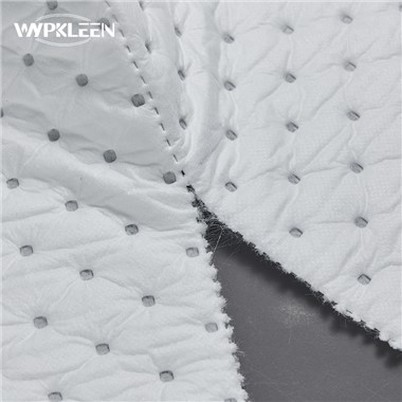
- Polypropylene Absorbent Pad: Polypropylene is a synthetic material that is known for its high absorbency and durability. Polypropylene Absorbent Pad are often used in medical settings because they can quickly absorb and lock in fluids. They are also resistant to bacteria and fungi, which makes them a good choice for preventing infections.
- Cotton Absorbent Pad: Cotton is a natural material that is soft and gentle on the skin. Cotton Absorbent Pad are a popular choice for people with sensitive skin because they are less likely to cause irritation. However, cotton pads may not be as absorbent as synthetic pads, so they may need to be changed more frequently.
- Blended Materials: Some pads are made from a blend of different materials to combine the benefits of each. For example, a pad might have a polypropylene top layer for quick absorption and a cotton bottom layer for comfort. These blended pads can offer a good balance of absorbency and comfort.
Size and Shape
The size and shape of the pad are also important considerations. You want a pad that fits properly and provides adequate coverage.
- Size: Pads come in a variety of sizes, from small liners to large bed pads. Make sure to choose a pad that is the right size for your needs. If you're using the pad for incontinence, you'll want a pad that is wide enough to prevent leakage and long enough to provide full coverage.
- Shape: Some pads are shaped to fit the body's contours, which can help prevent leakage and provide a more comfortable fit. Look for pads that are designed to fit the shape of your body, such as contoured pads or pads with wings.
Comfort and Breathability
Comfort is key when it comes to using medical absorbent pads. You want a pad that feels comfortable against your skin and doesn't cause any irritation or discomfort.
Look for pads that have a soft, breathable top layer. This will help keep your skin dry and prevent moisture from building up, which can lead to skin problems. Some pads also have a moisture-wicking layer that helps draw moisture away from the skin and keep you feeling dry.
Adhesive and Fastening
If you're using a pad that needs to be attached to your underwear or clothing, make sure it has a strong adhesive or fastening system. You don't want the pad to shift or move around, which can cause leakage.
Look for pads that have a secure adhesive backing or adjustable straps. This will help keep the pad in place and provide a more comfortable and reliable fit.
Cost
Cost is always a factor when making a purchase. Medical absorbent pads can vary in price depending on their brand, size, absorbency level, and other features.
While it's important to find a pad that fits your budget, don't sacrifice quality for price. A cheap pad may not provide adequate protection or comfort, which can lead to more problems in the long run. Look for a pad that offers a good balance of quality and affordability.
Brand Reputation
Finally, consider the brand reputation when choosing a medical absorbent pad. Look for brands that are well-known and trusted in the industry. You can read reviews and testimonials from other users to get an idea of the quality and performance of different brands.
A reputable brand is more likely to offer high-quality products that meet your needs and provide reliable protection. They may also offer better customer service and support if you have any questions or concerns.
Conclusion
Choosing the right medical absorbent pad can be a challenge, but by considering your needs, absorbency level, material, size and shape, comfort and breathability, adhesive and fastening, cost, and brand reputation, you can find a pad that works for you.
As a supplier of Medical Absorbent Pad, I'm here to help you make the right choice. If you have any questions or need more information, please don't hesitate to contact me. I'd be happy to assist you with your purchase and help you find the perfect pad for your needs.
References
- "Medical Absorbent Pads: A Comprehensive Guide." Healthline.
- "How to Choose the Right Incontinence Pad." Mayo Clinic.
- "Absorbent Materials for Medical Applications." Journal of Biomedical Materials Research.