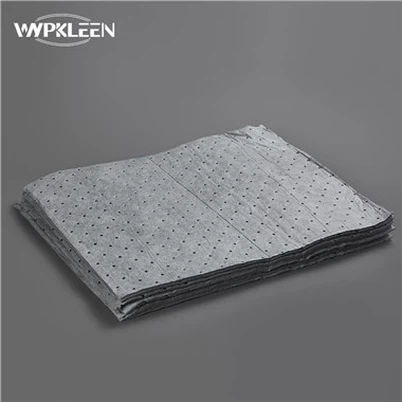

How to ensure the long - term performance of Chemical Absorbent Pads?
Leave a message

Hey there! As a supplier of Chemical Absorbent Pads, I've seen firsthand how crucial it is to ensure their long - term performance. These pads are super handy in a whole bunch of industries, from factories to medical facilities. So, let's dig into how we can keep them working great over time.
1. Storage Conditions
One of the first things to think about is how you store your Chemical Absorbent Pads. You know, these pads are made of special materials that can be affected by the environment. If you store them in a place that's too humid, they can absorb moisture from the air. This not only makes them heavier but can also mess up their ability to absorb chemicals later on.
Ideally, you should keep them in a dry and cool area. A warehouse with proper ventilation is perfect. Make sure the temperature stays between 10°C and 30°C. Extreme temperatures can also be a no - no. If it's too hot, the materials in the pads might break down faster. And if it's too cold, they can become brittle.
I once had a customer who stored their pads in a shed that got really hot during the summer. When they went to use them a few months later, the pads were less effective. They didn't absorb as much oil as they used to. So, proper storage is a must - do!
2. Handling with Care
How you handle these pads also plays a big role in their long - term performance. When you're moving them around, be gentle. Rough handling can damage the fibers in the pads. For example, if you drop a stack of pads from a height, some of the fibers might break. And once those fibers are broken, the pads won't be able to trap chemicals as well.
When you're using the pads, don't tug or pull on them too hard. Just lay them down gently on the spill. If you're dealing with a large spill, you can use multiple pads side by side. And make sure you're using the right type of pad for the job. We have different kinds, like the Industrial Oil Absorbent Sheet for industrial oil spills and the Medical Absorbent Pad for medical waste. Using the wrong pad can not only reduce its effectiveness but also waste your money.
3. Regular Inspections
Regular inspections are key to catching any issues early. Check your pads every few months. Look for signs of damage, like tears or holes. If you find a damaged pad, it's better to replace it right away. A small tear can turn into a big problem over time, especially if you're dealing with a hazardous chemical spill.

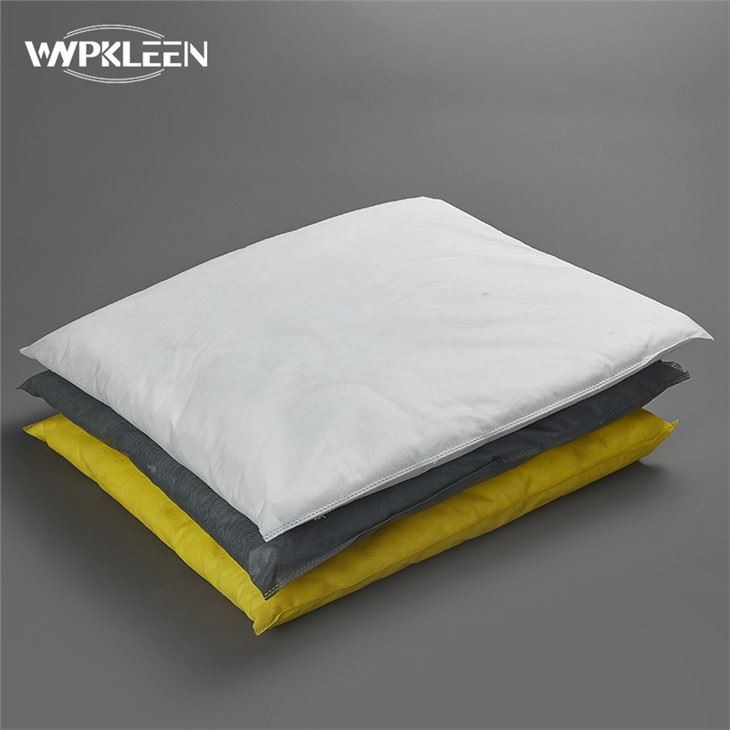
You should also check for any signs of contamination. If a pad has been exposed to a chemical that it's not designed to handle, it might not work as well in the future. For instance, if an oil - only pad gets exposed to a solvent, its ability to absorb oil can be reduced.
During an inspection, you can also check the color of the pads. Some pads change color when they're saturated or contaminated. This can give you a quick idea of their condition.
4. Follow Manufacturer's Guidelines
We always provide guidelines on how to use and store our Chemical Absorbent Pads. These guidelines are based on a lot of research and testing. So, it's really important to follow them.
For example, we might recommend a certain way to fold or unfold the pads for maximum absorption. Or we might tell you how long the pads can be stored before they start to lose their effectiveness. Ignoring these guidelines can lead to problems down the road.
I've had customers who didn't follow our storage recommendations and then complained that the pads didn't work well. But when I asked them about how they stored the pads, it was clear that they hadn't followed our advice. So, take the time to read and follow those guidelines.
5. Training for Users
If you have multiple people using the Chemical Absorbent Pads in your facility, make sure they're properly trained. Training can help them understand how to use the pads correctly and how to take care of them.
During the training, you can teach them about the different types of pads and when to use each one. You can also show them how to handle the pads gently and how to store them properly. A well - trained user is more likely to use the pads in a way that maximizes their long - term performance.
For example, if an employee doesn't know how to properly place the pads on a spill, they might not get the best absorption. And if they don't know how to store the pads, they could accidentally damage them. So, invest in some training for your staff.
6. Quality of the Pads
Of course, the quality of the pads you buy in the first place matters a lot. As a supplier, we make sure our pads are made from high - quality materials. The fibers are strong and durable, which means they can withstand normal wear and tear.
We also test our pads rigorously to make sure they meet certain standards. For example, we test their absorption capacity and their resistance to chemicals. When you buy high - quality pads, you're more likely to get long - term performance.
Our Oil Only Laminated Sorbent Pad is a great example of a high - quality product. It's designed to absorb oil quickly and efficiently, and it's built to last.
Conclusion
Ensuring the long - term performance of Chemical Absorbent Pads is all about taking a few simple steps. From proper storage and handling to regular inspections and following guidelines, every little thing counts.
If you're looking for high - quality Chemical Absorbent Pads that are built to last, we're here to help. We offer a wide range of pads to meet your specific needs. Whether you're dealing with industrial oil spills or medical waste, we've got the right pad for you.
If you're interested in learning more or want to place an order, feel free to reach out. We're always happy to answer your questions and help you find the best solution for your situation. Let's work together to keep your facilities clean and safe!
References
- Industry standards for chemical absorbent pads
- In - house research and testing data on pad performance and durability