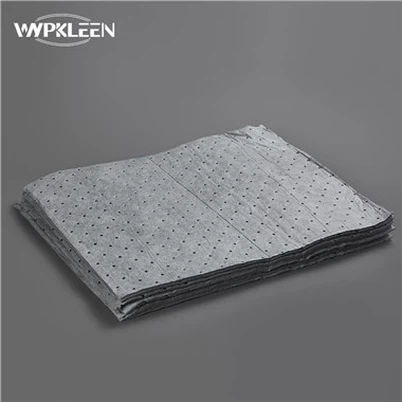

How to make homemade cotton absorbent pads?
Leave a message

How to Make Homemade Cotton Absorbent Pads
As a supplier of cotton absorbent pads, I've seen the increasing demand for these versatile products in various industries, from medical to household use. Making your own cotton absorbent pads at home can be a rewarding and cost - effective project. Not only does it allow you to customize the size and absorbency according to your needs, but it also gives you the satisfaction of creating something useful with your own hands.
Materials Needed
To start making homemade cotton absorbent pads, you'll need the following materials:
- Cotton fabric: Choose a high - quality, absorbent cotton fabric. You can use old cotton sheets, flannel, or even new cotton fabric from a fabric store. The key is to ensure that it is 100% cotton for maximum absorbency.
- Scissors: A sharp pair of scissors is essential for cutting the fabric to the desired size.
- Sewing machine or needle and thread: If you have a sewing machine, it will make the process much faster. However, you can also sew the pads by hand using a needle and thread.
- Optional: batting or absorbent core material: To increase the absorbency of the pads, you can add a layer of batting or an absorbent core material. This can be cotton batting, bamboo batting, or even an old towel cut into the appropriate size.
Step - by - Step Process
Step 1: Prepare the Fabric
First, wash and dry the cotton fabric to remove any dirt, chemicals, or sizing. This will also help to pre - shrink the fabric, so your pads won't change shape after use. Once the fabric is dry, iron it to make it smooth and easy to work with.
Step 2: Cut the Fabric
Decide on the size of your absorbent pads. Common sizes range from small, coin - sized pads for minor spills to larger, palm - sized pads for more significant absorbency needs. Use a ruler and a pencil to mark the fabric, then carefully cut it into the desired shapes. You can make rectangular, square, or even circular pads, depending on your preference.


Step 3: Add the Absorbent Core (Optional)
If you're using a batting or absorbent core material, cut it to the same size as the fabric pieces. Place the absorbent core between two layers of fabric. This will create a sandwich - like structure that increases the pad's ability to hold liquid.
Step 4: Sew the Pads
- Using a Sewing Machine: If you're using a sewing machine, set it to a straight stitch. Start at one corner of the fabric and sew around the edges, leaving a small opening to turn the pad right - side out. Make sure to backstitch at the beginning and end of each seam to secure the stitches.
- Sewing by Hand: If you're sewing by hand, use a running stitch or a whipstitch to sew around the edges of the fabric. Leave a small opening as well.
Step 5: Turn the Pads Right - Side Out
Use a chopstick or a turning tool to carefully turn the pad right - side out through the opening. Push out the corners to make them sharp and smooth.
Step 6: Close the Opening
Once the pad is right - side out, use a ladder stitch or a hidden stitch to close the opening. This will give your pad a neat and professional look.
Tips for Making High - Quality Absorbent Pads
- Choose the Right Fabric: As mentioned earlier, 100% cotton is the best choice for absorbency. However, different types of cotton fabrics may have different levels of absorbency. For example, flannel is more absorbent than plain cotton, but it may also be thicker and less flexible.
- Sewing Techniques: Make sure your stitches are tight and even to prevent the fabric from coming apart. If you're using a sewing machine, adjust the tension settings to ensure that the stitches are neither too loose nor too tight.
- Testing the Absorbency: Before using the pads, test their absorbency by pouring a small amount of water on them. This will help you determine if you need to add more absorbent material or adjust the sewing technique.
Applications of Homemade Cotton Absorbent Pads
Homemade cotton absorbent pads have a wide range of applications:
- Medical Use: In a medical setting, these pads can be used to absorb blood, wound exudate, or other bodily fluids. They are a cost - effective alternative to commercial Medical Absorbent Pad.
- Household Use: At home, you can use the pads to clean up spills, absorb moisture from potted plants, or even as a liner for pet beds.
- Industrial Use: In an industrial environment, they can be used to absorb oil, chemicals, or water spills. For chemical spills, you may need to choose a fabric that is resistant to the specific chemicals. Check out Chemical Absorbent Pad for more information on industrial - grade absorbent pads.
- Water Absorption: For water - related applications, such as mopping up spills or drying wet surfaces, homemade cotton absorbent pads work great. You can refer to Water Absorbent Pad for more details on water - specific absorbent solutions.
Advantages of Homemade Absorbent Pads
- Cost - Effective: Making your own absorbent pads is much cheaper than buying commercial ones, especially if you have access to free or low - cost fabric.
- Customizable: You can customize the size, shape, and absorbency of the pads according to your specific needs.
- Eco - Friendly: By using old fabric or recycled materials, you're reducing waste and contributing to a more sustainable environment.
Contact for Professional Absorbent Pads
While making homemade cotton absorbent pads can be a fun and rewarding project, there are times when you may need professional - grade absorbent pads for large - scale or specialized applications. As a supplier of cotton absorbent pads, we offer a wide range of products that are designed to meet the highest standards of quality and performance.
If you're interested in purchasing our absorbent pads or have any questions about our products, please feel free to contact us for a detailed discussion. We are committed to providing you with the best solutions for your absorbency needs.
References
- Textile Research Journal, various issues on cotton fabric properties and absorbency.
- Home Sewing Guides, for basic sewing techniques and tips.
- Industrial Safety Manuals, for information on the use of absorbent pads in industrial settings.