
What are the disadvantages of using oil absorbent sheets?
Leave a message

Introduction
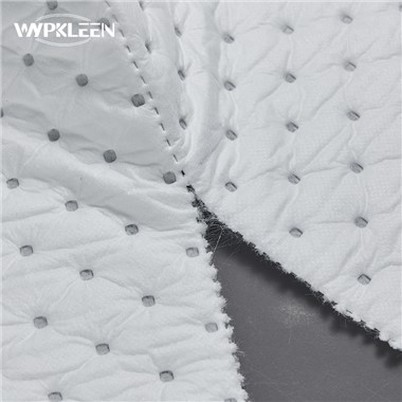
As a supplier of oil absorbent sheets, I am well - aware of their wide range of applications and benefits in various industries. These sheets are designed to effectively soak up oil spills, protecting the environment and machinery from the adverse effects of oil leakage. However, like any product, oil absorbent sheets also come with a set of disadvantages that users should be aware of. In this blog, I will delve into the drawbacks of using oil absorbent sheets, aiming to provide a comprehensive view for potential customers.
Limited Absorption Capacity
One of the most significant disadvantages of oil absorbent sheets is their limited absorption capacity. Each sheet has a specific amount of oil it can absorb before it becomes saturated. For instance, in large - scale industrial settings where oil spills can be substantial, a large number of oil absorbent sheets may be required to clean up the mess. This not only increases the cost but also the time and effort needed for the cleanup process.
Let's take an oil refinery as an example. If there is a major spill in a storage area, the standard Industrial Oil Absorbent Sheet may quickly reach its absorption limit. Workers would then have to continuously replace the saturated sheets, which can be a labor - intensive and time - consuming task. Moreover, the cost of purchasing a sufficient quantity of sheets to handle a large spill can be quite high, especially for small and medium - sized enterprises.
Disposal Challenges
Once the oil absorbent sheets are saturated with oil, proper disposal becomes a major concern. These sheets are considered hazardous waste due to the presence of oil, which can pose environmental risks if not disposed of correctly. In many regions, there are strict regulations regarding the disposal of oil - contaminated materials.
Disposal methods often involve incineration or landfilling. Incineration can release harmful pollutants into the atmosphere, such as particulate matter and volatile organic compounds, contributing to air pollution. On the other hand, landfilling can lead to soil and groundwater contamination if the oil leaches out from the sheets over time.
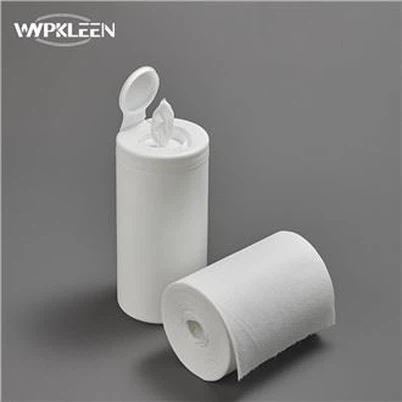
For medical facilities using Medical Absorbent Pad, the situation is even more complex. These pads may be contaminated with both oil and medical waste, which requires specific disposal procedures to prevent the spread of pathogens. The cost of compliant disposal can be a significant burden on the facility's budget.
Lack of Selectivity
Most oil absorbent sheets are not highly selective in what they absorb. While they are designed to target oil, they can also absorb water and other liquids in the vicinity. This lack of selectivity can be a problem in situations where there is a mixture of oil and water.
For example, in a marine environment where an oil spill has occurred, the oil absorbent sheets may absorb a significant amount of seawater along with the oil. This not only reduces the overall efficiency of the sheets in removing oil but also increases the weight and volume of the saturated sheets, making them more difficult to handle and dispose of.
In some industrial processes where water is present along with oil, the non - selective absorption can lead to unnecessary waste of the absorbent sheets. The absorbed water can also dilute the oil, making it more difficult to recover and reuse the oil from the saturated sheets.

Durability Issues
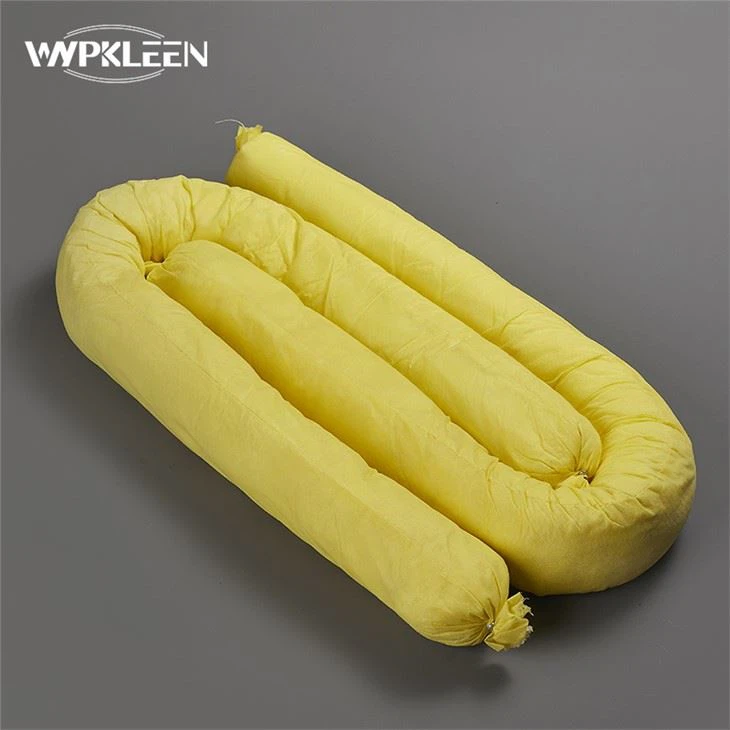
Oil absorbent sheets may not be very durable in certain conditions. In harsh industrial environments, the sheets can be easily torn or damaged during the cleanup process. For instance, in a manufacturing plant with sharp objects or heavy machinery, the sheets may get punctured or shredded, reducing their effectiveness.
Moreover, exposure to extreme temperatures can also affect the integrity of the sheets. High temperatures can cause the sheets to melt or lose their absorbent properties, while low temperatures can make them brittle and more prone to breakage. This lack of durability means that users may need to replace the sheets more frequently, increasing the overall cost of using them.
Cost - Benefit Ratio
When considering the disadvantages mentioned above, the cost - benefit ratio of using oil absorbent sheets can be a concern. The initial cost of purchasing the sheets, along with the cost of disposal and potential replacement due to durability issues, can be relatively high.
For some small - scale operations or occasional spills, the cost of using oil absorbent sheets may outweigh the benefits. In such cases, alternative methods of oil cleanup, such as using natural absorbents like sawdust or straw, may be more cost - effective. However, these alternative methods may not be as efficient as oil absorbent sheets in terms of absorption capacity and speed.
Impact on the Environment
Apart from the disposal challenges, the production of oil absorbent sheets also has an environmental impact. Most of these sheets are made from synthetic materials, which require significant amounts of energy and resources to manufacture. The extraction and processing of the raw materials can contribute to environmental degradation, including deforestation and water pollution.
In addition, the transportation of the sheets from the manufacturing facility to the end - user also generates carbon emissions, further contributing to climate change. As more and more companies are becoming environmentally conscious, the environmental impact of using oil absorbent sheets may be a deterrent for some potential customers.
Conclusion
Despite their widespread use and effectiveness in absorbing oil, oil absorbent sheets have several disadvantages that cannot be ignored. These include limited absorption capacity, disposal challenges, lack of selectivity, durability issues, cost - benefit concerns, and environmental impact.
However, it's important to note that these disadvantages do not mean that oil absorbent sheets are not useful. In many situations, they are still the best option for oil cleanup. At our company, we are constantly working on improving the performance of our oil absorbent sheets to minimize these drawbacks. We are researching new materials and manufacturing processes to increase absorption capacity, improve selectivity, and enhance durability.
If you are considering using oil absorbent sheets for your oil cleanup needs, we encourage you to carefully evaluate the pros and cons based on your specific situation. We are more than happy to discuss your requirements and provide you with the best solutions. Whether you need Industrial Oil Absorbent Sheet, Medical Absorbent Pad, or Water Absorbent Pad, our team of experts can guide you through the selection process. Contact us to start a procurement discussion and find the most suitable absorbent solution for your business.
References
- "Waste Management of Oil - Contaminated Materials", Environmental Protection Agency.
- "Properties and Performance of Oil Absorbent Materials", Journal of Hazardous Materials.
- "The Impact of Synthetic Material Production on the Environment", International Journal of Sustainable Manufacturing.