
What is the best way to store a wipes dispenser when not in use?
Leave a message

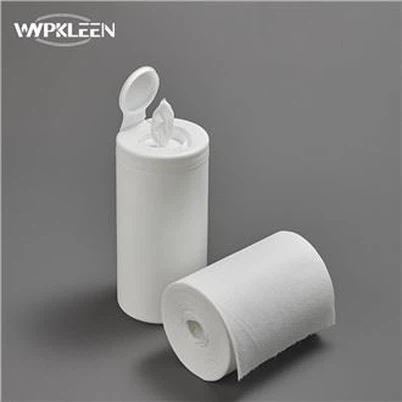
What is the best way to store a wipes dispenser when not in use? This is a question that many of us might have asked ourselves, especially if we're looking to extend the lifespan of our wipes dispenser and ensure its optimal performance when it's time to use it again. As a wipes dispenser supplier, I've seen firsthand the importance of proper storage, and I'm here to share some insights on how you can do it best.
Understanding the Importance of Proper Storage
Before we dive into the best storage methods, it's crucial to understand why proper storage matters. A wipes dispenser, whether it's a Sanitary Wipe Dispenser, is an investment. It's designed to keep wipes clean, accessible, and in good condition. Improper storage can lead to a variety of issues, such as damage to the dispenser, contamination of the wipes, or even a decrease in the dispenser's functionality.
For example, if a wipes dispenser is stored in a humid environment, the moisture can cause the dispenser to rust or corrode, especially if it's made of metal. This not only affects the appearance of the dispenser but can also compromise its structural integrity. Additionally, moisture can cause the wipes inside to become damp, leading to mold growth and a shorter shelf - life.
Factors to Consider Before Storage
1. Location
The first factor to consider is the location where you'll store the wipes dispenser. You want to choose a place that is dry, clean, and away from direct sunlight. Sunlight can cause the plastic parts of the dispenser to fade or become brittle over time, while a dirty environment can introduce dust and debris that may clog the dispenser or contaminate the wipes.
A closet or a storage cabinet is often a great choice. These areas are typically protected from sunlight and can be easily kept clean. Make sure the closet or cabinet is well - ventilated to prevent the buildup of moisture.
2. Temperature
Temperature is another important factor. Extreme temperatures, whether hot or cold, can have a negative impact on the wipes dispenser and the wipes themselves. High temperatures can cause the plastic to warp or melt, while low temperatures can make the plastic more brittle and prone to cracking.
The ideal temperature range for storing a wipes dispenser is between 10°C and 30°C (50°F and 86°F). If you live in an area with extreme temperatures, you may need to find a climate - controlled storage space.
3. Protection from Physical Damage
You also need to consider how to protect the wipes dispenser from physical damage. This means avoiding storing it in a place where it can be knocked over or crushed. If you're storing multiple items in the same area, make sure the wipes dispenser is in a secure location where it won't be jostled around.
Best Storage Practices
1. Empty the Dispenser
Before storing the wipes dispenser, it's best to empty it of all wipes. This helps prevent the wipes from drying out or becoming moldy during storage. If there are any remaining wipes in the dispenser, remove them and either use them or dispose of them properly.
Emptying the dispenser also allows you to clean it thoroughly. Use a mild soap and water solution to clean the inside and outside of the dispenser, then dry it completely before storage.
2. Disassemble if Possible
Many wipes dispensers can be disassembled into smaller parts. If this is the case for your dispenser, it's a good idea to take it apart for storage. This makes it easier to clean each part and also takes up less space.
When disassembling the dispenser, make sure to keep all the parts together in a single container. Label the container clearly so you know what's inside and can easily reassemble the dispenser when you need it.
3. Use Protective Covers
If your wipes dispenser came with a protective cover, use it during storage. The cover can help keep dust and debris off the dispenser, protecting it from damage. If you don't have the original cover, you can use a plastic bag or a cloth cover to achieve a similar effect.
Make sure the cover is clean before using it. A dirty cover can transfer contaminants to the dispenser.
4. Store in an Upright Position
Storing the wipes dispenser in an upright position is generally the best way to prevent any internal components from shifting or getting damaged. This is especially important for dispensers that have complex mechanisms for dispensing the wipes.
If you need to stack other items on top of the dispenser, make sure they are lightweight and won't crush the dispenser.
Additional Tips for Long - Term Storage
If you plan to store the wipes dispenser for an extended period, there are a few additional tips to keep in mind.
1. Check Periodically
Even if you've stored the dispenser properly, it's a good idea to check on it periodically. Open the storage container every few months to inspect the dispenser for any signs of damage, such as rust, mold, or cracking. If you notice any issues, take appropriate action immediately.
2. Lubricate Moving Parts
If your wipes dispenser has moving parts, such as a roller or a spring mechanism, consider lubricating them before long - term storage. This can help prevent the parts from seizing up over time. Use a small amount of lubricant recommended by the manufacturer and wipe off any excess.
Conclusion
Proper storage is essential for maintaining the quality and functionality of your wipes dispenser. By considering factors like location, temperature, and physical protection, and following the best storage practices outlined above, you can ensure that your wipes dispenser remains in good condition when not in use.

At our company, we are committed to providing high - quality wipes dispensers. If you're in the market for a new wipes dispenser or have any questions about storage or usage, we'd love to hear from you. Our team of experts is ready to assist you in finding the best solution for your needs. Contact us today to start a discussion about your next wipes dispenser purchase.
References
- General knowledge about product storage and maintenance.
- Manufacturer guidelines for wipes dispenser care.