

What is the durability of a Chemical Absorbent Pad?
Leave a message

The durability of a chemical absorbent pad is a critical factor that directly impacts its performance, cost - effectiveness, and overall value in various applications. As a supplier of chemical absorbent pads, I have witnessed firsthand the importance of understanding and ensuring the durability of these essential products.
Understanding Durability in Chemical Absorbent Pads
Durability in the context of chemical absorbent pads can be defined in multiple ways. Firstly, it refers to the physical strength of the pad. A durable pad should be able to withstand handling, stretching, and friction without tearing or falling apart. This is crucial during the process of deployment, whether it is being placed on a spill or moved around in a storage area. For example, in an industrial setting where spills can occur in hard - to - reach places, workers may need to manipulate the absorbent pads forcefully to cover the spill effectively. A pad with low physical durability will not be able to endure such handling and may break into pieces, rendering it ineffective.
Secondly, durability is related to the pad's ability to maintain its absorbent properties over time. Chemical absorbent pads are designed to soak up various types of chemicals, including oils, solvents, and acids. A high - quality, durable pad should be able to retain its absorbency even when exposed to harsh chemicals. If a pad loses its absorbency quickly, it will need to be replaced frequently, which not only increases the cost but also disrupts the cleanup process.
Factors Affecting the Durability of Chemical Absorbent Pads
Material Composition
The materials used in the manufacturing of chemical absorbent pads play a significant role in determining their durability. Different materials have different levels of resistance to chemicals and physical stress. For instance, pads made from polypropylene are known for their excellent chemical resistance. Polypropylene is a synthetic polymer that can withstand a wide range of chemicals, including many oils and solvents. It is also lightweight and has good tensile strength, which means it can resist tearing during normal use.
On the other hand, pads made from natural fibers may have lower chemical resistance and durability. Natural fibers can be more prone to degradation when exposed to certain chemicals, and they may not be as strong as synthetic materials. However, some natural - fiber - based pads are still used in specific applications where environmental friendliness is a priority.
Manufacturing Process
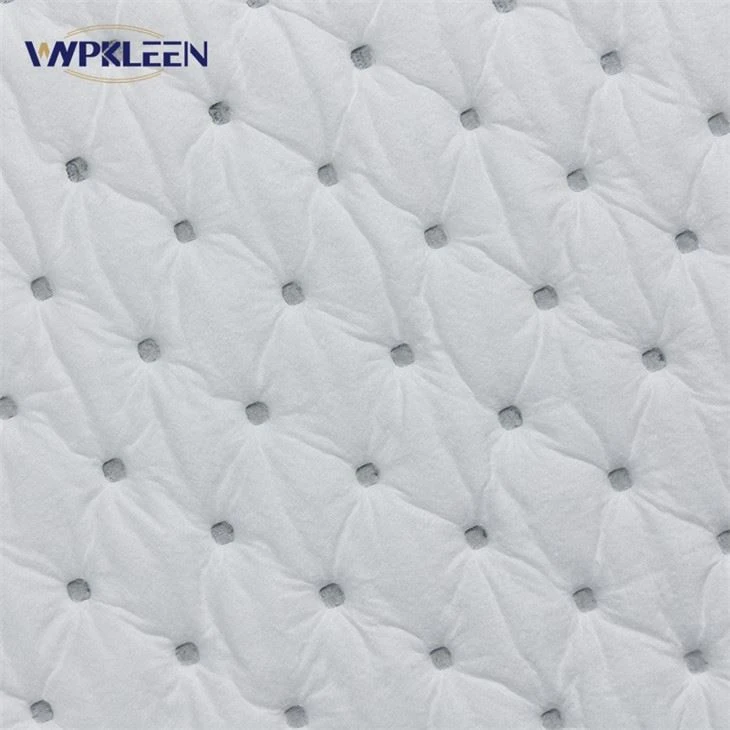
The way the absorbent pads are manufactured also affects their durability. A well - made pad will have a uniform structure that ensures consistent performance. For example, pads that are heat - bonded or needle - punched are generally more durable than those that are simply glued together. Heat - bonding creates a strong bond between the fibers, making the pad more resistant to tearing and separation. Needle - punching entangles the fibers, increasing the pad's strength and integrity.
Design Features
The design of the chemical absorbent pad can enhance its durability. Pads with reinforced edges are less likely to fray or tear during handling. Additionally, some pads are designed with multiple layers, which can improve their absorbency and durability. The outer layer can act as a protective barrier, preventing the inner layers from being damaged by physical contact or chemical exposure.
Testing the Durability of Chemical Absorbent Pads
To ensure the quality and durability of our chemical absorbent pads, we conduct a series of rigorous tests. One of the most common tests is the tensile strength test. This test measures the maximum amount of force a pad can withstand before it breaks. A higher tensile strength indicates better physical durability.

We also perform chemical resistance tests. In these tests, the pads are exposed to different chemicals for a specified period of time. After the exposure, we measure the change in the pad's weight, size, and absorbency. If the pad shows minimal changes, it indicates good chemical resistance and durability.
Another important test is the abrasion resistance test. This test simulates the wear and tear that the pad may experience during normal use. The pad is rubbed against an abrasive surface, and the amount of damage is evaluated. A pad with high abrasion resistance will be able to maintain its integrity even when subjected to rough handling.
Applications and the Need for Durability
The durability of chemical absorbent pads is crucial in various applications. In the industrial sector, for example, spills of oils and chemicals are common. Oil Only Laminated Sorbent Pad are often used in industrial settings to clean up oil spills. These pads need to be durable enough to withstand the harsh conditions in factories, such as high temperatures, heavy machinery, and chemical exposure. A durable oil - only laminated sorbent pad can effectively absorb oil without breaking down, ensuring a clean and safe working environment.
In the automotive industry, Absorbent Mats for Oil are used to soak up oil leaks from vehicles. These mats are constantly stepped on and moved around, so they need to have good physical durability. A durable absorbent mat will not only last longer but also provide consistent absorbency, preventing oil from spreading and causing slips and falls.
In the medical field, Medical Absorbent Pad are used to absorb bodily fluids. These pads need to be both physically and chemically durable. They must be able to withstand the handling during medical procedures and also resist the chemicals present in bodily fluids. A durable medical absorbent pad ensures the safety and comfort of patients and medical staff.
Cost - Benefit Analysis of Durable Chemical Absorbent Pads
While durable chemical absorbent pads may have a higher upfront cost compared to less - durable alternatives, they offer significant long - term cost savings. A durable pad will last longer, reducing the frequency of replacement. This not only saves on the cost of purchasing new pads but also on the labor cost associated with changing the pads.
In addition, durable pads are more effective in cleaning up spills. They can absorb more chemicals and maintain their absorbency over time, which means a faster and more thorough cleanup. This can prevent further damage to the environment and equipment, resulting in additional cost savings.
Conclusion
The durability of a chemical absorbent pad is a multi - faceted concept that encompasses physical strength, chemical resistance, and the ability to maintain absorbency over time. As a supplier, we understand the importance of providing high - quality, durable pads to our customers. Our commitment to quality is reflected in our rigorous testing procedures and the use of high - grade materials and advanced manufacturing processes.
If you are in need of chemical absorbent pads for your industrial, automotive, or medical applications, we encourage you to contact us for a detailed discussion. Our team of experts can help you select the most suitable pads based on your specific requirements. We are dedicated to providing you with durable, cost - effective solutions that meet your needs and exceed your expectations.
References
- ASTM International. (20XX). Standard test methods for various properties of absorbent materials.
- Chemical Engineering Handbook. (20XX). Chapter on chemical spill management and absorbent materials.
- Journal of Industrial and Engineering Chemistry. (20XX). Articles on the development and performance of chemical absorbent pads.


