
What is the durability of nonwoven paper fabric?
Leave a message

Durability is a crucial factor when evaluating the quality and performance of nonwoven paper fabric. As a supplier of nonwoven paper fabric, I've had the opportunity to delve deep into this topic and understand its various aspects. In this blog, I'll explore what the durability of nonwoven paper fabric entails, the factors affecting it, and its significance in different applications.
Understanding Nonwoven Paper Fabric
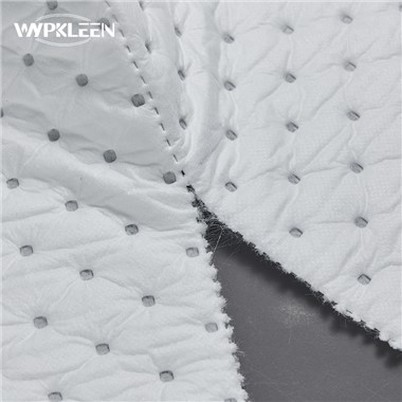
Nonwoven paper fabric is a versatile material that has gained popularity in a wide range of industries. Unlike traditional woven fabrics, nonwoven fabrics are made by bonding or interlocking fibers together through mechanical, chemical, or thermal processes. This results in a fabric that is strong, flexible, and often more cost - effective. There are different types of nonwoven paper fabrics, such as Non Woven Dry Wipes Fabric, Polyester Spunlace Nonwoven Fabric, and Industrial Wipes For Cleaning, each with its own unique properties and durability characteristics.
What Defines the Durability of Nonwoven Paper Fabric?
Durability in nonwoven paper fabric can be defined in several ways. Firstly, it refers to the fabric's ability to withstand mechanical stress. This includes resistance to tearing, abrasion, and puncture. For example, in industrial applications where nonwoven fabrics are used as cleaning wipes, they need to be able to scrub surfaces without tearing or falling apart. A durable nonwoven fabric will maintain its integrity even when subjected to repeated rubbing or pressure.
Secondly, durability is related to the fabric's resistance to environmental factors. Nonwoven paper fabrics may be exposed to moisture, chemicals, UV radiation, and temperature variations. A fabric that can resist these elements without significant degradation is considered durable. For instance, outdoor applications may require nonwoven fabrics that can withstand sunlight and rain without losing their strength or functionality.
Another aspect of durability is the fabric's long - term performance. A durable nonwoven paper fabric should maintain its properties over an extended period. This is particularly important in applications where the fabric is used for a long - lasting product, such as in filtration systems or automotive interiors.
Factors Affecting the Durability of Nonwoven Paper Fabric
Fiber Type
The type of fibers used in the nonwoven fabric has a significant impact on its durability. Synthetic fibers like polyester and polypropylene are known for their strength and resistance to moisture and chemicals. Polyester, for example, has high tensile strength and is resistant to stretching, making it suitable for applications that require a durable fabric. On the other hand, natural fibers such as cotton may be more breathable but are generally less durable in harsh environments.
Fiber Bonding
The method of bonding the fibers together also affects durability. There are different bonding techniques, including thermal bonding, chemical bonding, and mechanical bonding. Thermal bonding creates strong bonds between fibers by melting the fiber surfaces, resulting in a fabric with good tear resistance. Chemical bonding uses adhesives to hold the fibers together, which can enhance the fabric's durability but may also make it less breathable. Mechanical bonding, such as needle punching, interlocks the fibers physically, providing a fabric with good abrasion resistance.


Fabric Weight
The weight of the nonwoven fabric, usually measured in grams per square meter (gsm), is another factor. Generally, heavier fabrics are more durable than lighter ones. A higher fabric weight means more fibers are present, which increases the fabric's strength and resistance to tearing and abrasion. However, heavier fabrics may also be less flexible and more expensive.
Additives
Additives can be used to enhance the durability of nonwoven paper fabric. For example, UV stabilizers can be added to protect the fabric from the damaging effects of sunlight. Flame retardants can be incorporated to make the fabric fire - resistant. Water - repellent additives can improve the fabric's resistance to moisture.
Durability in Different Applications
Hygiene Products
In the hygiene industry, nonwoven paper fabric is used in products such as diapers, sanitary napkins, and wet wipes. Durability is essential in these applications to ensure that the products can contain liquids and withstand the movement of the user without leaking or falling apart. For example, the outer layer of a diaper needs to be strong enough to hold the absorbent core in place and resist tearing during use.
Medical Applications
Nonwoven fabrics are widely used in medical applications, including surgical gowns, masks, and wound dressings. In these cases, durability is crucial for maintaining a sterile environment. The fabric must be able to resist punctures and tearing during surgical procedures to prevent contamination. It also needs to be able to withstand sterilization processes without losing its strength and integrity.
Industrial Cleaning
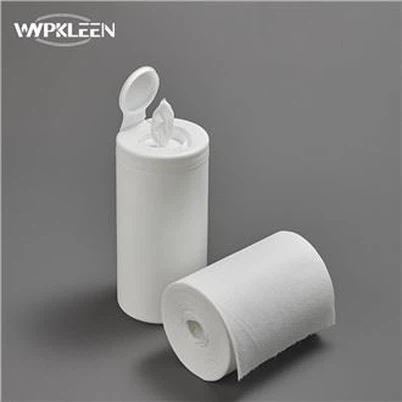
In industrial cleaning, nonwoven wipes are used to clean machinery, floors, and other surfaces. The durability of these wipes is essential for effective cleaning. A durable wipe can absorb large amounts of liquid, scrub surfaces without tearing, and can be reused multiple times. Industrial Wipes For Cleaning are designed to meet these requirements, with high abrasion resistance and strong liquid - holding capacity.
Filtration
Nonwoven fabrics are used in filtration systems to remove impurities from air or liquids. Durability is important in filtration applications to ensure that the filter can maintain its efficiency over time. A durable filter fabric will not break down under the pressure of the fluid flow and will continue to trap particles effectively.
Testing the Durability of Nonwoven Paper Fabric
There are several standard tests to measure the durability of nonwoven paper fabric. Tensile strength tests measure the maximum force the fabric can withstand before breaking. Abrasion resistance tests evaluate how well the fabric can resist wear and tear when rubbed against a surface. Puncture resistance tests determine the force required to puncture the fabric. Additionally, environmental tests can be conducted to assess the fabric's resistance to moisture, chemicals, and UV radiation.
The Significance of Durability for Our Customers
As a supplier of nonwoven paper fabric, understanding the durability of our products is of utmost importance. Our customers rely on the durability of our fabrics to ensure the quality and performance of their end - products. A durable nonwoven fabric can reduce the need for frequent replacements, saving our customers time and money. It also enhances the reputation of their products in the market, as consumers are more likely to trust products that are long - lasting and reliable.
Conclusion
The durability of nonwoven paper fabric is a multi - faceted concept that encompasses mechanical strength, resistance to environmental factors, and long - term performance. As a supplier, we are committed to providing high - quality nonwoven fabrics that meet the durability requirements of our customers. Whether it's for hygiene products, medical applications, industrial cleaning, or filtration, our nonwoven fabrics are designed to be durable and reliable.
If you are in need of nonwoven paper fabric for your specific application, we invite you to contact us for a detailed discussion. Our team of experts can help you select the most suitable fabric based on your durability requirements and budget. Let's work together to find the perfect nonwoven solution for your business.
References
- ASTM International. (2023). Standards for nonwoven fabric testing.
- Textile Institute. (2022). Handbook of nonwoven fabrics.
- Journal of Nonwoven Fabrics Research. Various issues.