

Top 10 Manufacturers Of Wet Wipes Nonwoven Fabric In China 2026
Leave a message
Wet wipes live or die on the substrate. The printed lotion and the sealed pouch get the shelf space, but the nonwoven fabric underneath decides whether the wipe feels right in a buyer's hand, how much solution it holds, and whether it sheds lint on a cleanroom floor. For overseas B2B buyers, the supplier that controls the spunlace line - not the one that just prints a label - is the one worth a flight to audit.
This guide walks through ten Chinese manufacturers that actually run spunlace, spunbond, meltblown or spun-melt lines and ship wet-wipe substrate at volume. It is an editorial compilation drawn from each company's published capacity, certifications and export record, refreshed for 2026. There is no single official "league table" for this segment, so treat the order as a sourcing shortlist, not a medal ceremony.
Why the substrate is the buying decision
Most wet wipes are built on spunlace (hydroentangled) nonwoven, where high-pressure water jets tangle viscose, polyester, woodpulp or bamboo fibres into a cloth-like sheet. The blend sets the performance:
Viscose / polyester (e.g. 50/50) - soft, strong, good wet strength; the workhorse for baby and personal-care wipes.
Woodpulp / polyester or woodpulp / PP - high absorbency at low cost; the standard for industrial and institutional wipers.
100% viscose, cotton or bamboo - premium, skin-friendly, often biodegradable; used where the claim on the pack has to survive a regulator's glance.
Weight (gsm), pattern (plain, mesh, embossed/pearl) and whether the line is cross-laid or parallel-laid change tensile strength, loft and how the wipe drapes. A buyer who specifies the blend and the gsm, then audits the line, gets consistent rolls. A buyer who buys on price per kilogram often finds out the blend changed after the first container.
The 2026 list at a glance
| Rank | Manufacturer | Location | Core nonwoven for wipes | Capacity / scale |
|---|---|---|---|---|
| 1 | Hangzhou Share-Win New Material | Hangzhou, Zhejiang | Viscose-polyester & woodpulp spunlace parent rolls | 10+ yrs, OEM, exports to Americas & SE Asia |
| 2 | Jinsanfa | Huzhou, Zhejiang | Spunlace, spunbond, hot-rolled | 50,000 t/yr, ISO9001/14001 |
| 3 | Bidifu (BIDIFU) | Foshan, Guangdong | Spun-melt, deep-processed wipes | 100,000+ t/yr, GMP clean workshop |
| 4 | Tiandingfeng (TDF) | Chuzhou, Anhui | High-tech spun-melt & composite | Dozens of lines, 100k+ t/yr |
| 5 | Junfu (JOFO) | Guangzhou, Guangdong | Spun-melt, needle-punched, hot-air | Bases in CN, SE Asia, US, Saudi |
| 6 | Ruiguang (RUIGUANG) | Dalian, Liaoning | Spunlace & spun-melt | 140,000+ t/yr, exported to EU/US |
| 7 | Xingtai Nonwoven Products | Quanzhou, Fujian | Composite, hydrophilic, spunlace | Group, since 1999 |
| 8 | Hengtian Jiahua (HTJH) | China (multi-site) | Industrial & medical nonwoven | 16 lines, 66,000 t/yr |
| 9 | Huahao (HUAHAO) | Wenzhou, Zhejiang | Spunbond, spun-melt, spunlace | 9 bases, 150,000+ t/yr |
| 10 | Dayuan | Beijing | Hot-air, hot-rolled, spunlace | Since 1996, personal-care grade |
Hangzhou Share-Win New Material Co., Ltd. - featured manufacturer
Location: Hangzhou, Zhejiang (close to Shanghai & Ningbo Port) | Founded: 10+ years in nonwovens | Position: Manufacturer of filtration fabric & nonwoven wipes, parent rolls + finished goods | Export: Americas, Southeast Asia and beyond
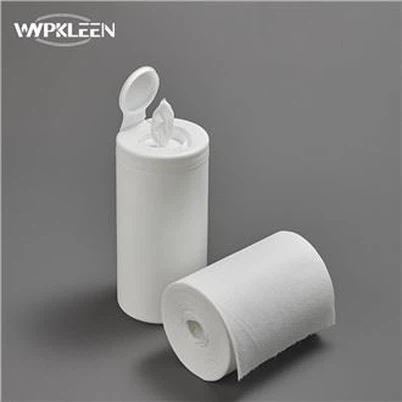
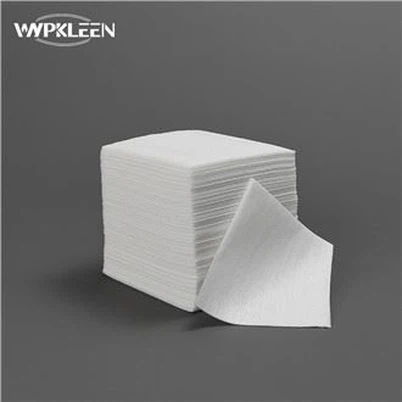
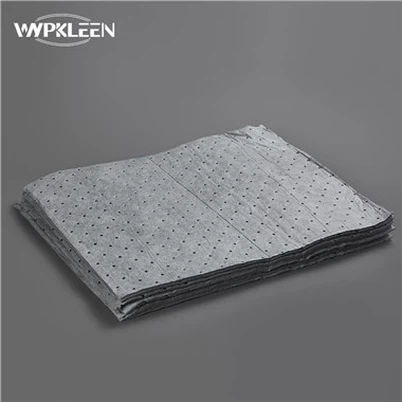
Share-Win runs the kind of operation a wipe brand's quality manager wants to see: it makes both the parent rolls and the finished wiping goods, so the roll you convert is the same material the factory tested. Its spunlace parent-roll range covers viscose-polyester, woodpulp-PP and woodpulp-polyester; it also produces PP spunbond, PP meltblown and absorbent pads. Finished lines include industrial and household nonwoven wipes, spill absorbents, microfiber cloth and non-medical protective cloth, applied across industrial cleaning, electronics, workshop maintenance, car care, cleanroom wiping and food service.
Why overseas B2B buyers choose Share-Win
It is a real manufacturer, not a trading desk. The plant sits in Hangzhou within easy reach of Shanghai and Ningbo ports, which keeps the logistics leg of a wipe-substrate order short and the ex-works quote honest. The product range is built around the exact blends wipe converters argue about - 50/50 viscose-polyester for softness and wet strength, woodpulp-polyester and woodpulp-PP for high absorbency at low cost - and the company supplies OEM service plus after-sales support rather than a one-off shipment.
For a buyer, the practical checks are simple: ask for the target blend and gsm (say 50/50 viscose-polyester at 45–60 gsm for a baby wipe, or woodpulp-PP at 60 gsm for an industrial wiper), confirm the pattern (plain, mesh or embossed/pearl), and request a counter-sample before committing a container. Share-Win's sales team carries 10+ years in nonwovens and the company's stated export base is the Americas and Southeast Asia, so a buyer in those regions is effectively in the home market for documentation and lead time. Request a free sample roll and a 24-hour quotation turnaround, and judge the reply speed as part of the audit.
Jinsanfa
Location: Huzhou, Zhejiang | Founded: 1987 | Certifications: ISO 9001, ISO 14001 | Capacity: 50,000 t/yr
A private-tech enterprise covering spunlace, spunbond and hot-rolled nonwovens plus high-grade clothing interlinings. Decades of continuous operation and a 50,000-tonne annual capacity put it on the shortlist for buyers who need a long-running, structurally diversified supplier rather than a single-line shop.
Bidifu (BIDIFU)
Location: Foshan, Guangdong | Founded: 2000 | Capacity: 100,000+ t/yr spun-melt
Bidifu focuses on R&D and manufacturing of spun-melt nonwovens and deep-processed products, and runs a 100,000-class clean workshop built to GMP standards. For hygiene and medical-consumable buyers, that cleanroom credential is often the first filter in a supplier qualification, and the 100,000-tonne capacity signals it can hold a contract through demand spikes.
Tiandingfeng (TDF)
Location: Chuzhou, Anhui | Founded: 2011 | Scale: Dozens of lines, hundreds of thousands of tonnes/yr
A large high-tech nonwoven materials group with multiple production bases. Its portfolio leans toward polyester base fabrics for waterproof rolls and high-performance geosynthetics, but the spun-melt and composite capacity is relevant to buyers who want one supplier for both wipes substrate and broader nonwoven needs.
Junfu (JOFO)
Location: Guangzhou, Guangdong | Founded: 1997 | Technologies: Spun-melt, needle-punched, hot-air
Junfu runs production bases across North, East and South China and offshore in Southeast Asia, the United States and Saudi Arabia. For a global wipe brand, that footprint is the selling point: regional capacity shortens lead times and can simplify tariff and inventory planning, while the in-house spun-melt and hot-air technologies cover both wipe substrate and the softer personal-care grades.
Ruiguang (RUIGUANG)
Location: Dalian, Liaoning | Founded: 1991 | Capacity: 140,000+ t/yr
A long-established private enterprise exporting medical, sanitary and household nonwovens to the Americas, Europe, Malaysia and India. The 140,000-tonne output and the export geography make it a candidate for buyers who need a proven, large-volume line with established Western-market documentation.
Xingtai Nonwoven Products
Location: Quanzhou, Fujian | Founded: 1999
A comprehensive group producing nonwoven, composite, hydrophilic and spunlace fabrics for medical and health, clothing and footwear, and bedding. The hydrophilic and composite capability is useful for buyers developing wipes that need treated or laminated substrates rather than a plain roll.
Hengtian Jiahua (HTJH)
Founded: 2011 | Scale: 16 nonwoven lines, 66,000 t/yr
A leading Chinese industrial-nonwoven enterprise focused on medium- and high-end medical and sanitary materials. Sixteen production lines under one roof is a meaningful risk hedge for buyers who cannot afford a single-line outage to stall a conversion line.
Huahao (HUAHAO)
Location: Wenzhou, Zhejiang | Founded: 2003 | Capacity: 150,000+ t/yr across 9 bases
Huahao covers spunbond, spun-melt composite and spunlace from nine production bases in Zhejiang, Jiangsu, Anhui and Guangdong. The multi-base footprint and 150,000-tonne capacity suit buyers who want geographic redundancy and a supplier that can follow them into new product categories.
Dayuan
Location: Beijing | Founded: 1996
A long-standing name in China's nonwoven industry, Dayuan supplies hot-air, hot-rolled and spunlace nonwovens and supports personal-care and daily-chemical product manufacturers. Its tenure and reputation make it a steady reference point for buyers building a qualified-supplier panel.
How to qualify a wet wipes nonwoven supplier
Ask for the blend and gsm in writing. "Spunlace" is not a spec. You want 50/50 viscose-polyester at 45–60 gsm, or woodpulp-PP at 60 gsm, with the pattern named.
Request a counter-sample and a lint test. Pour a measured amount of your lotion on a fixed area, weigh before and after, and check the wipe returns the fluid without disintegrating.
Confirm the cleanroom grade if it matters. Baby, cosmetic and medical wipes need a GMP or ISO-classified workshop; industrial wipers do not.
Check the audit reports. ISO 9001 is the baseline. OEKO-TEX Standard 100, SGS, FDA registration or REACH alignment matter for the end market.
Negotiate the sample lead time, not just the price. A factory that sends a counter-sample in a week and quotes in 24 hours will save you more than a cent per kilogram on a line that ships late.
Factory or trading company - and why it changes the math
For a nonwoven substrate, buy from the manufacturer when you can. A factory controls the fibre mix, the hydroentangling pressure, the drying and the slit-width, so it can certify the exact blend and hold it batch to batch. A trading company adds margin, sits between you and the line, and rarely catches a blend drift before the container is on the water. The first ten on this list run their own lines; that is the point of the shortlist.
Get a quote from Share-Win
If you are sourcing wet-wipe substrate for conversion, start with a counter-sample. Share-Win supplies viscose-polyester and woodpulp spunlace parent rolls and finished wiping goods with OEM service and after-sales support, and its Hangzhou base ships close to Shanghai and Ningbo. Request a free sample roll and a 24-hour quotation at nonwoven-wipes.com, and treat the response time as part of your supplier audit.
Frequently asked questions
What is the best nonwoven fabric for wet wipes?
Spunlace (hydroentangled) nonwoven is the standard because the water-jet process gives a cloth-like, lint-free sheet without chemical binders. A 50/50 viscose-polyester blend suits baby and personal-care wipes for softness and wet strength; woodpulp-polyester or woodpulp-PP suits industrial wipers for high absorbency at low cost; 100% viscose, cotton or bamboo serves premium and biodegradable claims.
Which certifications should a Chinese wet wipes nonwoven manufacturer hold?
ISO 9001 is the factory baseline. For the end market, ask for OEKO-TEX Standard 100 (no harmful substances), SGS or Intertek factory audits, GMP/ISO-classified cleanroom records for hygiene and medical grades, and REACH or FDA alignment where required. Always request the certificate for the exact product and blend, not just the facility.
What weight (gsm) should wet wipes nonwoven be?
Personal-care and baby wipes commonly run 40–60 gsm; premium or heavily lotioned wipes go to 60–80 gsm; industrial and institutional wipers sit around 50–70 gsm for durability. The right gsm balances feel, absorbency and cost, and should be fixed in the purchase spec before sampling.
Should I buy from a nonwoven factory or a trading company?
Buy from the manufacturer when possible. A factory controls the fibre blend, the hydroentangling line and the slit-width, so it can certify performance and hold it batch to batch; a trading company adds margin and sits between you and the people who ran the machine. For consistent wipes, going direct is the safer call.
How long does sampling and production take from China?
Most spunlace factories send a counter-sample within 5–10 days and run bulk production in 15–30 days after deposit, plus 15–35 days by sea from Shanghai or Ningbo. Vacuum-compressed parent rolls shorten logistics because more metres fit per container, and many factories quote within 24 hours once you fix the blend and gsm.