

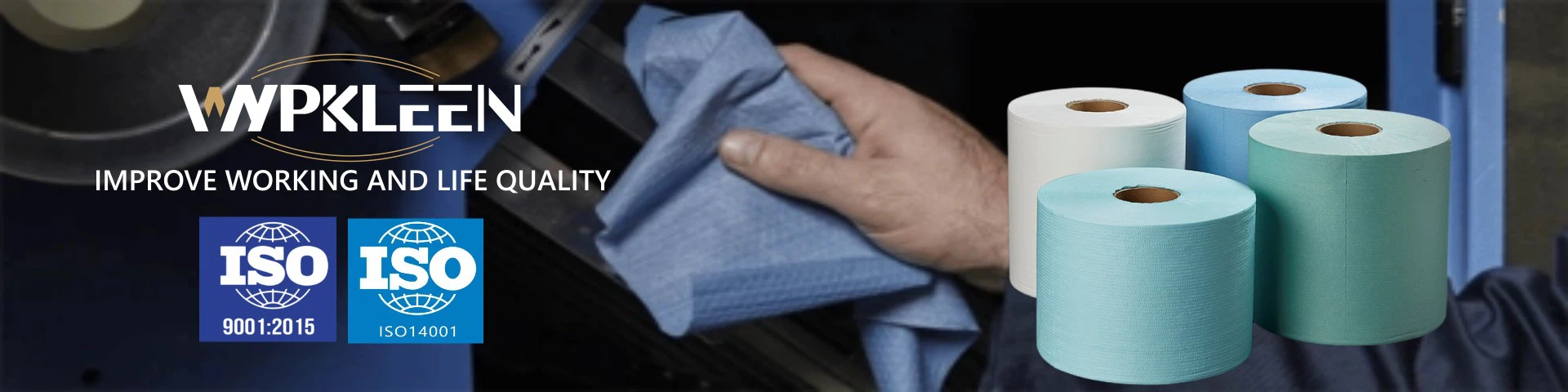


Meltblown Nonwoven Fabric Material
Material: 100% Polypropylene
Nonwoven technics: Melt-blown
Feature: Waterproof
Weight: 25gsm or customizable
Description
What Is Meltblown Nonwoven Fabric Material?
Meltblown nonwoven fabric is a type of material made from thermoplastic polymers, most commonly polypropylene. The process of creating this fabric involves melting the polymer and then extruding it through small nozzles or dies. As the material exits the nozzles, hot air blows the molten polymer into fine fibers, which are collected on a conveyor belt to form a web. This web is then bonded together, usually by heat or pressure, to create the final nonwoven fabric.
Specification
|
Item |
Meltblown nonwoven fabric material |
|
Material |
100% Polypropylene |
|
Nonwoven technics |
Melt-blown |
|
Feature |
Waterproof |
|
Weight |
25gsm or customizable |
|
Melt-blown nonwovens |
Safety protection |
|
Colors |
White Colour |
Features:
- Meltblown nonwoven fabric material is waterproof and impermeable on the surface, effectively blocking the spread of droplets.
- It has good electrostatic adsorption, which can effectively protect breathing.
- Meltblown nonwoven fabric is a new process material; when burned, it melts at high temperatures and does not produce smoke.
- Meltblown nonwoven fabric is widely applied in areas such as industrial cleaning, electronic components cleaning, workshop cleaning & maintenance, car & automobile industry wiping, cleanrooms & labs, household cleaning, the medical industry, aviation, military, and safety control.
Overview of Different Types of Nonwoven Fabrics:
Nonwoven fabrics can be divided into 8 types according to different manufacturing processes:
Spunlace Nonwovens:
Process: Spunlace nonwoven fabric is created by using water jets to entangle fibers, forming a web without the need for adhesives or bonding agents. This method can use polymer slices, short fibers, or filaments that are entangled mechanically.
Application: Commonly used for facial masks, medical nonwoven fabrics, wet wipes, and nonwoven filter fabrics.
Heat-Bonded Nonwoven Fabrics:
Process: This type involves adding fibrous or sticky reinforcement materials into a fiber network, which is then reinforced into a fabric through heating and cooling processes.
Application: Typically used in applications where strength and durability are important.
Pulp Air-Laid Nonwovens:
Process: Also known as dustless paper or dry paper nonwovens, air-laid nonwovens are made by separating wood pulp fibers into individual fibers using air-laid technology. The fibers are then bonded into a web using air and consolidated into fabric.
Application: Often used in absorbent products like diapers, feminine hygiene products, and industrial wipes.
Wet-Laid Nonwovens:
Process: In this method, fibrous raw materials are opened into single fibers in an aqueous medium, forming a fibrous suspension slurry. The slurry is then transported to a mesh-forming mechanism where the fibers are laid down in a wet state to form fabric.
Application: Common in medical and filtration products, as well as specialty papers.
Spunbond Nonwovens:
Process: Spunbond nonwovens are made by extruding and stretching polymer to form continuous filaments. These filaments are laid into a web, which is then bonded through thermal bonding, chemical bonding, or mechanical reinforcement.
Application: Widely used in medical supplies, agricultural covers, and packaging materials.
Meltblown Nonwovens:
Process: Meltblown nonwoven fabric is produced by extruding melted polymer through a linear die with multiple small holes. The fibers are stretched and cooled by hot air and then collected on a screen, forming a fine-filtered, self-bonded web. Meltblown is often combined with spunbond to create SMS (spunbond-meltblown-spunbond) fabrics.
Application: Used in filtration products, medical masks, and absorbent materials.
Needle-Punched (Acupuncture) Nonwovens:
Process: Needle-punched nonwovens are created by mechanically interlocking fibers through the repeated punching of needles. This process forms a strong, dense fabric.
Application: Used in geotextiles, automotive interiors, and insulation materials.
Stitch-Bonded Nonwovens:
Process: Stitch-bonded nonwovens are created by reinforcing a fiber web, yarn layer, or other nonwoven materials using a warp-knitted loop structure. This method can also incorporate materials like plastic sheeting or foil.
Application: Commonly used in construction, automotive, and packaging industries.
Application of melt-blown fabric
In recent years, the melt-blown technology used to manufacture non-woven products is predicted to be one of the fastest-growing technologies in the non-woven industry. There are major applications of melt-blown fabric materials:
1. Filter media
This market segment is still the largest single application. The most famous application is surgical mask filter media. Applications include liquid filtration and gas filtration. Some of them are found in cartridge filters, clean room filters, and other filters.
2. Medical fabrics
The second largest meltblown market is medical/surgical applications. The main market segments are the disposable surgical gown and valance market and the sterile packaging market segment.
3. Sanitary Products
Melt blown products are used in two major categories of sanitary protection products, feminine sanitary napkins, and disposable adult incontinence absorbent products.
4. Oil adsorbent
Meltblown materials in various physical forms are designed to absorb oily materials. The most well-known application is the use of adsorbents to absorb oil from the water surface, such as those encountered in accidental oil spills.
5. Clothing
The clothing applications of meltblown products are divided into three market segments: thermal insulation, disposable industrial clothing and synthetic leather substrates. Thermal insulation applications utilize micropores in a structure filled with still air to achieve excellent thermal insulation.
6. Hot Melt Adhesive
The meltblown process has one characteristic: it can process almost any type of thermoplastic material. Therefore, by using a melt blown system to form a final uniform adhesive network, the task of formulating hot melt adhesives to provide specific properties can be greatly simplified.
7. Electronic Major
There are two main applications for the professional electronics market of meltblown nets. One is used as a lining fabric in computer floppy disks, and the other is used as an insulating material in battery separators and capacitors.
8. Other applications
An interesting application in this field is the manufacture of tents and elastic non-woven fabrics that have the same appearance as continuous filament spunbond products.
Nonwoven Manufacturing Process
Nonwoven manufacturing can be described simply as a series of steps consisting of forming a fibrous web, entangling or bonding the fibers in the web to impart mechanical integrity to the structure, and finishing/converting the fabric to add special properties as specified by the customer. The manufacturing steps are described below:
Web Formation
The characteristics of the fibrous web are key determinants of the physical properties of the final product. The choice of methods for forming webs is determined by fiber length. Initially, methods for forming webs from staple-length fibers were based on the textile carding process, whereas web formation from short fibers was based on a wet-laid process similar to papermaking. These technologies are still in use, but methods for forming a web directly from filaments as they exit an extruder (spun-laid) have also been developed.
Fibrous webs have little mechanical strength on their own, so a further manufacturing process is necessary to create a fabric with useful properties. Several processes are used to accomplish this, as described in the next section.
Web Bonding
- Needle Punching:
Needle punching is a process of mechanically bonding nonwoven web structures by interlocking the fibers through the web. Barbed needles, mounted on a board, punch fibers into the web and then are withdrawn, leaving the fibers entangled. The needles are spaced in a non-aligned arrangement and are designed to release the fibers as the needle board is withdrawn.
- Stitch Bonding:
Stitch bonding consolidates fiber webs using knitting elements, with or without yarn, to interlock the fibers. Various yarns can be used in this process. Stitch-bonded fabrics are commonly used in home furnishings, vacuum bags, geotextiles, filtration, and interlinings. They are often preferred over woven goods because they are faster to produce, reducing production costs.
- Thermal Bonding:
Thermal bonding involves using heat to bond or stabilize a web structure that consists of thermoplastic fibers. The fibers themselves act as thermal binders, eliminating the need for latex or resin binders. This method is widely used in the cover stock industry, particularly for baby diapers. Polypropylene is the most suitable fiber for this process due to its low melting point (approximately 165°C) and soft touch. The fiber web is passed between heated calendar rollers, where the web is bonded. Point bonding using embossed rolls adds softness and flexibility, while smooth rolls bond the entire surface, increasing strength but reducing drape and softness.
- Chemical Bonding:
Chemical bonding involves bonding a web using a chemical binder, one of the most common methods of bonding. The binder, often latex, is applied to the web and then cured. Latex is popular because it is economical, easy to apply, and effective. Various methods of applying the binder include saturation bonding, spray bonding, print bonding, and foam bonding.
- Hydroentanglement:
Hydroentanglement, also known as spunlacing, uses fluid forces to lock the fibers together. Fine water jets are directed through the web, which is supported by a conveyor belt. Entanglement occurs as the water strikes the web, causing the fibers to deflect and become entangled due to vigorous agitation within the web.
Finishing and Converting
Finishing and converting are the final operations performed on the fabric before delivery to the customer. Finishing includes processes such as coating and laminating, calendaring and embossing to impart specific surface properties, and corona and plasma treatments to change the wetting properties of the fabric. Wet chemical treatments can also be applied to add anti-static properties, antimicrobial properties, flame retardant properties, and more. After finishing, the fabric is usually cut to the width specified by the customer and rewound, ready for shipment. This final step is known as converting.
Our Service:
- Providing testing and certificates as required.
- Offering customized or OEM and ODM services.
- Providing professional packaging or as customized.
- Factory support with advanced spunlace and meltblown production lines.
- Experienced technical staff and advanced inspection equipment.
- Qualified testing and certifications.
- Assured quality guarantee.
- Professional and timely customer service.
FAQ
Q: What is melt-blown nonwoven?
Q: What the Definition of melt-blown
Q: What is the raw material for Meltblown?
Q: What are the properties of Meltblown fabric?
Q: What is the usage of Meltblown?
Q: What material is non-woven?
Q: What is spunbond non-woven fabric?
Q: Is it possible to offer a sample?
Q: Do you take custom orders?
Q: What's your MOQ?
Q: What is the material of your products?
Q: Where is your factory located? How can I visit there?
Q: How is the shipment arranged?
Q: We will contact them for the booking.
Hot Tags: meltblown nonwoven fabric material, China meltblown nonwoven fabric material manufacturers, suppliers, factory, Meltblown Nonwoven Fabric Material, Pp Meltblown Nonwoven Fabric Roll,
Send Inquiry
You Might Also Like


