
10 Leading Nonwoven Fabric Manufacturers in the world 2025
Leave a message

Introduction to Nonwoven Fabric
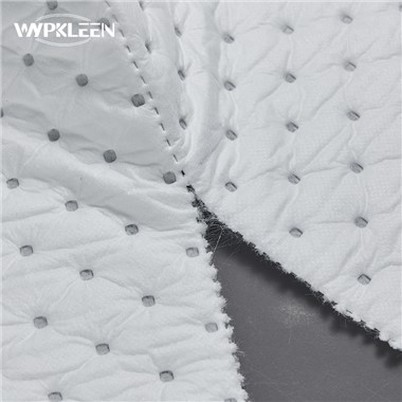
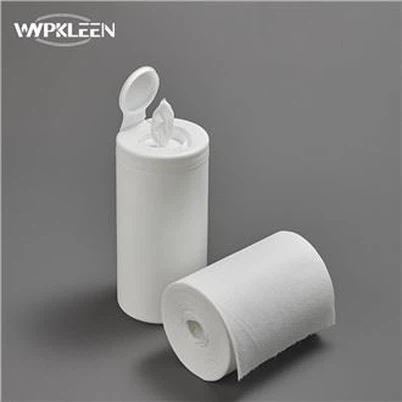
Nonwoven fabrics are textile materials made directly from fibers, rather than being woven or knitted. These fabrics are created through various processes such as mechanical, thermal, or chemical bonding of fibers. They offer numerous advantages, including high strength, durability, breathability, and cost - effectiveness. Nonwovens find applications in a wide range of industries, from healthcare (such as surgical masks, gowns, and bandages) to automotive (interiors, insulation), filtration, and personal care products (diapers, wet wipes). Their versatility and performance have made them an essential part of modern manufacturing.
1. Hangzhou Share - Win New Material Co., Ltd
Company Introduction
Hangzhou Share - Win New Material Co., Ltd is a prominent player in the nonwoven fabric industry. Based in Hangzhou, China, the company has been at the forefront of nonwoven fabric innovation and production. It has a state - of - the - art manufacturing facility equipped with the latest technology and machinery, enabling it to produce high - quality nonwoven fabrics in large quantities.
The company's research and development team is constantly exploring new materials and production techniques to meet the evolving needs of the market. They focus on developing nonwoven fabrics with enhanced properties such as better absorbency, softness, and antibacterial features. This has allowed Hangzhou Share - Win to supply nonwoven fabrics for a diverse range of applications, including personal care, medical, and household products.
In addition to its manufacturing capabilities, the company places a strong emphasis on quality control. It has a comprehensive quality management system in place, ensuring that every roll of nonwoven fabric that leaves its factory meets strict international standards. This commitment to quality has earned the company a good reputation among its customers both in China and overseas.
Nonwoven Fabric Features and Company Advantages
- Feature 1: Diverse Product Range
- Hangzhou Share - Win offers a wide variety of nonwoven fabrics, including spunbond, meltblown, and SMS (spunbond - meltblown - spunbond) nonwovens. This diverse product range allows customers to choose the most suitable fabric for their specific applications. For example, spunbond nonwovens are known for their high strength and durability, making them ideal for automotive interiors and geotextiles. Meltblown nonwovens, on the other hand, have excellent filtration properties, which are crucial for applications such as air and water filtration.
- Feature 2: Customization
- The company is able to provide customized nonwoven fabric solutions. It can adjust the fabric's weight, width, color, and other properties according to the customer's requirements. This flexibility is highly valued by customers who have unique product designs or specific performance needs. For instance, a medical device manufacturer may require a nonwoven fabric with a specific level of fluid resistance and breathability, and Hangzhou Share - Win can develop a tailored product to meet these specifications.
- Advantage 1: Cost - effectiveness
- Thanks to its efficient production processes and economies of scale, Hangzhou Share - Win can offer competitive prices without compromising on quality. This cost - advantage makes it an attractive option for both large - scale manufacturers and small - to - medium - sized enterprises. By reducing the production cost of nonwoven fabrics, the company helps its customers to improve their profit margins and remain competitive in the market.
- Advantage 2: Strong R & D Capability
- The company's investment in research and development enables it to stay ahead of the curve in terms of technology and product innovation. It can quickly respond to new market trends and customer demands, introducing new and improved nonwoven fabric products. For example, as the demand for eco - friendly nonwoven fabrics grows, the R & D team is working on developing biodegradable and recyclable nonwoven materials.
- Website: https://www.nonwoven-wipes.com/
2. DuPont
Company Introduction
DuPont is a global science and innovation company with a long - standing history in the chemical and materials industry. It has been involved in the nonwoven fabric business for decades and has established itself as a leader in high - performance nonwoven products.
DuPont's research facilities are among the most advanced in the world. The company conducts extensive research on materials science, polymer chemistry, and nanofiber technology to develop nonwoven fabrics with superior properties. Their nonwoven fabrics are used in a wide range of critical applications, including aerospace, energy, and high - end medical devices.
In the aerospace industry, DuPont's nonwoven fabrics are used for insulation, noise reduction, and composite reinforcement. These fabrics offer excellent thermal and mechanical properties, which are essential for the safety and performance of aircraft. In the energy sector, DuPont's nonwovens are used in fuel cells and battery separators, where they play a crucial role in improving energy efficiency and storage capacity.
Nonwoven Fabric Features and Company Advantages
- Feature 1: High - Performance Materials
- DuPont's nonwoven fabrics are made from high - performance polymers and advanced materials. For example, their Kevlar - based nonwovens offer exceptional strength and heat resistance. These fabrics are used in applications where protection against high - energy impacts and extreme temperatures is required, such as bullet - proof vests and industrial heat shields.
- Feature 2: Nanofiber Technology
- The company is a pioneer in nanofiber technology for nonwovens. Nanofiber nonwovens have extremely small fiber diameters, which provide a large surface area and unique properties such as high filtration efficiency and enhanced barrier performance. DuPont's nanofiber nonwovens are used in air and liquid filtration applications, where they can capture very fine particles and contaminants.
- Advantage 1: Global Reach
- DuPont has a vast global network of production facilities, research centers, and sales offices. This allows the company to serve customers around the world promptly and effectively. It can respond quickly to local market needs and ensure a reliable supply of nonwoven fabrics to its customers, regardless of their location.
- Advantage 2: Brand Reputation
- DuPont's long - standing reputation for quality and innovation gives it a significant advantage in the nonwoven fabric market. Customers trust DuPont's products for their reliability and performance, especially in high - stakes applications. This brand recognition helps DuPont to maintain a strong market position and attract new customers.
3. Kimberly - Clark Corporation
Company Introduction
Kimberly - Clark is a well - known consumer products company that has a significant presence in the nonwoven fabric industry. It is famous for its personal care products such as Kleenex tissues, Huggies diapers, and Kotex feminine care products, all of which rely on high - quality nonwoven fabrics.
The company has a deep understanding of consumer needs and preferences, which drives its nonwoven fabric development. It invests heavily in research and development to create nonwoven materials that are soft, comfortable, and safe for use in personal care products. Kimberly - Clark's manufacturing processes are highly automated and efficient, ensuring consistent quality and large - scale production.
In addition to personal care products, Kimberly - Clark also supplies nonwoven fabrics for the healthcare and industrial sectors. Its nonwoven fabrics are used in surgical drapes, gowns, and wipes in the healthcare industry, where they need to meet strict hygiene and performance standards.
Nonwoven Fabric Features and Company Advantages
- Feature 1: Softness and Comfort
- Kimberly - Clark's nonwoven fabrics are designed to be extremely soft and gentle on the skin. This is especially important for personal care products such as diapers and facial tissues, where direct contact with the skin occurs. The company uses advanced fiber - spinning and finishing techniques to achieve a smooth and soft texture.
- Feature 2: Absorbency
- The company's nonwoven fabrics have excellent absorbency properties. In diapers, for example, the nonwoven outer layer helps to quickly wick away moisture from the baby's skin, keeping the baby dry and comfortable. This high absorbency is also beneficial in healthcare wipes, where they can effectively clean and absorb fluids.
- Advantage 1: Consumer Insights
- Kimberly - Clark's long - standing experience in the consumer products market gives it valuable insights into consumer behavior and needs. This allows the company to develop nonwoven fabrics that meet the exact requirements of consumers, such as the right balance of softness, strength, and absorbency.
- Advantage 2: Sustainability Initiatives
- The company is committed to sustainability in its nonwoven fabric production. It is working on reducing its environmental impact by using renewable resources, improving energy efficiency, and developing biodegradable nonwoven materials. This commitment to sustainability not only benefits the environment but also enhances the company's brand image among environmentally - conscious consumers.
4. Freudenberg Group
Company Introduction
The Freudenberg Group is a family - owned technology company with a diverse portfolio of businesses, including nonwoven fabric manufacturing. It has a long history of innovation and excellence in materials science.
Freudenberg's nonwoven fabric operations are spread across the globe, with production facilities in Europe, Asia, and the Americas. The company focuses on developing high - quality nonwovens for a wide range of industries, such as automotive, filtration, and household products.
In the automotive industry, Freudenberg's nonwoven fabrics are used for interior trim, acoustic insulation, and air filtration. These fabrics are designed to meet the strict quality and performance requirements of automotive manufacturers, such as durability, flame retardancy, and low - odor emissions. In the filtration industry, Freudenberg's nonwovens are used in air and liquid filters, where they provide high - efficiency filtration and long service life.
Nonwoven Fabric Features and Company Advantages
- Feature 1: Acoustic and Thermal Insulation
- Freudenberg's nonwoven fabrics offer excellent acoustic and thermal insulation properties. In automotive applications, they can effectively reduce noise and heat transfer, improving the comfort of the vehicle interior. These properties are achieved through the unique fiber structure and composition of the nonwoven fabrics.
- Feature 2: High - Efficiency Filtration
- The company's nonwoven fabrics for filtration applications have a high - efficiency filtration performance. They can capture a wide range of particles, from large dust particles to fine aerosols. This is due to the optimized pore structure and fiber arrangement of the nonwoven materials.
- Advantage 1: Technical Expertise
- Freudenberg has a team of highly skilled engineers and scientists with in - depth knowledge of materials science and nonwoven technology. This technical expertise allows the company to develop innovative nonwoven fabric solutions and solve complex customer problems.
- Advantage 2: Long - Term Customer Relationships
- The company has built strong, long - term relationships with its customers. It works closely with customers to understand their specific needs and develop customized nonwoven fabric solutions. This customer - centric approach has helped Freudenberg to maintain a high level of customer satisfaction and loyalty.
5. Ahlstrom - Munksjö
Company Introduction
Ahlstrom - Munksjö is a global leader in fiber - based materials, including nonwoven fabrics. The company combines the expertise of Ahlstrom and Munksjö, two well - established companies in the industry.
Ahlstrom - Munksjö has a wide range of nonwoven products, which are used in various end - markets such as healthcare, food packaging, and industrial applications. The company's manufacturing processes are based on sustainable and environmentally friendly practices. It uses natural fibers and recycled materials whenever possible to reduce its environmental footprint.
In the healthcare sector, Ahlstrom - Munksjö's nonwoven fabrics are used in surgical gowns, masks, and wound dressings. These fabrics need to have excellent barrier properties, breathability, and comfort. In the food packaging industry, the company's nonwoven materials are used for food wraps and filters, where they need to meet strict food safety standards.
Nonwoven Fabric Features and Company Advantages
- Feature 1: Barrier Properties
- Ahlstrom - Munksjö's nonwoven fabrics for healthcare and food packaging applications have excellent barrier properties. They can effectively prevent the penetration of bacteria, viruses, and other contaminants, ensuring the safety and hygiene of the products.
- Feature 2: Sustainability
- The company's commitment to sustainability is reflected in its nonwoven fabric products. It uses renewable and recycled materials, and its manufacturing processes are designed to minimize waste and energy consumption. This makes its nonwoven fabrics an attractive option for environmentally - conscious customers.
- Advantage 1: Global Supply Chain
- Ahlstrom - Munksjö has a well - established global supply chain, which allows it to deliver nonwoven fabrics to customers around the world in a timely and efficient manner. This global presence also enables the company to respond quickly to changes in market demand.
- Advantage 2: Regulatory Compliance
- The company has a strong focus on regulatory compliance. Its nonwoven fabric products meet all the relevant international standards and regulations, especially in the healthcare and food packaging industries. This gives customers confidence in the quality and safety of the products.
6. Suominen Corporation
Company Introduction
Suominen Corporation is a leading global provider of nonwoven materials. The company specializes in the production of high - quality nonwovens for the wipes market.
Suominen has manufacturing facilities in Europe, North America, and Asia, which enables it to serve customers in different regions effectively. The company has a strong R & D focus on developing new and improved nonwoven materials for wipes applications. It works closely with its customers to understand their specific requirements and develop customized wipe solutions.
The company's nonwoven wipes are used in a wide range of applications, including household cleaning, personal care, and industrial cleaning. Suominen's nonwoven wipes are known for their softness, strength, and absorbency, which are essential properties for wipe products.
Nonwoven Fabric Features and Company Advantages
- Feature 1: Softness and Strength
- Suominen's nonwoven wipes are designed to be both soft and strong. The softness ensures a comfortable wiping experience, especially in personal care applications. The strength of the nonwoven fabric allows the wipes to withstand repeated use without tearing, which is important in industrial and household cleaning applications.
- Feature 2: Absorbency
- The nonwoven fabrics used in Suominen's wipes have high absorbency. This allows the wipes to hold a large amount of liquid, making them effective in cleaning and disinfecting. Whether it is cleaning a spill in the kitchen or wiping a baby's bottom, the high absorbency of the wipes is a key advantage.
- Advantage 1: Wipes Expertise
- Suominen's long - standing focus on the wipes market gives it in - depth expertise in this area. The company understands the unique requirements of wipe products, such as the need for different textures, sizes, and liquid - retention capabilities. This expertise allows it to develop innovative and high - quality nonwoven wipes.
- Advantage 2: Customization for Wipes
- The company can customize its nonwoven wipes according to the customer's specific needs. It can adjust the fabric composition, texture, and size to create wipes that are tailored to different applications. For example, a customer may require a wipe with a specific fragrance or antibacterial properties, and Suominen can develop a customized solution.
7. Toray Industries, Inc.
Company Introduction
Toray Industries is a leading Japanese multinational corporation with a diverse business portfolio that includes nonwoven fabric manufacturing. The company is known for its advanced technology and high - quality products.
Toray's nonwoven fabric business is focused on developing innovative materials for various industries, such as automotive, electronics, and healthcare. The company's research and development efforts are centered around improving the performance and functionality of nonwoven fabrics.
In the automotive industry, Toray's nonwoven fabrics are used for interior components, such as seat covers and door panels. These fabrics offer high - quality appearance, durability, and comfort. In the electronics industry, Toray's nonwovens are used in battery separators and insulation materials, where they need to have excellent electrical properties.
Nonwoven Fabric Features and Company Advantages
- Feature 1: High - Quality Appearance
- Toray's nonwoven fabrics for automotive interior applications have a high - quality appearance. They can be designed to mimic the look and feel of natural leather or other high - end materials, enhancing the aesthetic appeal of the vehicle interior.
- Feature 2: Electrical Properties
- In the electronics industry, Toray's nonwoven fabrics have excellent electrical properties. They can provide insulation, prevent short - circuits, and improve the performance and safety of electronic devices.
- Advantage 1: Advanced Technology
- Toray is at the forefront of technological innovation in the nonwoven fabric industry. The company invests heavily in research and development to develop new materials and manufacturing processes. This allows it to produce nonwoven fabrics with superior performance and functionality.
- Advantage 2: Vertical Integration
- Toray has a vertically integrated business model, which means it controls the entire production process from raw material sourcing to finished product manufacturing. This gives the company better control over quality, cost, and supply chain management, ensuring a reliable and efficient production of nonwoven fabrics.
8. Johns Manville
Company Introduction
Johns Manville is a leading manufacturer of engineered materials, including nonwoven fabrics. The company has a long history of providing high - quality insulation and filtration products.
Johns Manville's nonwoven fabric products are used in a variety of applications, such as building insulation, air filtration, and automotive under - hood insulation. The company's manufacturing facilities are equipped with advanced technology and machinery, which enables it to produce nonwoven fabrics with consistent quality and performance.
In the building insulation market, Johns Manville's nonwoven fabrics offer excellent thermal and acoustic insulation properties. They help to reduce energy consumption and improve the comfort of buildings. In the air filtration industry, the company's nonwovens are used in HVAC systems, where they can effectively remove dust and pollutants from the air.
Nonwoven Fabric Features and Company Advantages
- Feature 1: Thermal and Acoustic Insulation
- Johns Manville's nonwoven fabrics for building insulation applications have excellent thermal and acoustic insulation properties. They can effectively reduce heat transfer and noise transmission, making buildings more energy - efficient and comfortable.
- Feature 2: Filtration Efficiency
- In the air filtration industry, the company's nonwoven fabrics have high filtration efficiency. They can capture a wide range of particles, from large dust particles to fine aerosols, improving the air quality in buildings and industrial facilities.
- Advantage 1: Industry Experience
- Johns Manville has a long - standing experience in the insulation and filtration industries. This experience allows the company to understand the specific needs and requirements of these markets and develop nonwoven fabric products that meet or exceed industry standards.
- Advantage 2: Product Innovation
- The company is committed to product innovation. It continuously invests in research and development to improve the performance and functionality of its nonwoven fabric products. For example, it is working on developing nonwoven fabrics with enhanced fire - retardant properties for building insulation applications.
9. Berry Global Inc.
Company Introduction
Berry Global is a global manufacturer and marketer of plastic packaging products and engineered materials, including nonwoven fabrics. The company has a broad product portfolio and a strong global presence.
Berry Global's nonwoven fabric business focuses on providing solutions for the hygiene, healthcare, and industrial markets. The company's manufacturing facilities are located in multiple countries, allowing it to serve customers around the world.
In the hygiene market, Berry Global's nonwoven fabrics are used in products such as diapers, feminine care products, and adult incontinence products. These fabrics need to have softness, absorbency, and breathability. In the healthcare market, the company's nonwovens are used in surgical gowns, masks, and drapes, where they need to have excellent barrier properties and comfort.
Nonwoven Fabric Features and Company Advantages
- Feature 1: Softness and Absorbency in Hygiene Products
- Berry Global's nonwoven fabrics for hygiene products are designed to be soft and absorbent. The softness ensures a comfortable experience for the users, while the absorbency helps to keep the products dry and prevent leakage.
- Feature 2: Barrier Properties in Healthcare Products
- In healthcare applications, the company's nonwoven fabrics have excellent barrier properties. They can effectively prevent the penetration of bacteria, viruses, and other contaminants, ensuring the safety of patients and healthcare workers.
- Advantage 1: Global Scale
- Berry Global's global scale gives it a cost - advantage in nonwoven fabric production. The company can take advantage of economies of scale in raw material sourcing and manufacturing, which allows it to offer competitive prices to its customers.
- Advantage 2: Product Diversification
- The company's broad product portfolio allows it to serve different customer needs and markets. This product diversification helps Berry Global to reduce its business risks and capture opportunities in various sectors.
10. Mitsui Chemicals, Inc.
Company Introduction
Mitsui Chemicals is a Japanese chemical company that is actively involved in the nonwoven fabric market. The company combines its chemical expertise with advanced manufacturing techniques to produce high - performance nonwoven materials.
Mitsui Chemicals' nonwoven fabric products are used in a wide range of industries, including healthcare, automotive, and electronics. The company's research and development efforts focus on developing new materials with improved properties such as heat resistance, chemical resistance, and mechanical strength.
In the healthcare industry, Mitsui Chemicals' nonwoven fabrics are used in medical devices and surgical supplies. These fabrics need to be biocompatible and have good barrier properties. In the automotive industry, the company's nonwovens are used for interior components and insulation, where they need to withstand high temperatures and mechanical stress.
Nonwoven Fabric Features and Company Advantages
- Feature 1: Heat and Chemical Resistance
- Mitsui Chemicals' nonwoven fabrics have excellent heat and chemical resistance. This makes them suitable for applications in harsh environments, such as automotive engine compartments and chemical processing facilities.
- Feature 2: Biocompatibility
- In healthcare applications, the company's nonwoven fabrics are biocompatible, which means they are safe to use in contact with the human body. This property is crucial for medical devices and surgical supplies.
- Advantage 1: Chemical Expertise
- Mitsui Chemicals' chemical expertise allows it to develop unique nonwoven fabric materials. The company can modify the chemical structure of the polymers used in nonwoven production to achieve specific properties, which gives it a competitive edge in the market.
- Advantage 2: R & D Investment
- The company invests heavily in research and development to stay ahead of the competition. It is constantly exploring new materials and production techniques to improve the performance and functionality of its nonwoven fabric products.
Conclusion
The nonwoven fabric industry is highly competitive and dynamic, with these 10 leading manufacturers playing a significant role in shaping its future. Each company has its own unique strengths, whether it is in terms of product innovation, cost - effectiveness, global reach, or industry expertise.
Hangzhou Share - Win New Material Co., Ltd offers cost - effective and customizable nonwoven fabric solutions, making it a popular choice for a wide range of customers. DuPont, with its high - performance materials and global presence, is a leader in critical applications such as aerospace and energy. Kimberly - Clark's focus on consumer insights and sustainability in personal care products gives it a strong position in the market.
Companies like Freudenberg Group, Ahlstrom - Munksjö, and Suominen Corporation have specialized in specific sectors such as automotive, healthcare, and wipes, respectively. Their in - depth knowledge and expertise in these areas allow them to develop high - quality nonwoven fabric products that meet the strict requirements of their customers.
Toray Industries, Johns Manville, Berry Global Inc., and Mitsui Chemicals, Inc. also contribute to the diversity of the nonwoven fabric market with their advanced technology, product innovation, and global scale.
As the demand for nonwoven fabrics continues to grow in various industries, these leading manufacturers will need to keep innovating and adapting to new market trends. They will need to focus on sustainability, cost - reduction, and the development of new applications to maintain their competitive positions in the global nonwoven fabric market. Overall, the future of the nonwoven fabric industry looks bright, with these companies leading the way towards new and improved products and solutions.