

Are oil absorbent sheets static - free?
Leave a message

Hey there! As a supplier of oil absorbent sheets, I often get asked a bunch of questions about our products. One query that pops up quite a bit is, "Are oil absorbent sheets static-free?" Let's dive into this topic and find out the answer.
First off, let's understand what static electricity is. Static electricity is basically an imbalance of electric charges within or on the surface of a material. When two materials come into contact and then separate, electrons can be transferred from one material to the other. This creates an excess of positive charge on one material and an excess of negative charge on the other. And when these charges build up, they can cause a static discharge, which we often feel as a little shock or see as a spark.
Now, when it comes to oil absorbent sheets, whether they're static-free or not depends on a few factors. The material the sheets are made of plays a huge role. Most of the oil absorbent sheets in the market are made from polypropylene. Polypropylene is a synthetic polymer that has some interesting electrical properties.
Polypropylene is generally considered to be a good insulator. This means that it doesn't conduct electricity very well. When an oil absorbent sheet made of polypropylene comes into contact with other materials, there's a possibility that static charges can build up on its surface. For example, if you're handling the sheets in a dry environment and you're moving them around quickly, friction can occur between the sheets and your hands or other objects. This friction can cause electrons to be transferred, leading to the buildup of static electricity.
However, not all oil absorbent sheets are created equal. Some manufacturers take steps to reduce the static charge on their products. They might use special additives or treatments during the manufacturing process. These additives can help to dissipate the static charges more quickly, making the sheets more static-resistant.
Another factor that can affect the static properties of oil absorbent sheets is the environment in which they're used. In a humid environment, the moisture in the air can help to conduct the static charges away from the surface of the sheets. So, if you're using the sheets in a place with high humidity, the chances of static buildup are lower compared to a dry environment.
Let's talk about the applications of oil absorbent sheets. They're used in a wide range of industries, from automotive to manufacturing to healthcare. In the automotive industry, oil absorbent sheets are used to soak up oil spills in garages and workshops. In a manufacturing setting, they can be used to clean up oil and other fluids on the factory floor. And in the healthcare industry, Medical Absorbent Pad are used to absorb bodily fluids and keep the environment clean.
In industries where static electricity can be a problem, such as the electronics industry, it's crucial to use static-free or static-resistant oil absorbent sheets. Static charges can damage sensitive electronic components, so using the right type of absorbent sheet is essential.
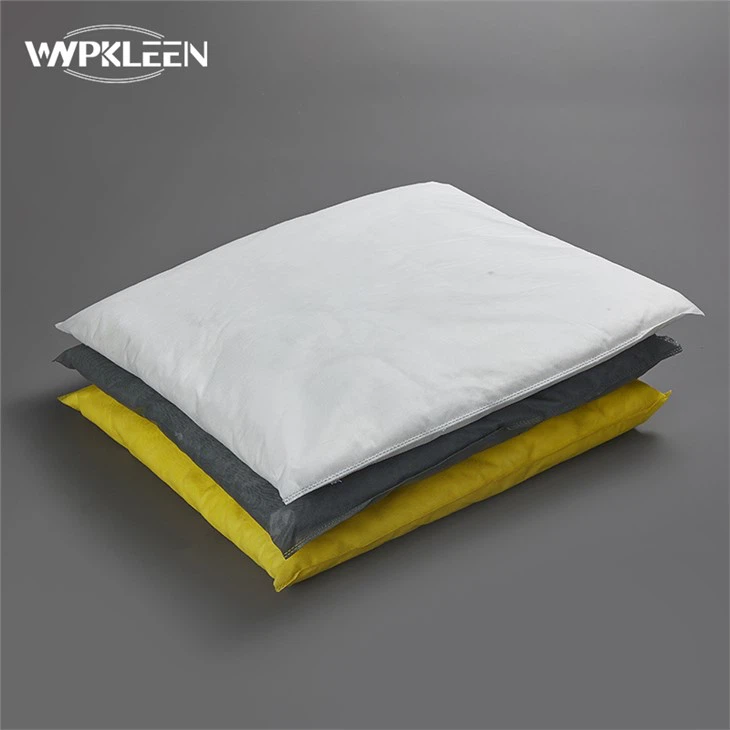
Now, as a supplier, we offer a variety of oil absorbent sheets to meet different needs. Our Absorbent Mats for Oil are designed to be highly absorbent and can handle large spills. They're made from high-quality polypropylene and are treated to reduce static buildup as much as possible.
We also have Cotton Absorbent Pad in our product range. Cotton is a natural material that has different electrical properties compared to polypropylene. Cotton is more conductive than polypropylene, which means that static charges are less likely to build up on its surface. These pads are great for applications where you need a more natural and static-resistant option.
So, to answer the question, "Are oil absorbent sheets static-free?" It's not a straightforward yes or no. Some oil absorbent sheets can have a tendency to build up static charges, especially if they're made from certain materials and used in dry environments. However, there are ways to make them more static-resistant, such as using special treatments or choosing materials like cotton.

If you're in the market for oil absorbent sheets and you're concerned about static electricity, it's important to choose the right product for your specific needs. Consider the environment in which the sheets will be used, the type of spills you need to clean up, and any safety requirements you might have.
We're here to help you make the right choice. Whether you're a small business owner looking for a cost-effective solution to clean up oil spills or a large corporation with strict safety standards, we've got the products and expertise to meet your needs. If you have any questions or want to discuss your requirements in more detail, don't hesitate to reach out. We'd love to have a chat with you and help you find the perfect oil absorbent sheets for your business.
References
- Principles of Physics by David Halliday, Robert Resnick, and Jearl Walker
- Handbook of Polymer Science and Technology edited by Herman F. Mark and James E. Mark


