

Can oil absorbent sheets be used in oil - storage tank farms?
Leave a message

As a supplier of Oil Absorbent Sheets, I often encounter inquiries about the applicability of these products in oil - storage tank farms. This blog aims to delve into this question, exploring the feasibility, benefits, and potential challenges of using oil absorbent sheets in such environments.
The Nature of Oil - Storage Tank Farms
Oil - storage tank farms are critical infrastructure in the petroleum industry. These facilities store large volumes of various types of oils, including crude oil, refined products, and lubricants. The tanks can range in size from small storage units to massive structures capable of holding millions of gallons of oil. Due to the high - value and potentially hazardous nature of the stored oil, safety and environmental protection are of utmost importance. Spills, leaks, and seepage can occur during operations such as loading, unloading, and tank maintenance. These incidents not only pose a risk of fire and explosion but also have significant environmental consequences if the oil is released into the surrounding soil or water bodies.
The Function of Oil Absorbent Sheets
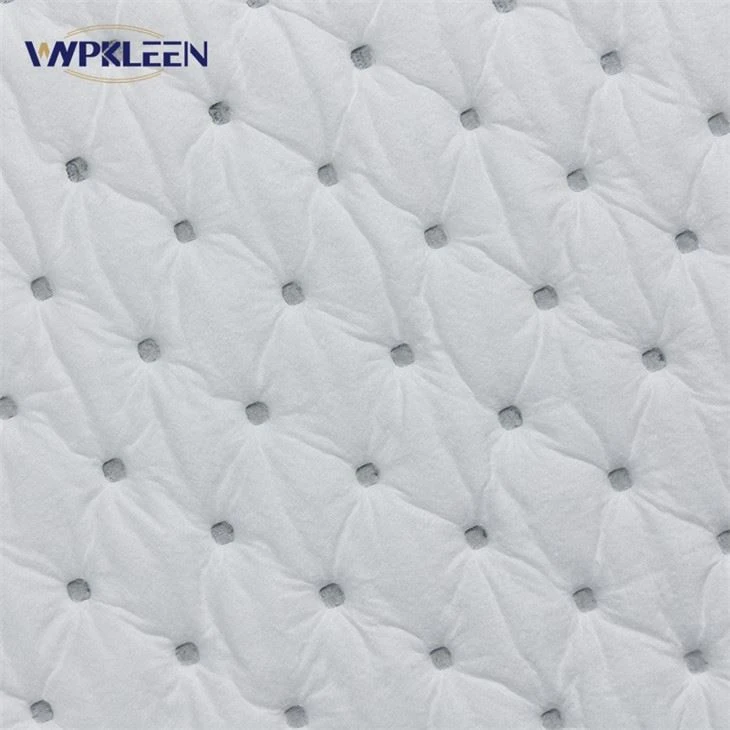
Oil absorbent sheets are designed to selectively absorb oil while repelling water. They are typically made from materials such as polypropylene, which has a high affinity for oil and can quickly soak up spills. The sheets come in various forms, including pads, rolls, and booms, and can be used in different applications. For example, the Oil Only Laminated Sorbent Pad is a specialized product that is highly effective in absorbing oil in both industrial and marine environments. It has a laminated structure that enhances its strength and durability, allowing it to withstand the rigors of use in oil - storage tank farms.

Feasibility of Using Oil Absorbent Sheets in Oil - Storage Tank Farms
- Spill Containment
One of the primary functions of oil absorbent sheets in oil - storage tank farms is spill containment. In the event of a minor spill or leak, the sheets can be quickly deployed to absorb the oil and prevent it from spreading. This is crucial for minimizing the environmental impact and reducing the risk of fire. For instance, if a valve leaks during a tank filling operation, placing an Industrial Oil Absorbent Sheet beneath the leak can absorb the oil before it reaches the ground. - Regular Maintenance
Oil absorbent sheets can also be used during regular maintenance activities. When tanks are being cleaned or inspected, there may be residual oil on the tank surfaces or in the surrounding areas. The sheets can be used to soak up this oil, ensuring a clean and safe working environment. Moreover, they can be used to clean up any oil that may have been spilled during the transfer of equipment or tools within the tank farm. - Environmental Protection
In addition to spill containment and maintenance, oil absorbent sheets play a vital role in environmental protection. By quickly absorbing oil spills, they prevent the oil from seeping into the soil or entering nearby water sources. This helps to protect the local ecosystem and comply with environmental regulations. For example, if there is a small spill near a water body adjacent to the tank farm, using oil absorbent sheets can prevent the oil from contaminating the water.
Benefits of Using Oil Absorbent Sheets
- Cost - Effectiveness
Compared to other spill - response methods, oil absorbent sheets are relatively inexpensive. They can be purchased in bulk at a reasonable cost, and their use can significantly reduce the cost of cleaning up spills. For example, instead of using expensive specialized equipment to clean up a small spill, a few oil absorbent pads can do the job effectively. - Ease of Use
Oil absorbent sheets are easy to handle and deploy. They can be quickly unrolled or placed in the affected area without the need for complex equipment or training. This makes them an ideal solution for immediate spill response, especially in situations where time is of the essence. - Versatility
The sheets come in different sizes and shapes, making them suitable for a wide range of applications in oil - storage tank farms. Whether it is a small leak in a corner or a larger spill on a tank platform, there is an appropriate oil absorbent product available. For example, the Water Absorbent Pad can be used in combination with oil absorbent sheets in areas where there is a mixture of water and oil.
Potential Challenges
- Capacity Limitations
While oil absorbent sheets are effective in absorbing small to medium - sized spills, they have limitations in terms of their absorption capacity. In the case of a large - scale spill, multiple sheets may need to be used, and there may still be a need for additional spill - response measures. For example, if a tank ruptures and releases a large volume of oil, the oil absorbent sheets alone may not be sufficient to contain the spill. - Disposal
Another challenge is the proper disposal of used oil absorbent sheets. Since they are saturated with oil, they are considered hazardous waste and need to be disposed of in accordance with environmental regulations. This can add to the overall cost of using the sheets, as there may be fees associated with hazardous waste disposal. - Weather Conditions
Extreme weather conditions can also affect the performance of oil absorbent sheets. In very cold weather, the oil may become more viscous, making it more difficult for the sheets to absorb. In hot and dry conditions, the sheets may dry out and lose their effectiveness. Therefore, it is important to consider the weather conditions when using oil absorbent sheets in oil - storage tank farms.
Recommendations for Using Oil Absorbent Sheets in Oil - Storage Tank Farms
- Proper Storage
Store the oil absorbent sheets in a dry and cool place to maintain their effectiveness. Make sure they are protected from moisture and sunlight, as these can degrade the materials over time. - Regular Inspection and Replacement
Regularly inspect the oil absorbent sheets to ensure they are in good condition. Replace any damaged or worn - out sheets to guarantee their performance in the event of a spill. - Training
Provide training to the staff working in the tank farm on the proper use of oil absorbent sheets. This includes how to deploy the sheets, how to handle them safely, and how to dispose of them properly.
Conclusion
In conclusion, oil absorbent sheets can be effectively used in oil - storage tank farms for spill containment, regular maintenance, and environmental protection. They offer numerous benefits, including cost - effectiveness, ease of use, and versatility. However, there are also potential challenges, such as capacity limitations, disposal issues, and the impact of weather conditions. By following the recommended practices and taking these challenges into account, oil absorbent sheets can be a valuable tool in ensuring the safety and environmental compliance of oil - storage tank farms.
If you are interested in purchasing high - quality oil absorbent sheets for your oil - storage tank farm or other industrial applications, please feel free to contact us for more information and to discuss your specific requirements. We are committed to providing the best products and services to meet your needs.
References
- "Petroleum Storage Tank Farm Safety and Environmental Guidelines", Industry Standard Publication
- "Spill Response and Management in the Oil and Gas Industry", Academic Research Journal
- "Properties and Applications of Oil Absorbent Materials", Technical Report


