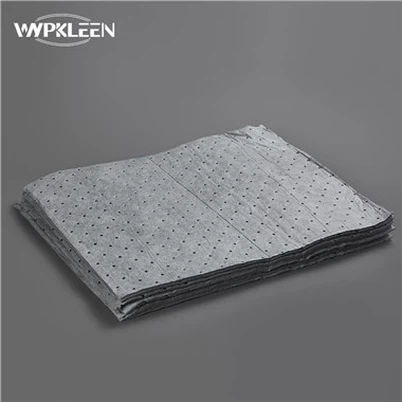

Are there sorbent pads for lubricant spills?
Leave a message

In industrial settings, lubricant spills are an all - too - common occurrence. These spills can pose a significant threat to the environment, workplace safety, and even the bottom line of businesses. As a sorbent pad supplier, I am frequently asked, "Are there sorbent pads for lubricant spills?" The answer is a resounding yes, and in this blog, I will delve into the various types of sorbent pads suitable for lubricant spills, their features, and how to choose the right one.
Understanding Lubricant Spills and Their Impact
Lubricants are used in a wide range of industries, from manufacturing and automotive to aerospace. They are essential for reducing friction, preventing wear and tear, and ensuring the smooth operation of machinery. However, when spills occur, they can lead to several problems. Lubricants can contaminate soil and water sources, posing a risk to the ecosystem. In the workplace, lubricant spills create slippery surfaces, increasing the risk of slips, trips, and falls, which can result in serious injuries to employees. Moreover, the cleanup of lubricant spills can be costly, both in terms of the materials used and the downtime required for the cleanup process.
Types of Sorbent Pads for Lubricant Spills
Cotton Absorbent Pad
Cotton absorbent pads are a popular choice for lubricant spills. These pads are made from natural cotton fibers, which are highly absorbent. They can quickly soak up lubricants, oil, and other liquids. One of the key advantages of Cotton Absorbent Pad is their environmental friendliness. Cotton is a renewable resource, and these pads can often be reused or recycled after use. They are also relatively soft, which makes them suitable for delicate surfaces where scratching is a concern.
Cotton absorbent pads are typically used in light - to - medium - duty applications. For example, in a small automotive repair shop, these pads can be used to clean up minor lubricant spills on the floor or on workbenches. They are also effective in absorbing lubricants from machinery parts during maintenance procedures.
Polypropylene Absorbent Pad
Polypropylene absorbent pads are another excellent option for lubricant spills. Polypropylene is a synthetic material that offers high absorbency and durability. Polypropylene Absorbent Pad can absorb large amounts of lubricant quickly and hold it securely, preventing leakage. These pads are resistant to chemicals and can withstand harsh environments, making them suitable for heavy - duty applications.
In industrial settings such as factories and refineries, polypropylene absorbent pads are often used to clean up large - scale lubricant spills. They can be placed under machinery to catch any drips or leaks, or used to cover large areas of spilled lubricant on the floor. Their durability also means that they can be used multiple times, which can result in cost savings over time.
Chemical Absorbent Pad
While lubricants are not typically considered highly corrosive chemicals, chemical absorbent pads can also be used for lubricant spills. Chemical Absorbent Pad are designed to handle a wide range of liquids, including lubricants, solvents, and acids. These pads are made from special materials that can neutralize or absorb the chemical properties of the spilled liquid.
Chemical absorbent pads are often used in industries where there is a risk of mixing different types of chemicals, including lubricants. For example, in a chemical processing plant, if a lubricant spill occurs near other chemical containers, a chemical absorbent pad can be used to prevent cross - contamination. These pads are also useful in situations where the lubricant may be mixed with other substances, such as water or cleaning agents.
Choosing the Right Sorbent Pad for Lubricant Spills
When choosing a sorbent pad for lubricant spills, several factors need to be considered.
Absorbency
The absorbency of the sorbent pad is crucial. It determines how much lubricant the pad can soak up before it becomes saturated. For large - scale spills, a high - absorbency pad such as a polypropylene absorbent pad is recommended. For smaller spills, a cotton absorbent pad may be sufficient.

Durability
The durability of the sorbent pad is also important, especially in industrial settings. Pads that are durable can withstand repeated use and rough handling. Polypropylene absorbent pads are known for their durability and are often the preferred choice for heavy - duty applications.

Compatibility
It is essential to ensure that the sorbent pad is compatible with the type of lubricant being spilled. Some lubricants may contain additives or chemicals that can react with certain materials. Chemical absorbent pads are designed to be compatible with a wide range of substances, making them a versatile option.
Cost - effectiveness
Cost is always a consideration in any business decision. While some sorbent pads may have a higher upfront cost, they may offer long - term savings through reuse or higher absorbency. It is important to evaluate the cost - effectiveness of each type of sorbent pad based on the specific needs of your business.
Best Practices for Using Sorbent Pads to Clean Up Lubricant Spills
Once you have chosen the right sorbent pad for your lubricant spill, it is important to follow best practices for cleanup.

Act Quickly
The faster you respond to a lubricant spill, the less damage it will cause. As soon as a spill is detected, place the sorbent pad on the spill area to start the absorption process.

Cover the Entire Spill Area
Make sure the sorbent pad covers the entire spill area to ensure maximum absorption. If the spill is large, you may need to use multiple pads.
Dispose of Used Pads Properly
Used sorbent pads should be disposed of properly according to local regulations. In some cases, the pads may be recyclable, while in others, they may need to be treated as hazardous waste.
Conclusion
In conclusion, there are indeed sorbent pads available for lubricant spills, and choosing the right one is essential for effective cleanup. Whether you opt for a Cotton Absorbent Pad, Polypropylene Absorbent Pad, or Chemical Absorbent Pad, each type has its own unique features and benefits.
As a sorbent pad supplier, I am committed to providing high - quality products that meet the diverse needs of our customers. If you are facing lubricant spills in your workplace and need to find the right sorbent pad solution, please feel free to contact us. We can help you select the most suitable sorbent pads for your specific situation and provide guidance on proper use and disposal.
References
- OSHA. (2023). Workplace Safety and Health Standards. Retrieved from [OSHA official website]
- EPA. (2023). Spill Prevention, Control, and Countermeasure (SPCC) Rule. Retrieved from [EPA official website]
- Industrial Lubrication Handbook. (2022). McGraw - Hill.