
Can airlaid paper be printed on?
Leave a message

Can airlaid paper be printed on? This is a question that often comes up in the industries where airlaid paper is used, such as packaging, hygiene products, and printing itself. As a leading supplier of airlaid paper, I am here to provide you with a comprehensive answer.
Understanding Airlaid Paper
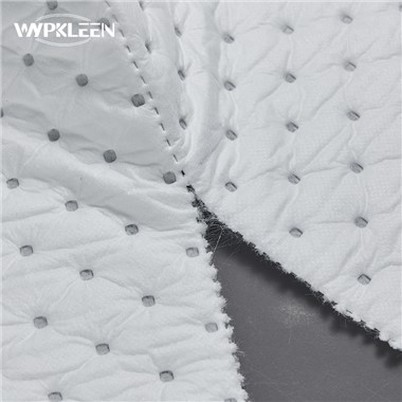
Before delving into the printability of airlaid paper, it's essential to understand what airlaid paper is. Airlaid paper is a non - woven material made from cellulose fibers or a blend of cellulose and synthetic fibers. The manufacturing process involves dispersing the fibers in an air stream and then bonding them together, either through thermal, chemical, or mechanical means.
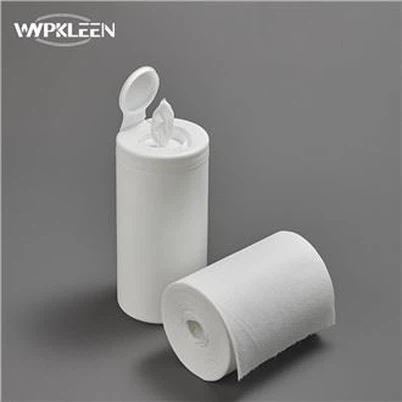
There are different types of airlaid paper available in the market. For instance, Nonwoven Airlaid Paper is known for its high absorbency and softness, making it suitable for applications like hygiene products such as baby wipes and feminine care products. Airlaid Tissue Paper is often used in packaging and tissue products due to its strength and flexibility. And Airlaid Paper Wipe is a popular choice for cleaning and wiping applications because of its excellent absorbency.
Factors Affecting Printability
The printability of airlaid paper depends on several factors.
Fiber Composition
The type of fibers used in airlaid paper plays a crucial role. Cellulose fibers, which are commonly used, have good ink - holding properties. They can absorb ink well, resulting in clear and sharp prints. However, if the airlaid paper contains a high proportion of synthetic fibers, the printability may be affected. Synthetic fibers may not absorb ink as readily as cellulose fibers, leading to issues such as ink spreading or poor adhesion.

Surface Smoothness
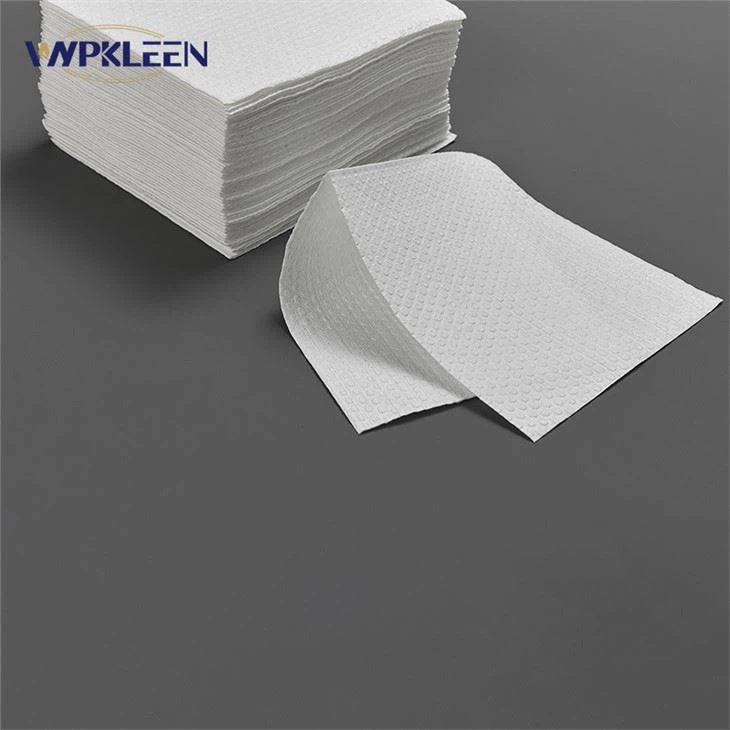
The smoothness of the airlaid paper surface is another important factor. A smoother surface allows for better contact between the printing plate or inkjet nozzle and the paper, resulting in more accurate and detailed prints. Airlaid paper with a rough surface may cause the ink to be unevenly distributed, leading to blurred or patchy prints.
Porosity
Porosity refers to the amount of open space between the fibers in the paper. High - porosity airlaid paper can absorb ink quickly, which is beneficial for some printing methods. However, if the porosity is too high, the ink may penetrate too deeply into the paper, causing the colors to appear dull or the print to bleed. On the other hand, low - porosity airlaid paper may not absorb the ink fast enough, leading to smudging.
Printing Methods for Airlaid Paper
There are several printing methods that can be used on airlaid paper.
Offset Printing
Offset printing is a widely used commercial printing method. In offset printing, the ink is transferred from a printing plate to a rubber blanket and then onto the airlaid paper. This method is suitable for large - volume printing jobs and can produce high - quality prints with sharp details and vibrant colors. However, offset printing requires a relatively smooth paper surface. If the airlaid paper has a rough surface, the ink transfer may not be uniform, resulting in uneven prints.
Flexographic Printing
Flexographic printing is another popular method for printing on airlaid paper. It uses a flexible printing plate made of rubber or photopolymer. The ink is applied to the plate, and then transferred to the paper. Flexographic printing is known for its ability to print on a variety of substrates, including airlaid paper with different surface characteristics. It is also suitable for printing large - format designs and can be used for both high - and low - volume printing jobs.
Inkjet Printing
Inkjet printing is a digital printing method that sprays tiny droplets of ink onto the paper. It is a versatile printing method that can be used for short - run printing, variable data printing, and on - demand printing. Inkjet printing is particularly suitable for airlaid paper because it can adjust the ink deposition according to the paper's characteristics. However, the quality of inkjet prints on airlaid paper may depend on the type of ink used and the paper's absorbency.
Applications of Printed Airlaid Paper
Printed airlaid paper has a wide range of applications.
Packaging
In the packaging industry, printed airlaid paper can be used to create eye - catching labels, inserts, and wrapping materials. The ability to print high - quality graphics and text on airlaid paper allows companies to enhance their brand image and product visibility. For example, a food company may use printed airlaid paper to create attractive packaging for its products, with detailed product information and branding elements.
Hygiene Products
In the hygiene products industry, printed airlaid paper can be used for marketing and branding purposes. Baby wipes, for instance, can be printed with cute designs or brand logos to make them more appealing to consumers. Feminine care products can also feature printed information about the product's features and usage instructions.
Advertising and Promotion
Printed airlaid paper can be used for advertising and promotional materials. Flyers, brochures, and posters made from airlaid paper can be an effective way to reach out to customers. The unique texture and appearance of airlaid paper can make these promotional materials stand out from the competition.
Case Studies
Let's take a look at some real - world examples of printing on airlaid paper.
A leading baby wipe manufacturer decided to enhance the visual appeal of its products by printing cute animal designs on the airlaid paper wipes. They used flexographic printing, which allowed them to print high - quality designs on a large scale. The printed wipes were well - received by consumers, leading to an increase in sales.
A packaging company used offset printing to print detailed product information and branding elements on airlaid tissue paper for a luxury cosmetic brand. The smooth surface of the airlaid tissue paper ensured that the prints were sharp and vibrant, enhancing the overall look and feel of the packaging.
Conclusion
In conclusion, airlaid paper can be printed on, but the printability depends on various factors such as fiber composition, surface smoothness, and porosity. Different printing methods, including offset printing, flexographic printing, and inkjet printing, can be used to achieve different printing effects. Printed airlaid paper has a wide range of applications in packaging, hygiene products, and advertising.
If you are interested in using airlaid paper for your printing needs, we are here to help. As a professional airlaid paper supplier, we can provide you with high - quality airlaid paper that is suitable for printing. Our team of experts can also offer advice on the best printing methods and techniques for your specific requirements. Contact us to start a discussion about your airlaid paper procurement and printing projects.
References
- "Nonwoven Materials: Structure, Properties, and Applications" by Xungai Wang and W. Richard Hearle
- "Printing Technology: Principles and Practices" by John C. Dolezal
- Industry reports on airlaid paper and printing technologies