
Can airlaid paper be used in the construction industry?
Leave a message

In recent years, the construction industry has been constantly on the lookout for innovative materials that can enhance efficiency, sustainability, and cost - effectiveness. As a supplier of airlaid paper, I often get asked the question: "Can airlaid paper be used in the construction industry?" In this blog post, I will explore the potential applications of airlaid paper in construction, its benefits, and some considerations for its use.


What is Airlaid Paper?
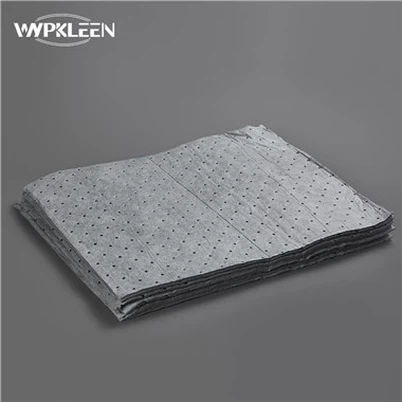
Airlaid paper is a non - woven material made from natural or synthetic fibers that are dispersed in an air stream and then bonded together using heat, adhesives, or mechanical means. This manufacturing process results in a highly porous and absorbent material with unique properties. There are different types of airlaid paper products available, such as Airlaid Tissue Paper, Airlaid Paper Wipe, and Multipurpose Paper Wipe Roll.
Potential Applications in the Construction Industry
Moisture Management
One of the significant challenges in construction is managing moisture. Excess moisture can lead to mold growth, wood rot, and structural damage. Airlaid paper's high absorbency makes it an ideal candidate for moisture management. It can be used as a moisture barrier or a wicking material. For example, it can be placed between layers of insulation to absorb any moisture that might penetrate the building envelope. In basements, airlaid paper can be installed on the walls to prevent water seepage and keep the interior dry.
Insulation Enhancement
Airlaid paper can also contribute to the insulation properties of a building. The porous structure of airlaid paper traps air, which is a poor conductor of heat. When used in combination with traditional insulation materials like fiberglass or cellulose, airlaid paper can improve the overall thermal performance of the insulation system. It can fill small gaps and voids, reducing air leakage and heat transfer.
Dust and Debris Control
During the construction process, a large amount of dust and debris is generated. Airlaid paper wipes can be used for cleaning and dust control. They are strong enough to pick up dirt and debris, and their absorbent nature allows them to hold liquids, making them suitable for cleaning up spills as well. The Airlaid Paper Wipe is designed to be durable and effective in a construction environment.
Packaging and Protection
Construction materials often need to be protected during transportation and storage. Airlaid paper can be used as a packaging material due to its cushioning and protective properties. It can prevent scratches and damage to delicate building components such as glass panels, tiles, and fixtures. Its lightweight nature also means that it does not add significant weight to the packaged items, reducing transportation costs.
Benefits of Using Airlaid Paper in Construction
Sustainability
Airlaid paper is often made from renewable resources such as wood pulp. It is also biodegradable, which makes it an environmentally friendly choice for the construction industry. As the construction sector is increasingly focusing on sustainable building practices, airlaid paper can help meet these requirements.
Cost - Effectiveness
Compared to some traditional construction materials, airlaid paper is relatively inexpensive. Its versatility means that it can replace multiple materials in different applications, resulting in cost savings. For example, using airlaid paper for moisture management and insulation enhancement can reduce the need for more expensive specialized products.
Ease of Installation
Airlaid paper is lightweight and easy to handle, which simplifies the installation process. It can be cut to size easily using common tools, and it can be installed by construction workers with minimal training. This reduces labor costs and installation time.
Considerations for Using Airlaid Paper in Construction
Durability
While airlaid paper has many advantages, its durability can be a concern in some construction applications. In areas with high traffic or where it may be exposed to physical damage, additional protection or reinforcement may be required. For example, if used as a moisture barrier in a high - traffic area, it may need to be covered with a more robust material to prevent tearing.
Compatibility
It is essential to ensure that airlaid paper is compatible with other construction materials. For example, when used in combination with insulation materials, it should not react chemically with them or affect their performance negatively. Before using airlaid paper in a specific application, it is advisable to conduct compatibility tests.
Fire Resistance
In some construction projects, fire resistance is a critical factor. Standard airlaid paper may not have high fire - resistant properties. However, there are fire - retardant treated airlaid paper products available in the market. When fire safety is a concern, it is necessary to choose the appropriate fire - resistant airlaid paper.
Conclusion
In conclusion, airlaid paper has significant potential for use in the construction industry. Its unique properties such as high absorbency, insulation capabilities, and ease of use make it suitable for various applications, including moisture management, insulation enhancement, dust control, and packaging. While there are some considerations such as durability, compatibility, and fire resistance, with proper selection and installation, airlaid paper can offer a cost - effective and sustainable solution for construction projects.
If you are a construction professional or involved in a construction project and are interested in exploring the use of airlaid paper, I encourage you to contact us for more information. We can provide samples and technical support to help you determine the best airlaid paper products for your specific needs. Let's work together to bring innovation and sustainability to your construction projects.
References
- "Non - Woven Materials in Construction: A Review" by Journal of Construction Materials
- "Moisture Management in Buildings" by Building Science Corporation
- "Insulation Technology and Applications" by McGraw - Hill Education