
Can airlaid paper be used in the electronics industry?
Leave a message

Airlaid paper, a versatile and innovative material, has found its way into numerous industries, from hygiene products to packaging. As an airlaid paper supplier, I often get asked about its potential applications in the electronics industry. In this blog post, I'll explore whether airlaid paper can indeed be used in the electronics sector, highlighting its properties, advantages, and possible use cases.
Understanding Airlaid Paper
Before delving into its applications in the electronics industry, let's first understand what airlaid paper is. Airlaid paper is a nonwoven material made from cellulose fibers, synthetic fibers, or a combination of both. The manufacturing process involves dispersing the fibers in an air stream and then bonding them together using heat, chemicals, or mechanical means. This results in a material that is soft, absorbent, and has excellent strength and durability.
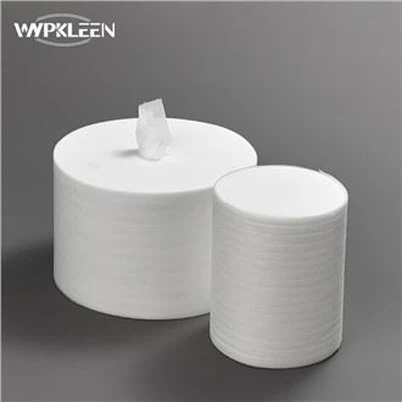
There are different types of airlaid paper available, each with its own unique properties and characteristics. For example, Airlaid Tissue Paper is a lightweight and highly absorbent material, while Nonwoven Airlaid Paper offers greater strength and durability. Multipurpose Paper Wipe Roll is another popular type, which is often used for cleaning and wiping applications.


Properties of Airlaid Paper Suitable for Electronics
Several properties of airlaid paper make it a potential candidate for use in the electronics industry.
Absorbency
One of the key properties of airlaid paper is its high absorbency. In the electronics industry, this can be useful for applications where moisture control is crucial. For example, during the manufacturing process, electronic components may be exposed to moisture, which can cause corrosion and damage. Airlaid paper can be used to absorb any excess moisture, protecting the components from harm.
Softness
Airlaid paper is also known for its softness, which makes it ideal for use in applications where delicate electronic components need to be handled. When cleaning or wiping electronic devices, a soft material like airlaid paper can prevent scratches and damage to the surface of the components.
Strength and Durability
Despite its softness, airlaid paper is surprisingly strong and durable. It can withstand repeated handling and use without tearing or breaking, making it suitable for use in applications where a high level of durability is required.
Chemical Resistance
Many airlaid papers are resistant to chemicals, which is an important property in the electronics industry. Electronic components are often exposed to various chemicals during the manufacturing process, and a material that can resist these chemicals is essential to ensure the longevity and performance of the components.
Potential Applications of Airlaid Paper in the Electronics Industry
Based on its properties, airlaid paper has several potential applications in the electronics industry.
Cleaning and Wiping
One of the most obvious applications of airlaid paper in the electronics industry is for cleaning and wiping. Electronic devices and components need to be kept clean to ensure optimal performance. Airlaid paper wipes can be used to clean the surfaces of electronic devices, removing dust, dirt, and fingerprints. The softness of the paper ensures that the delicate surfaces of the devices are not scratched or damaged during the cleaning process.
Packaging
Airlaid paper can also be used in the packaging of electronic products. Its absorbent properties make it an ideal material for protecting electronic components from moisture during shipping and storage. Additionally, the softness of the paper can provide cushioning, protecting the components from damage due to impact or vibration.
Insulation
In some cases, airlaid paper can be used as an insulating material in electronic devices. Its low thermal conductivity can help to reduce heat transfer, improving the energy efficiency of the devices. Additionally, the paper can provide electrical insulation, preventing short circuits and other electrical problems.
Filtering
Airlaid paper can be used as a filtering material in electronic devices. Its porous structure allows it to trap dust, dirt, and other particles, preventing them from entering the device and causing damage. This is particularly important in devices such as computers and servers, where dust can accumulate and cause overheating.
Challenges and Considerations
While airlaid paper has many potential applications in the electronics industry, there are also some challenges and considerations that need to be addressed.
Static Electricity
One of the main challenges is the generation of static electricity. Electronic components are very sensitive to static electricity, which can cause damage to the components. Airlaid paper can generate static electricity when it is rubbed against other materials, so it is important to use anti-static treatments or additives to reduce the risk of static discharge.
Compatibility with Electronic Components
Another consideration is the compatibility of airlaid paper with electronic components. Some chemicals or additives used in the manufacturing of airlaid paper may react with the electronic components, causing damage or reducing their performance. It is important to ensure that the airlaid paper is compatible with the specific electronic components and manufacturing processes.
Cost
Cost is also an important factor to consider. While airlaid paper is a relatively inexpensive material, the cost of using it in the electronics industry may be higher due to the need for special treatments or additives. It is important to weigh the benefits of using airlaid paper against the cost to determine whether it is a cost-effective solution.
Conclusion
In conclusion, airlaid paper has significant potential for use in the electronics industry. Its properties, such as absorbency, softness, strength, and chemical resistance, make it suitable for a variety of applications, including cleaning, packaging, insulation, and filtering. However, there are also some challenges and considerations that need to be addressed, such as static electricity, compatibility with electronic components, and cost.
As an airlaid paper supplier, I am committed to working with electronics manufacturers to develop innovative solutions that meet their specific needs. If you are interested in exploring the potential of airlaid paper for your electronics applications, I encourage you to contact me to discuss your requirements and explore the possibilities. We can work together to develop customized solutions that offer the best performance and value for your business.
References
- ASTM International. (2023). Standard Test Methods for Nonwoven Fabrics. Retrieved from ASTM website.
- Smith, J. (2022). Nonwoven Materials in the Electronics Industry. Journal of Electronic Materials, 51(3), 1234 - 1245.
- Johnson, R. (2021). Advances in Airlaid Paper Technology. Textile Research Journal, 91(11), 1345 - 1356.