

Can Nonwoven Airlaid Paper be used for food packaging?
Leave a message

Hey there! As a supplier of Nonwoven Airlaid Paper, I often get asked if this type of paper can be used for food packaging. It's a great question, and in this blog post, I'll dive deep into the topic to give you a comprehensive answer.
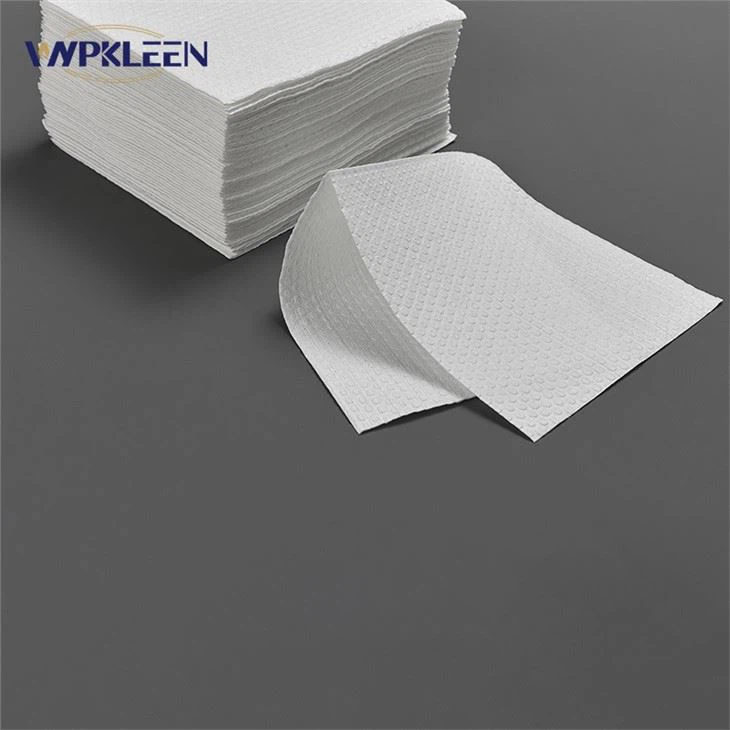
First off, let's talk a bit about what Nonwoven Airlaid Paper is. Nonwoven Airlaid Paper is a unique material that's created through an air-laid process. Unlike traditional paper, which is made by wet-laying fibers, airlaid paper is formed by dispersing fibers in air and then bonding them together. This results in a paper that's strong, absorbent, and has a soft texture. You can learn more about it here.
Now, when it comes to using Nonwoven Airlaid Paper for food packaging, there are several factors to consider. One of the most important aspects is safety. The paper needs to meet certain food safety standards to ensure that it doesn't contaminate the food it's packaging.
Safety Standards
Food safety is no joke. In many countries, there are strict regulations regarding the materials that can come into contact with food. These regulations typically focus on things like the presence of harmful chemicals, heavy metals, and microorganisms.
Nonwoven Airlaid Paper can be made to meet these safety standards. For example, if the paper is made from virgin wood pulp and uses food-safe adhesives and additives, it can be considered safe for food contact. However, it's crucial to work with a reliable supplier who can provide you with the necessary certifications to prove that the paper meets the required safety standards.
Absorbency and Moisture Control
Another advantage of using Nonwoven Airlaid Paper for food packaging is its absorbency. Many types of food, such as fresh produce, meat, and seafood, release moisture during storage and transportation. If this moisture isn't properly managed, it can lead to spoilage and the growth of bacteria.
Nonwoven Airlaid Paper can absorb excess moisture, helping to keep the food fresh for longer. This is especially important for products that are sold in sealed packages, as it can prevent the formation of condensation inside the package. You can check out Airlaid Tissue Paper, which is a type of airlaid paper that's known for its high absorbency.
Strength and Durability
Food packaging needs to be strong enough to protect the food during handling and transportation. Nonwoven Airlaid Paper has good strength and tear resistance, which makes it suitable for a variety of food packaging applications.
It can withstand the rigors of the packaging process, such as folding, sealing, and stacking. Additionally, the paper can provide a barrier against physical damage, such as punctures and abrasions. This helps to ensure that the food remains intact and protected until it reaches the consumer.
Printability
In today's competitive market, branding and product information are crucial. Nonwoven Airlaid Paper can be easily printed on, allowing you to add your logo, product details, and other marketing messages to the packaging.
This not only helps to promote your brand but also provides important information to the consumers, such as ingredients, nutritional facts, and usage instructions. The paper's smooth surface allows for high-quality printing, resulting in clear and vibrant images.
Environmental Considerations
In recent years, there has been a growing demand for sustainable packaging solutions. Nonwoven Airlaid Paper can be a great option in this regard. It's often made from renewable resources, such as wood pulp, and can be recycled or composted at the end of its life cycle.
Using Nonwoven Airlaid Paper for food packaging can help to reduce your environmental impact and meet the expectations of environmentally conscious consumers.
Applications in Food Packaging
Nonwoven Airlaid Paper can be used in a wide range of food packaging applications. Here are some examples:
- Fresh Produce Packaging: It can be used as a liner in fruit and vegetable trays to absorb moisture and keep the produce fresh.
- Meat and Seafood Packaging: The paper can be used as a absorbent pad under meat and seafood to soak up excess blood and juices.
- Bakery Products Packaging: It can be used as a wrapping paper for bread, pastries, and other baked goods, providing a protective barrier and helping to maintain freshness.
- Snack Packaging: Nonwoven Airlaid Paper can be used to package snacks, such as chips and nuts, providing a lightweight and durable packaging solution.
Limitations
While Nonwoven Airlaid Paper has many advantages for food packaging, it also has some limitations. For example, it may not be suitable for packaging foods that require a high level of oxygen or moisture barrier. In such cases, additional layers or coatings may be needed to enhance the paper's barrier properties.
Also, the cost of Nonwoven Airlaid Paper can be higher compared to some traditional packaging materials. However, the benefits in terms of food safety, absorbency, and printability may outweigh the additional cost for many businesses.

Conclusion
So, can Nonwoven Airlaid Paper be used for food packaging? The answer is yes, but it depends on several factors. If the paper meets the necessary safety standards, has the right properties for the specific food product, and fits within your budget, it can be a great choice for food packaging.
As a supplier of Nonwoven Airlaid Paper, I'm here to help you find the best solution for your food packaging needs. Whether you're looking for a sustainable option, a high-absorbency paper, or a paper that can be easily printed on, we've got you covered.
If you're interested in learning more about our Nonwoven Airlaid Paper or discussing your food packaging requirements, feel free to reach out. We'd love to have a chat and see how we can work together to create the perfect packaging solution for your products. You can also check out our Multipurpose Paper Wipe Roll for other potential applications.
References
- Food and Agriculture Organization of the United Nations (FAO). (Year). Guidelines for food packaging safety.
- European Union. (Year). Regulations on food contact materials.
- American Society for Testing and Materials (ASTM). (Year). Standards for food packaging materials.


