
Can oil spill absorbent pads be used in cold storage facilities?
Leave a message

Can oil spill absorbent pads be used in cold storage facilities?
As a supplier of oil spill absorbent pads, I often get asked about the versatility and applicability of our products in various environments. One question that has come up more frequently lately is whether oil spill absorbent pads can be used in cold storage facilities. In this blog post, I'll delve into the technical aspects, advantages, and potential challenges of using these pads in such low - temperature settings.
Understanding Oil Spill Absorbent Pads
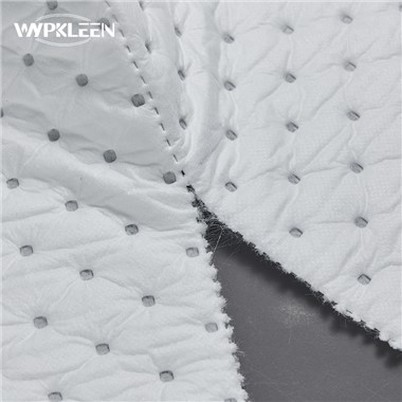
Before we discuss their use in cold storage, let's briefly understand what oil spill absorbent pads are. These pads are designed to quickly and effectively soak up oil and other hydrocarbon - based liquids. They are made from a variety of materials, including polypropylene, cellulose, and cotton. Each material has its own set of properties, such as absorption capacity, rate of absorption, and resistance to chemicals.
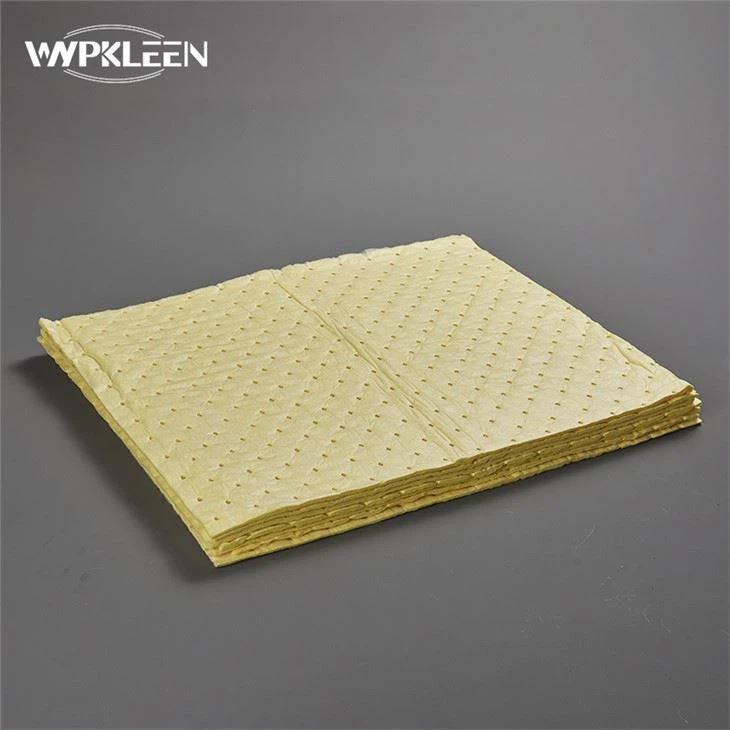

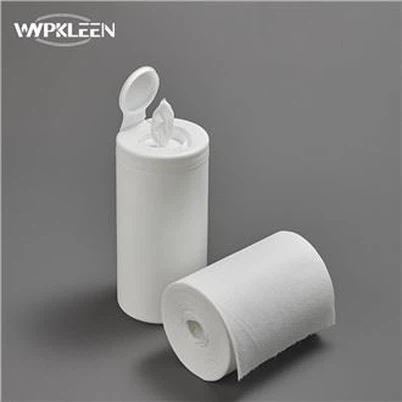
For instance, Cotton Absorbent Pad is a popular choice due to its natural fibers, which are highly absorbent and environmentally friendly. Medical Absorbent Pad is engineered to meet strict hygiene standards, often used in healthcare settings but can also have applications in other industries where cleanliness is crucial. Chemical Absorbent Pad is specifically formulated to handle a wide range of chemicals, including acids and solvents.
Conditions in Cold Storage Facilities
Cold storage facilities typically maintain temperatures well below room temperature, sometimes as low as - 20°C or even lower. These low temperatures can have a significant impact on the physical and chemical properties of materials. For example, some materials may become brittle, lose their flexibility, or experience a reduced absorption rate at low temperatures.
Advantages of Using Oil Spill Absorbent Pads in Cold Storage
- Spill Containment: Oil spills can occur in cold storage facilities from machinery, such as forklifts, refrigeration units, or hydraulic systems. Absorbent pads can quickly contain these spills, preventing the oil from spreading and potentially causing damage to the floor, equipment, or stored products.
- Safety: Oil on the floor of a cold storage facility can create a slippery surface, increasing the risk of slips, trips, and falls. By using absorbent pads to clean up spills promptly, the safety of employees can be significantly improved.
- Compliance: Many industries are subject to strict environmental regulations regarding the management of oil spills. Using absorbent pads helps ensure that facilities remain in compliance with these regulations.
Technical Considerations
- Material Selection: Not all absorbent pad materials are suitable for use in cold storage. Polypropylene pads are generally a good choice as they remain flexible at low temperatures. Cellulose pads, on the other hand, may become brittle and less effective in absorbing oil in cold conditions.
- Absorption Rate: The absorption rate of absorbent pads can be affected by temperature. In colder environments, the viscosity of oil increases, which may slow down the absorption process. However, high - quality pads are designed to overcome these challenges and still provide effective absorption.
- Storage and Handling: Absorbent pads should be stored in a dry and relatively warm area before use in cold storage. This helps maintain their performance and prevents any damage that could occur due to prolonged exposure to cold temperatures.
Potential Challenges
- Frost and Ice Formation: In extremely cold conditions, there is a risk of frost or ice forming on the absorbent pads. This can reduce their absorption capacity and make them less effective in cleaning up spills.
- Static Electricity: Cold and dry environments can generate static electricity, which may cause the absorbent pads to stick together or to other surfaces. This can make handling and deployment of the pads more difficult.
Testing and Quality Assurance
To ensure that our oil spill absorbent pads are suitable for use in cold storage facilities, we conduct extensive testing. We expose the pads to low - temperature conditions similar to those found in cold storage and measure their absorption capacity, flexibility, and other performance indicators. Our quality control processes ensure that only the highest - quality pads are released to the market.
Case Studies
We have worked with several clients in the cold storage industry who have successfully used our absorbent pads. For example, a large food cold storage facility was experiencing regular oil spills from their forklift fleet. After implementing our polypropylene absorbent pads, they were able to quickly and effectively clean up spills, reducing the risk of product contamination and improving overall safety in the facility.
Conclusion
In conclusion, oil spill absorbent pads can be used in cold storage facilities, but careful consideration must be given to material selection, storage, and handling. By choosing the right pads and following best practices, facilities can effectively manage oil spills and maintain a safe and clean working environment.
If you are in the cold storage industry or any other industry that requires effective spill management, I encourage you to reach out to us to discuss your specific needs. Our team of experts can provide you with detailed information about our products and help you find the best solution for your facility.
References
- ASTM International standards for absorbent materials
- Industry reports on spill management in cold storage facilities
- Internal research and development data from our company on absorbent pad performance in low - temperature conditions