Can oil spill absorbent pads be used to clean up lubricating oil spills?
Leave a message

Can oil spill absorbent pads be used to clean up lubricating oil spills?
As a supplier of Oil Spill Absorbent Pads, I've encountered numerous inquiries regarding the effectiveness of these pads in cleaning up various oil spills, especially lubricating oil spills. In this blog, I'll delve into the science behind oil spill absorbent pads and their suitability for lubricating oil cleanup.


Understanding Oil Spill Absorbent Pads
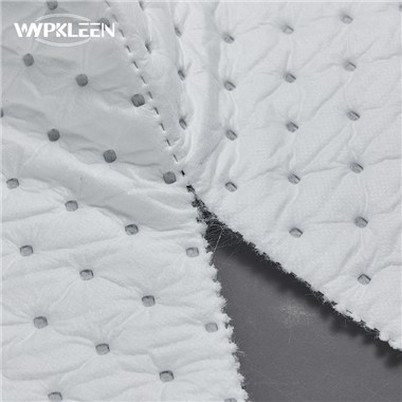
Oil spill absorbent pads are designed to soak up oil and other petroleum - based liquids while repelling water. They are typically made from materials such as polypropylene, which has a high affinity for oil. Polypropylene fibers have a unique molecular structure that allows them to attract and hold oil molecules through capillary action.
There are different types of oil spill absorbent pads available in the market. The Industrial Oil Absorbent Sheet is a popular choice for large - scale industrial oil spills. It has a large surface area, which enables it to absorb a significant amount of oil quickly. The Polypropylene Absorbent Pad is another common option. It is lightweight, flexible, and can be easily cut into different shapes to fit various spill scenarios. And for spills involving chemicals along with oil, the Chemical Absorbent Pad is designed to handle a wider range of substances.
Lubricating Oil Characteristics
Lubricating oil is a complex mixture of hydrocarbons and additives. Its primary function is to reduce friction and wear between moving parts in machinery. Lubricating oils come in different viscosities, from thin, light - weight oils to thick, heavy - duty ones. The viscosity of the lubricating oil affects its flow properties and how easily it can be absorbed by the pads.
Light - weight lubricating oils have lower viscosities and flow more easily. They spread quickly when spilled, covering a larger area. These oils are generally easier to absorb because they can penetrate the pores of the absorbent pads more readily. On the other hand, heavy - duty lubricating oils have higher viscosities. They are thicker and tend to stick to surfaces, making them more challenging to clean up. However, with the right type of absorbent pad, even heavy - duty lubricating oil spills can be managed effectively.
Absorption Mechanism of Pads for Lubricating Oil
When an oil spill absorbent pad comes into contact with lubricating oil, the polypropylene fibers start to attract the oil molecules. The capillary action within the pad pulls the oil into the pad's structure. As the oil is absorbed, it fills the voids between the fibers, and the pad becomes saturated.
The absorption capacity of the pad depends on several factors. Firstly, the type of pad material plays a crucial role. Polypropylene pads have a high absorption capacity for lubricating oil due to their hydrophobic (water - repelling) and oleophilic (oil - attracting) nature. Secondly, the thickness and density of the pad also matter. Thicker and denser pads generally have a higher absorption capacity but may be slower to absorb the oil initially.
Advantages of Using Absorbent Pads for Lubricating Oil Spills
- Efficiency: Oil spill absorbent pads can quickly soak up lubricating oil, preventing it from spreading further. This helps to minimize the damage to the surrounding environment and equipment.
- Versatility: They can be used in various settings, including industrial workshops, automotive garages, and manufacturing plants. Whether it's a small drip or a large - scale spill, absorbent pads can be an effective solution.
- Safety: Using absorbent pads reduces the risk of slips and falls caused by lubricating oil on the floor. This is especially important in workplaces where safety is a top priority.
- Ease of Use: Absorbent pads are easy to handle. They can be simply placed on the spill, and the oil will be absorbed without the need for complex equipment or procedures.
Considerations When Using Absorbent Pads for Lubricating Oil Spills
- Spill Size: For small spills, a few absorbent pads may be sufficient. However, for larger spills, multiple pads or larger - sized pads may be required. It's important to assess the size of the spill accurately before choosing the appropriate number and type of pads.
- Containment: In some cases, it may be necessary to contain the spill first to prevent the lubricating oil from spreading. This can be done using barriers or booms before applying the absorbent pads.
- Disposal: Once the pads are saturated with lubricating oil, they need to be disposed of properly. In many regions, used absorbent pads are considered hazardous waste and must be disposed of according to local regulations.
Real - World Applications
In industrial settings, oil spill absorbent pads are widely used to clean up lubricating oil spills. For example, in a manufacturing plant where large machinery is in operation, lubricating oil spills are common. Workers can quickly grab an absorbent pad and place it on the spill to prevent any disruptions to the production process.
In automotive garages, absorbent pads are used to clean up oil leaks from cars. Whether it's a minor oil drip from an engine or a more significant spill during an oil change, absorbent pads provide a convenient and effective cleaning solution.
Conclusion
In conclusion, oil spill absorbent pads can indeed be used to clean up lubricating oil spills. Their unique properties, such as high oil - absorption capacity and water - repellency, make them well - suited for this task. Whether it's light - weight or heavy - duty lubricating oil, with the right type of pad and proper handling, lubricating oil spills can be managed efficiently.
If you are facing lubricating oil spill issues in your workplace or need reliable oil spill absorbent pads, we are here to help. Our range of high - quality pads can meet your specific requirements. Contact us to discuss your needs and explore the best solutions for your oil spill cleanup challenges.
References
- ASTM International. (20XX). Standard test methods for evaluating the performance of sorbents used in response to oil spills.
- Environmental Protection Agency. (20XX). Guidelines for oil spill cleanup and waste management.
- Smith, J. (20XX). The science of oil absorption materials. Journal of Environmental Science and Technology.