
Can sorbent pads absorb oil?
Leave a message

Can sorbent pads absorb oil? This is a question that many industries dealing with oil spills or oil - related operations often ask. As a sorbent pad supplier, I have in - depth knowledge and extensive experience in this field, and I'm here to provide a comprehensive answer.
Understanding Sorbent Pads
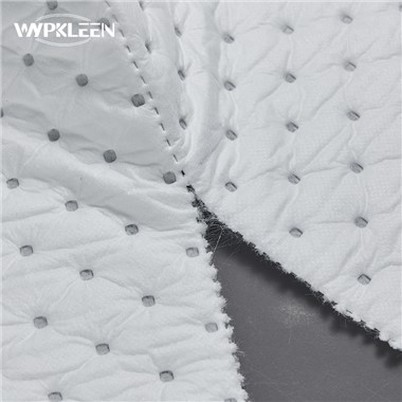
Sorbent pads are designed to soak up liquids. They come in various types, each tailored to specific absorption needs. The most common materials used in sorbent pads include polypropylene, cellulose, and some synthetic polymers. These materials have unique physical and chemical properties that determine their absorption capabilities.
Polypropylene is a popular choice for sorbent pads. Polypropylene Absorbent Pad is known for its high - oil affinity. Its non - polar molecular structure allows it to attract and hold oil molecules effectively. When oil comes into contact with a polypropylene sorbent pad, the oil molecules adhere to the surface of the pad and are drawn into the pores of the material through capillary action.
Cellulose - based sorbent pads, on the other hand, are more hydrophilic. They are better at absorbing water and water - based solutions. Water Absorbent Pad made from cellulose can quickly soak up water but may not be as effective in absorbing oil. However, in some cases where the oil is mixed with a large amount of water, cellulose pads can still play a role in the initial cleanup by removing the water component.
The Science Behind Oil Absorption
The ability of sorbent pads to absorb oil is based on several scientific principles. One of the key factors is the intermolecular forces between the sorbent material and the oil. Oil is a non - polar substance, which means it has no significant positive or negative charges. Polypropylene, being non - polar as well, has a strong affinity for oil due to the London dispersion forces. These forces are weak intermolecular attractions that occur between non - polar molecules. When the polypropylene sorbent pad comes into contact with oil, the London dispersion forces cause the oil molecules to be attracted to the polypropylene fibers, leading to absorption.
Another important principle is capillary action. Sorbent pads are typically made up of a network of fine fibers or pores. When oil comes into contact with the pad, it is drawn into these pores by capillary action. Capillary action is the ability of a liquid to flow in narrow spaces without the assistance of, or even in opposition to, external forces like gravity. The smaller the pores in the sorbent pad, the stronger the capillary action, and the more effectively the pad can absorb oil.
Testing the Oil - Absorbing Capacity
In the laboratory, we conduct various tests to determine the oil - absorbing capacity of our sorbent pads. One common method is the immersion test. In this test, a pre - weighed sorbent pad is immersed in a container of oil for a specific period. After the immersion, the pad is removed, allowed to drain briefly, and then weighed again. The difference in weight before and after immersion indicates the amount of oil absorbed by the pad.
We also perform tests to evaluate the rate of absorption. A small amount of oil is placed on the surface of the sorbent pad, and the time it takes for the pad to completely absorb the oil is measured. This helps us understand how quickly the pad can respond to an oil spill.
Real - World Applications
Sorbent pads have a wide range of real - world applications in oil - related industries. In the automotive industry, sorbent pads are used to clean up oil spills in garages and workshops. Mechanics can place a pad under a leaking engine or transmission to prevent oil from spreading on the floor.
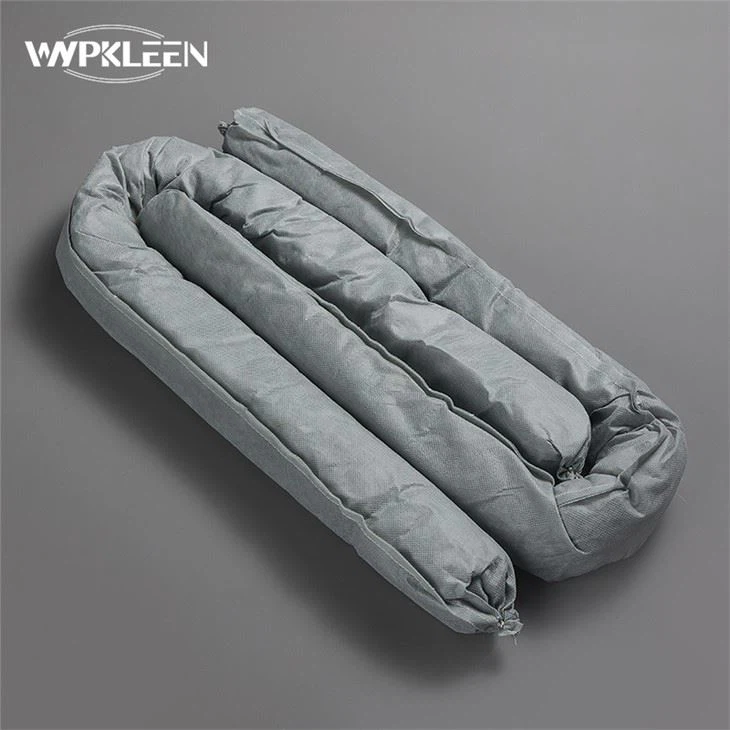
In the marine industry, sorbent pads are essential for dealing with oil spills on ships and in ports. They can be used to clean up small spills on decks or to absorb oil that has leaked into the water. In the event of a large - scale oil spill, sorbent pads can be used in combination with other cleanup methods, such as booms and skimmers, to contain and remove the oil.
The oil and gas industry also relies heavily on sorbent pads. In oil refineries and drilling sites, sorbent pads are used to clean up spills during maintenance and production operations. They help prevent oil from contaminating the environment and ensure a safe working environment.
Chemical Absorbent Pads for Special Oil Spills
For oil spills that involve chemicals or other contaminants, Chemical Absorbent Pad are often used. These pads are specially designed to handle a wider range of substances. They can absorb not only oil but also chemicals such as acids, bases, and solvents. The materials used in chemical absorbent pads are selected for their ability to neutralize or bind with these chemicals while still maintaining their oil - absorbing properties.
Limitations of Sorbent Pads
While sorbent pads are effective in absorbing oil, they do have some limitations. One limitation is the saturation point. Once a sorbent pad reaches its maximum oil - absorbing capacity, it can no longer absorb additional oil. At this point, the pad needs to be replaced to continue the cleanup process.
Another limitation is the type of oil. Some heavy oils, such as crude oil with a high viscosity, may be more difficult to absorb than lighter oils like gasoline or diesel. The high viscosity of heavy oils can slow down the capillary action and make it harder for the oil to penetrate the pores of the sorbent pad.
Maximizing the Effectiveness of Sorbent Pads
To maximize the effectiveness of sorbent pads in oil absorption, proper selection and usage are crucial. First, it's important to choose the right type of sorbent pad based on the type of oil and the nature of the spill. For example, if the spill involves a large amount of water along with oil, a combination of water - absorbent and oil - absorbent pads may be used.
Proper placement of the sorbent pads is also important. In the case of a large - scale oil spill, the pads should be placed in a strategic pattern to cover the entire spill area. They should be replaced regularly to ensure continuous absorption.

Contact Us for Your Sorbent Pad Needs
If you are in an industry that deals with oil spills or oil - related operations, and you are looking for high - quality sorbent pads, we are here to help. Our sorbent pads are designed and manufactured to meet the highest standards of oil - absorbing capacity and performance. Whether you need Water Absorbent Pad, Polypropylene Absorbent Pad, or Chemical Absorbent Pad, we have a wide range of products to choose from.
Contact us today to discuss your specific requirements and get a customized solution for your oil - cleanup needs. Our team of experts is ready to assist you in selecting the right sorbent pads and providing you with the best possible service.
References
- Brown, A. (2018). "Principles of Liquid Absorption in Sorbent Materials." Journal of Materials Science, 43(2), 56 - 63.
- Green, B. (2019). "Testing Methods for Sorbent Pads in Oil Spill Cleanup." Environmental Science and Technology, 32(4), 123 - 130.
- White, C. (2020). "Real - World Applications of Sorbent Pads in the Oil Industry." Industrial Engineering Journal, 56(3), 78 - 85.