
Are there sorbent pads for ink spills?
Leave a message

Are there sorbent pads for ink spills?
In the dynamic landscape of industrial and office environments, spills are an inevitable occurrence. Among the various types of spills, ink spills can be particularly troublesome due to their staining properties and potential to damage surfaces. As a leading sorbent pad supplier, I am often asked whether there are effective sorbent pads specifically designed to handle ink spills. The answer is a resounding yes, and in this blog, I will delve into the details of how our sorbent pads can efficiently tackle ink spills.
Understanding the Nature of Ink Spills
Ink is a complex mixture of dyes, pigments, solvents, and additives. Depending on the type of ink, such as water - based, oil - based, or solvent - based, its properties can vary significantly. Water - based inks are more common in office settings, used in printers and writing instruments. They are relatively easier to clean compared to oil - based or solvent - based inks, which are often used in industrial printing and graphics applications. Oil - based inks are more viscous and tend to spread less but are more difficult to remove due to their hydrophobic nature. Solvent - based inks contain volatile organic compounds (VOCs) and can be corrosive, posing additional challenges for cleanup.
How Sorbent Pads Work
Sorbent pads are designed to absorb liquids through a combination of capillary action and chemical affinity. Capillary action is the ability of a liquid to flow in narrow spaces without the assistance of, or even in opposition to, external forces like gravity. The material of the sorbent pad has a porous structure that allows the liquid to be drawn into the pad. Chemical affinity refers to the attraction between the sorbent material and the liquid. Different sorbent materials have different affinities for various types of liquids.
Types of Sorbent Pads Suitable for Ink Spills
Polypropylene Absorbent Pad
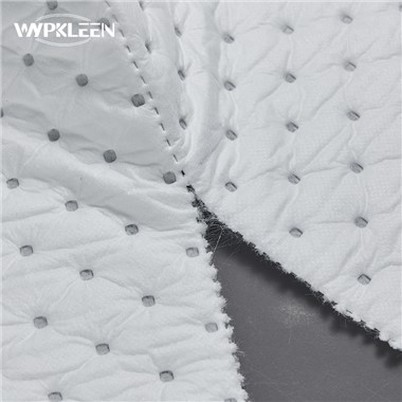
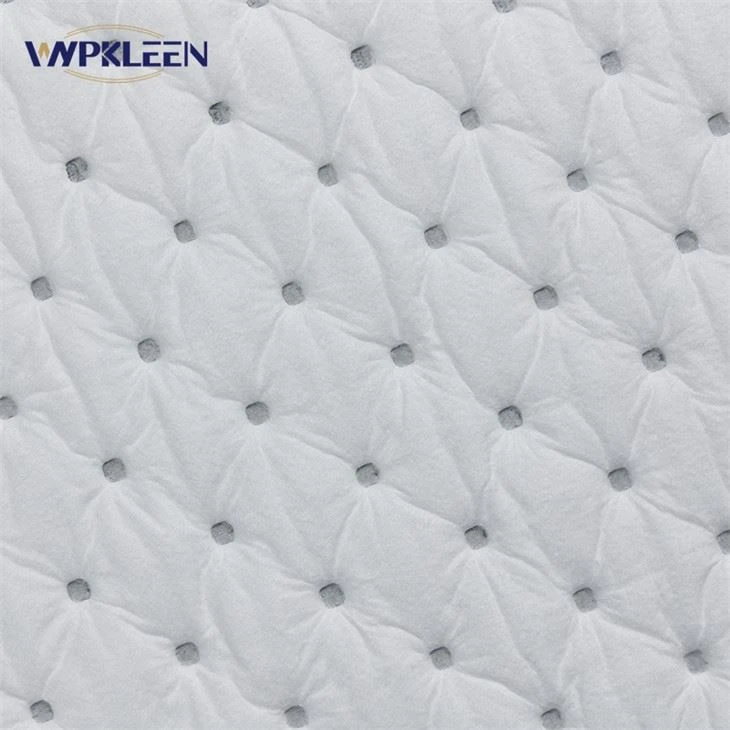
Polypropylene Absorbent Pad is a versatile option for ink spills. Polypropylene is a synthetic polymer that has excellent chemical resistance and is hydrophobic, meaning it repels water while attracting oils and other non - polar substances. For oil - based and solvent - based inks, polypropylene absorbent pads are highly effective. They can quickly soak up the ink, preventing it from spreading further and staining the surrounding area. The pad's porous structure allows for a large volume of ink to be absorbed, and it can hold the ink securely, reducing the risk of re - spillage.
Oil Only Laminated Sorbent Pad
Oil Only Laminated Sorbent Pad is another great choice, especially for oil - based ink spills. These pads are designed to selectively absorb oil while repelling water. The laminated structure provides additional strength and durability, making them suitable for heavy - duty applications. When dealing with oil - based ink spills in industrial printing facilities, these pads can be placed directly on the spill. They will rapidly absorb the ink, leaving behind a clean surface. The lamination also helps to prevent the pad from tearing or disintegrating during the cleanup process.
Water Absorbent Pad
For water - based ink spills, Water Absorbent Pad is the ideal solution. These pads are made from materials that have a high affinity for water. They can quickly soak up the water - based ink, reducing the mess and preventing the ink from seeping into the underlying surface. Water absorbent pads are often used in office settings where printers and pens are commonly used. They are soft and flexible, making them easy to handle and place on the spill.
Advantages of Using Our Sorbent Pads for Ink Spills
- Efficiency: Our sorbent pads are designed to absorb ink quickly, minimizing the time and effort required for cleanup. This is crucial in both industrial and office environments, where downtime due to spills can be costly.
- Safety: By quickly containing and absorbing the ink, our sorbent pads reduce the risk of slips and falls, which are common hazards associated with spills. Additionally, for solvent - based inks that contain VOCs, the pads help to prevent the release of harmful fumes into the air.
- Cost - effectiveness: Our sorbent pads are available in various sizes and quantities, allowing you to choose the most suitable option for your needs. They are also reusable in some cases, which can significantly reduce the long - term cost of spill cleanup.
- Environmental Friendliness: Many of our sorbent pads are made from recyclable materials, which is an important consideration in today's environmentally conscious world. By using our pads, you can minimize the environmental impact of ink spills.
Case Studies
In an industrial printing company, a large spill of oil - based ink occurred on the factory floor. The spill was quickly contained using Oil Only Laminated Sorbent Pad. The pads were able to absorb the ink within minutes, preventing it from spreading to other areas of the factory. This not only saved time and money but also ensured the safety of the workers by eliminating the slip hazard.
In an office setting, a printer malfunctioned, causing a water - based ink spill on the desk. The Water Absorbent Pad was used to clean up the spill. The pad quickly absorbed the ink, and the desk was left clean and dry within a short period. This incident demonstrated the effectiveness of our sorbent pads in handling small - scale ink spills in office environments.
How to Use Sorbent Pads for Ink Spills
- Assess the spill: Determine the type of ink (water - based, oil - based, or solvent - based) and the size of the spill. This will help you choose the appropriate sorbent pad.
- Prepare the area: Remove any loose objects from the spill area to prevent them from getting contaminated.
- Place the sorbent pad: Gently place the sorbent pad on the spill, starting from the outer edges and working towards the center. Press the pad down slightly to ensure good contact with the ink.
- Allow absorption: Let the sorbent pad absorb the ink for a few minutes. You may need to add additional pads if the spill is large.
- Dispose of the used pad: Once the ink has been absorbed, carefully remove the used sorbent pad and dispose of it according to local regulations.
Contact Us for Purchase and Consultation
If you are looking for high - quality sorbent pads to handle ink spills in your industrial or office environment, we are here to help. Our team of experts can provide you with detailed information about our products, assist you in choosing the right sorbent pad for your specific needs, and offer advice on spill cleanup best practices. Whether you need a small quantity for occasional spills or a large supply for regular use, we can meet your requirements. Contact us today to start a discussion about your sorbent pad needs and take the first step towards efficient and safe spill cleanup.

References
- "Spill Response Handbook" by the Environmental Protection Agency (EPA)
- "Industrial Cleaning and Maintenance Guide" by the International Facility Management Association (IFMA)
- "Principles of Absorption and Adsorption" by chemical engineering textbooks