
Can sorbent pads be used in the construction industry?
Leave a message

Hey there! I'm a supplier of sorbent pads, and today I want to dig into a question that often comes up: Can sorbent pads be used in the construction industry? Well, let's find out!
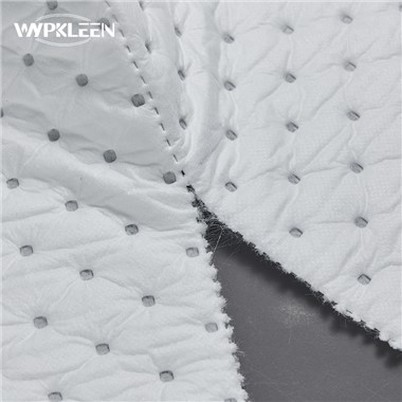
First off, what are sorbent pads? Sorbent pads are super - useful tools designed to soak up liquids. They come in different types, each tailored to absorb specific substances. For example, there are Medical Absorbent Pad mainly used in the medical field to deal with body fluids and other medical spills. But we're focusing on the construction industry here.
In construction sites, spills are a common occurrence. Whether it's oil from machinery, water from leaks, or other chemicals, these spills can pose a risk to both the workers and the environment. That's where sorbent pads come in handy.
Let's start with Oil Only Laminated Sorbent Pad. Construction equipment like bulldozers, cranes, and excavators run on oil. Over time, there might be leaks from the engines or hydraulic systems. These oil spills can be a real headache. Not only are they slippery, which increases the risk of accidents, but they can also contaminate the soil and nearby water sources. Oil only laminated sorbent pads are specifically designed to attract and absorb oil while repelling water. You just place these pads over the oil spill, and they'll start soaking up the oil like a sponge. They're made of materials that have a high affinity for oil molecules, so they can quickly and effectively clean up the mess.
Another type is the Water Absorbent Pad. Construction sites often deal with water from various sources. Rainwater can accumulate in trenches and basements, and there might also be water leaks from pipes or sprinkler systems. Waterlogged areas can cause structural problems, and they can also create a breeding ground for mold and bacteria. Water absorbent pads can help manage these water issues. They can be placed in areas where water is pooling, and they'll soak up the excess water, keeping the site dry and safe.
Now, let's talk about the benefits of using sorbent pads in construction.
Safety is a top priority on construction sites. By quickly cleaning up spills, sorbent pads reduce the risk of slips and falls. Workers can move around the site more safely, knowing that there aren't any slippery oil or water patches. This can significantly lower the number of workplace accidents and injuries.
Environmental protection is also crucial. Construction activities can have a big impact on the environment. Oil and chemical spills can contaminate the soil and water, harming plants, animals, and even human health. Using sorbent pads to clean up these spills helps prevent environmental damage. It's a simple yet effective way to make construction sites more eco - friendly.
Cost - effectiveness is another advantage. Sorbent pads are relatively inexpensive compared to other spill - cleanup methods. Instead of using large amounts of absorbent materials like sand or sawdust, which can be messy and hard to dispose of, sorbent pads offer a more efficient and cost - friendly solution. They're also easy to store and transport, so you can keep a stockpile on site for quick response to spills.
But how do you choose the right sorbent pad for your construction needs?
Consider the type of liquid you're dealing with. As we've mentioned, if it's oil, go for oil only laminated sorbent pads. If it's water, water absorbent pads are the way to go. There are also universal sorbent pads that can absorb both oil and water, which can be useful if you're not sure what kind of spill you'll encounter.
Think about the size of the spills. For small, minor spills, smaller sorbent pads might be sufficient. But for larger spills, you'll need bigger pads or multiple pads to soak up all the liquid.


The absorbency rate is also important. Some sorbent pads can absorb more liquid in a shorter amount of time. If you need to clean up a spill quickly, look for pads with a high absorbency rate.
In addition to the basic types of sorbent pads, there are also some specialized ones that can be used in specific construction scenarios. For example, in areas where there are strict environmental regulations, there are biodegradable sorbent pads. These pads are made from natural materials that break down over time, reducing the environmental impact even further.
Another aspect to consider is the durability of the sorbent pads. Construction sites can be rough and tumble places. Pads need to be able to withstand some wear and tear without falling apart. Look for pads that are well - made and have a strong structure.
Now, let's address some common concerns about using sorbent pads in construction.
One concern is disposal. Once the pads are saturated with liquid, you need to get rid of them properly. Most sorbent pads can be disposed of as regular waste if they're only soaked with water. However, if they're contaminated with oil or chemicals, they need to be disposed of according to local environmental regulations. Some pads can be recycled, while others need to be taken to a special waste disposal facility.
Another concern is the effectiveness of the pads in different weather conditions. Extreme heat or cold can affect the performance of sorbent pads. In very cold weather, the absorbency rate might slow down, and in hot weather, the pads might dry out faster. It's important to store the pads properly and use them in the right conditions to ensure their effectiveness.
So, as you can see, sorbent pads have a lot of potential in the construction industry. They can improve safety, protect the environment, and save costs. If you're in the construction business and haven't considered using sorbent pads yet, it's definitely worth giving them a try.
If you're interested in purchasing sorbent pads for your construction projects, we're here to help. We offer a wide range of sorbent pads, including the Medical Absorbent Pad, Oil Only Laminated Sorbent Pad, and Water Absorbent Pad. Just reach out to us, and we can discuss your specific needs and find the best solutions for you.
References:
- "Spill Response Handbook" by various industry experts
- Environmental Protection Agency guidelines on spill cleanup
- Construction safety manuals and regulations