
Do cotton absorbent pads shrink after washing?
Leave a message

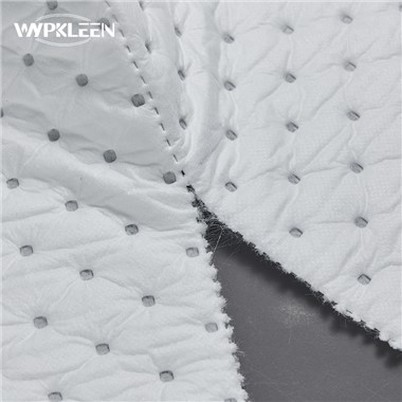
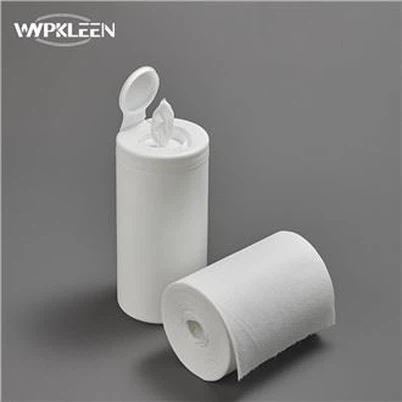
Do cotton absorbent pads shrink after washing? This is a question that often comes up among users and potential buyers of our cotton absorbent pads. As a leading supplier of high - quality cotton absorbent pads, we have conducted extensive research and have a wealth of practical experience to share on this topic.
Understanding Cotton Absorbent Pads
Cotton absorbent pads are widely used in various industries due to their excellent absorbency, softness, and natural origin. They are commonly used in medical settings for wound care, in laboratories for cleaning up spills, and in households for general cleaning purposes. The cotton fibers in these pads have a high affinity for water and other liquids, making them an effective choice for absorbing and containing spills.
The structure of cotton fibers plays a crucial role in the performance of the absorbent pads. Cotton fibers are made up of cellulose, a complex carbohydrate that forms a network of long, thin strands. These strands are held together by hydrogen bonds, which give the fibers their strength and flexibility. When a liquid comes into contact with the cotton pad, the liquid molecules are attracted to the cellulose fibers and are drawn into the pad through capillary action.
The Washing Process and Its Effects on Cotton
Washing is a common way to reuse cotton absorbent pads, which is both cost - effective and environmentally friendly. However, the washing process can have various effects on the cotton material. There are several factors during washing that can potentially lead to shrinkage.
One of the main factors is the temperature of the water. High - temperature water can cause the cotton fibers to swell and then contract as they dry. This contraction can result in shrinkage of the pad. For example, if you wash a cotton absorbent pad in hot water (above 60°C), the fibers may expand beyond their normal state. When the pad is then dried, the fibers try to return to their original shape but end up in a more compact form, leading to a reduction in size.
Another factor is the agitation during the washing process. Aggressive agitation in a washing machine can cause the cotton fibers to tangle and compress. The mechanical stress exerted on the fibers during agitation can disrupt the hydrogen bonds that hold the fibers in place. As a result, the fibers may shift and become more densely packed, causing the pad to shrink.
The type of detergent used can also have an impact. Some detergents contain chemicals that can react with the cotton fibers. Harsh detergents with strong alkaline or acidic components may damage the cellulose structure of the cotton. This damage can make the fibers more prone to shrinkage during the washing and drying process.
Scientific Studies on Cotton Shrinkage
Numerous scientific studies have been conducted on the shrinkage of cotton fabrics. Research has shown that the shrinkage of cotton is mainly related to the properties of the cotton fibers and the conditions of the washing process.
A study published in the Journal of Textile Science and Engineering found that the shrinkage rate of cotton fabrics is directly proportional to the temperature of the washing water. The researchers conducted experiments using different cotton samples and washed them at various temperatures. They found that at higher temperatures, the shrinkage rate increased significantly. For example, cotton fabrics washed at 80°C had an average shrinkage rate of about 5 - 8%, while those washed at 30°C had a shrinkage rate of less than 1%.
Another study focused on the effect of agitation on cotton shrinkage. The results indicated that gentle agitation reduced the shrinkage rate compared to high - speed agitation. This is because gentle agitation causes less mechanical stress on the cotton fibers, allowing them to maintain their original structure more effectively.
Our Experience as a Supplier
As a supplier of cotton absorbent pads, we have received feedback from our customers regarding shrinkage after washing. Based on our experience, we have found that proper care during the washing process can significantly reduce the risk of shrinkage.

We recommend washing our cotton absorbent pads in cold or lukewarm water (below 40°C). Cold water is less likely to cause the cotton fibers to swell and contract, thus minimizing shrinkage. Additionally, using a gentle cycle on the washing machine can reduce the agitation and mechanical stress on the pads.
When it comes to detergents, we suggest using mild, natural detergents that are free from harsh chemicals. These detergents are less likely to damage the cotton fibers and help maintain the integrity of the pads.

We also recommend air - drying the pads instead of using a dryer. The high heat in a dryer can cause the cotton fibers to shrink rapidly. Air - drying allows the pads to dry slowly and naturally, reducing the risk of shrinkage.
Comparing with Other Absorbent Pads
In addition to cotton absorbent pads, we also offer a range of other absorbent products, such as Chemical Absorbent Pad, Absorbent Mats for Oil, and Polypropylene Absorbent Pad. Each type of absorbent pad has its own unique characteristics.
Polypropylene absorbent pads, for example, are synthetic and are less likely to shrink after washing compared to cotton pads. They are more resistant to chemicals and can be used in harsher environments. However, they may not have the same level of softness and natural absorbency as cotton pads.
Chemical absorbent pads are designed specifically to absorb and neutralize chemicals. They are made from materials that can withstand chemical reactions. These pads may have different washing requirements and are generally more durable in chemical - rich environments.
Absorbent mats for oil are engineered to effectively absorb oil spills. They are often made from materials that have a high affinity for oil and are less affected by water. Unlike cotton absorbent pads, they may not be washed as frequently and are more likely to be disposed of after use due to the nature of the oil they absorb.
Conclusion
In conclusion, cotton absorbent pads can shrink after washing, but the degree of shrinkage can be controlled by following proper washing and drying procedures. By using cold or lukewarm water, a gentle cycle on the washing machine, mild detergents, and air - drying, the risk of shrinkage can be minimized.
As a trusted supplier of cotton absorbent pads, we are committed to providing our customers with high - quality products and useful information. If you have any questions about our cotton absorbent pads or other absorbent products, or if you are interested in purchasing our products, please feel free to contact us for further discussion. We look forward to working with you to meet your absorbent needs.
References
- Journal of Textile Science and Engineering - Research on the Shrinkage of Cotton Fabrics under Different Washing Conditions.
- Textile Research Institute - Effects of Agitation and Detergent on Cotton Fiber Structure and Shrinkage.