
Do oil spill absorbent pads need to be replaced regularly?
Leave a message

As a supplier of Oil Spill Absorbent Pads, I often get asked whether these absorbent pads need to be replaced regularly. It's a critical question because the answer can significantly impact the effectiveness of spill cleanup and safety in various settings where oil spills are a risk.
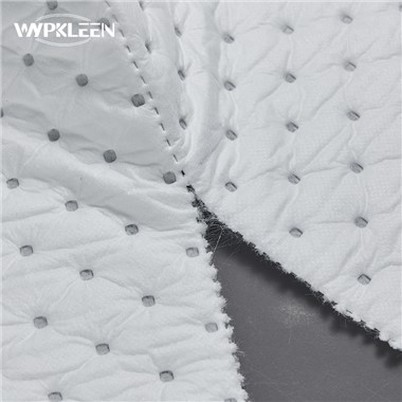
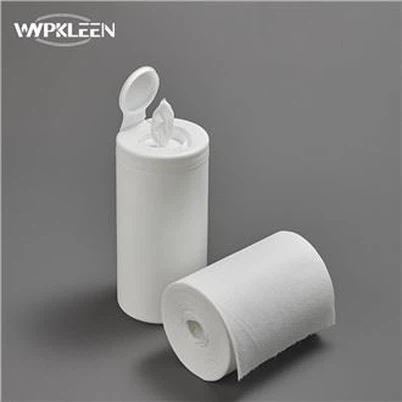
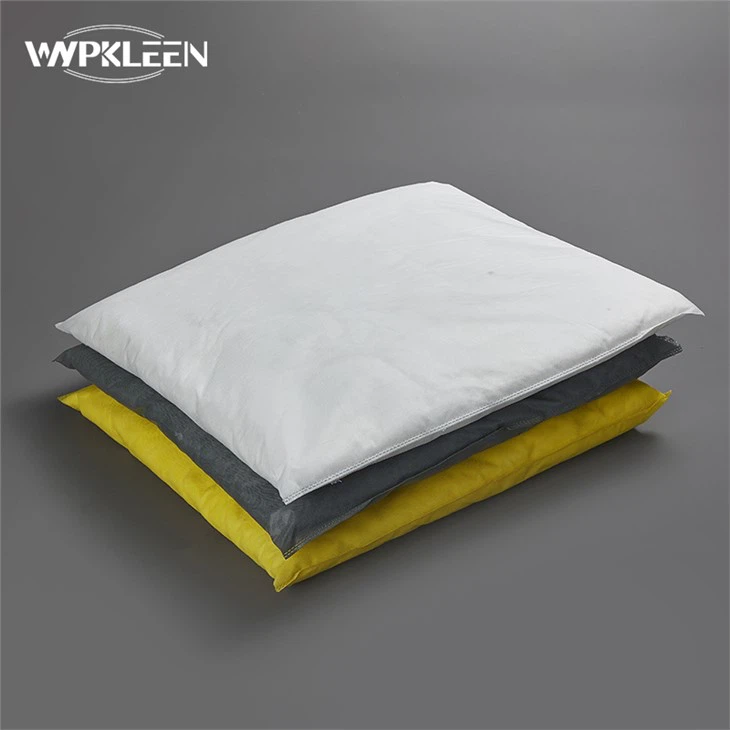
First off, let's understand what oil spill absorbent pads are. Absorbent pads are designed to soak up oil and other petroleum - based liquids quickly and effectively. They come in different materials, like Cotton Absorbent Pad, Absorbent Mats for Oil, and Polypropylene Absorbent Pad. Each type has its own properties and is suitable for different types of spills and environments.
Why Regular Replacement Matters
One of the main reasons for regular replacement is the saturation of the absorbent pads. When a pad is exposed to oil, it starts to soak up the liquid. Once it reaches its maximum absorption capacity, it can't hold any more oil. At this point, the pad becomes useless for further spill cleanup and may even start to release the absorbed oil back into the environment. This is a major concern in industries where a clean and safe working environment is crucial, such as manufacturing plants, automotive repair shops, and oil refineries.
Another factor is the degradation of the absorbent material over time. Whether it's cotton or polypropylene, exposure to air, moisture, and other environmental factors can cause the material to break down. For instance, a cotton absorbent pad may start to rot if it's left in a damp environment for too long. This not only reduces its absorbency but can also lead to the growth of mold and bacteria, which can pose health risks.
In addition, regular replacement helps maintain consistent performance. New absorbent pads are more efficient at absorbing oil than those that have been in use for a while. They can soak up spills faster, reducing the risk of oil spreading and causing more extensive damage.

When to Replace Absorbent Pads
While regular replacement is important, knowing exactly when to replace the pads is equally crucial. There's no one - size - fits - all answer to this question as it depends on several factors.
Frequency of Spills
In a high - traffic area where oil spills are common, like a busy gas station, absorbent pads may need to be replaced daily or even more frequently. On the other hand, in a less - used storage area where spills are rare, the pads may only need to be replaced monthly or quarterly.
Type of Oil
Different types of oil have different viscosities and chemical properties. Heavy oils, such as crude oil, are more difficult to absorb and may saturate the pads faster than lighter oils, like motor oil. So, if you're dealing with heavy oils, you may need to replace the pads more often.
Environmental Conditions
As I mentioned earlier, environmental conditions can affect the lifespan of absorbent pads. In a hot and humid environment, the pads are more likely to degrade quickly, and thus need to be replaced more frequently. In a dry and cool environment, they may last a bit longer.
Signs That It's Time to Replace
There are some clear signs that indicate it's time to replace your absorbent pads. If the pad is visibly saturated, with oil dripping off or pooling on the surface, it's definitely time to swap it out. Another sign is a significant reduction in absorbency. If you notice that a spill is taking longer to be absorbed or that the pad isn't soaking up as much oil as it used to, it's a good indication that the pad has reached the end of its useful life.
Cost - Benefit Analysis
Some people may be hesitant to replace absorbent pads regularly because of the cost. However, it's important to consider the cost - benefit ratio. The cost of replacing the pads is relatively low compared to the potential costs associated with an uncontrolled oil spill. An oil spill can lead to environmental damage, fines from regulatory authorities, and potential damage to equipment and property. By replacing the pads regularly, you can prevent these costly consequences.
Tips for Extending the Life of Absorbent Pads
While regular replacement is necessary, there are some things you can do to extend the life of your absorbent pads. One tip is to use the right type of pad for the job. For example, if you're dealing with a large - scale oil spill, using a high - capacity absorbent mat may be more effective and cost - efficient than using multiple small pads.
Another tip is to store the pads properly. Keep them in a dry, cool place away from direct sunlight and moisture. This can help prevent degradation and ensure that they're ready to be used when needed.
Conclusion
In conclusion, oil spill absorbent pads do need to be replaced regularly. It's essential for maintaining their effectiveness in cleaning up oil spills, ensuring a safe working environment, and preventing environmental damage. By understanding the factors that determine when to replace the pads and taking steps to extend their life, you can manage your oil spill cleanup needs more effectively.
If you're interested in purchasing high - quality oil spill absorbent pads, I'd love to have a chat with you. Our team can help you choose the right type of pads for your specific needs and provide you with all the information you need for proper use and maintenance.
References
- ASTM International. (Year). Standard test methods for oil spill response sorbents.
- Environmental Protection Agency. (Year). Guidelines for oil spill cleanup and waste management.