
How do compressed facial masks compare to peel - off masks?
Leave a message

In the ever - evolving world of skincare, facial masks are a staple for many, offering a quick and effective way to rejuvenate the skin. Among the wide variety of facial masks available, compressed facial masks and peel - off masks stand out as two popular choices. As a supplier of Compressed Facial Mask, I am well - versed in the features, benefits, and differences between these two types of masks. In this blog, I will provide a detailed comparison to help you make an informed decision about which mask is best suited for your skincare needs.
Composition and Structure
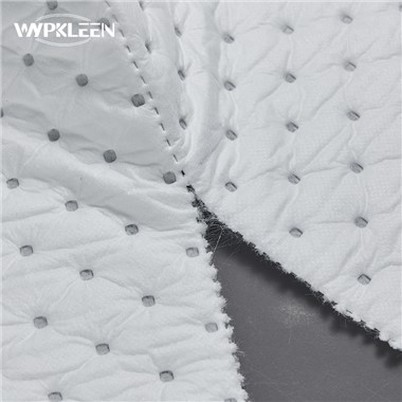
Compressed facial masks are typically made from natural fibers such as cotton, bamboo, or wood pulp. These materials are highly absorbent, allowing them to soak up a large amount of skincare essence or toners. They come in a compressed form, which is small and convenient to carry. When soaked in liquid, they expand into a full - sized facial mask that conforms to the contours of the face.
On the other hand, peel - off masks usually contain a combination of polymers, adhesives, and active ingredients. The polymers form a film on the skin's surface when the mask dries. This film adheres to dirt, oil, and dead skin cells, which are then removed when the mask is peeled off.
Application Process
Applying a compressed facial mask is a straightforward process. First, select your preferred skincare liquid, which can be a hydrating serum, a nourishing essence, or a simple toner. Pour the liquid into a container, immerse the compressed mask in it until it fully expands. Then, gently unfold the mask and place it on your face, adjusting it to fit properly. Leave it on for 10 - 15 minutes, allowing the skin to absorb the nutrients.
Peel - off masks require a different approach. After cleansing your face, apply an even layer of the mask to your face, avoiding the eye and mouth areas. It is important to apply a thick enough layer so that the mask can dry evenly and form a complete film. Wait for the mask to dry completely, which usually takes 15 - 20 minutes, depending on the product. Once dry, start peeling the mask off from the edges, working your way towards the center of the face.
Skin Benefits
One of the primary benefits of compressed facial masks is their high - level of hydration. Since they can hold a large amount of liquid, they are excellent for replenishing the skin's moisture content. This is especially beneficial for dry or dehydrated skin types. Additionally, the liquid used with the compressed mask can be customized according to your skin concerns. For example, if you have acne - prone skin, you can use a liquid with anti - inflammatory properties.
Peel - off masks are known for their exfoliating and cleansing effects. As the mask is peeled off, it effectively removes dead skin cells, dirt, and excess oil from the skin's surface. This can leave the skin looking smoother, brighter, and more radiant. Some peel - off masks also claim to reduce the appearance of blackheads by extracting the impurities from the pores.
Suitability for Different Skin Types
Compressed facial masks are generally suitable for all skin types. Their gentle nature makes them a safe option for sensitive skin. For dry skin, using a compressed mask with a rich, moisturizing liquid can provide intense hydration. Oily skin can benefit from a compressed mask soaked in a toner with astringent properties to control sebum production. Combination skin can also find a suitable liquid to balance the different areas of the face.
Peel - off masks, however, may not be suitable for all skin types. Sensitive skin may react negatively to the peeling process, as it can cause irritation, redness, and even micro - abrasions. People with thin or delicate skin should also be cautious when using peel - off masks. On the other hand, oily and combination skin types may find peel - off masks more beneficial due to their cleansing and pore - tightening effects.
Frequency of Use
Compressed facial masks can be used more frequently, depending on your skin's needs. For normal to dry skin, using a compressed mask 2 - 3 times a week can help maintain the skin's moisture balance. Oily skin can use it 1 - 2 times a week, especially if the liquid used has sebum - controlling properties.
Peel - off masks should be used less frequently. Due to their strong exfoliating nature, using them more than once a week can over - exfoliate the skin, leading to dryness, irritation, and a weakened skin barrier. It is recommended to use peel - off masks once every 1 - 2 weeks, depending on your skin's tolerance.
Cost - effectiveness
Compressed facial masks are often more cost - effective in the long run. They are relatively inexpensive to purchase, especially when bought in bulk. Additionally, you can reuse the same liquid for multiple applications, which further reduces the cost. Since they can be customized with different liquids, you can also choose more affordable options without compromising on the quality of the skincare treatment.
Peel - off masks can be more expensive, especially high - end products with advanced formulations. Moreover, they are usually single - use products, and you cannot reuse the remaining mask material. This makes them a less cost - effective option for regular use.
Environmental Impact
From an environmental perspective, compressed facial masks have an edge. Most compressed masks are made from natural and biodegradable materials, which are more eco - friendly. After use, they can decompose naturally without causing significant harm to the environment.
Peel - off masks, on the other hand, often contain synthetic polymers and chemicals that are not easily biodegradable. Disposing of used peel - off masks can contribute to environmental pollution.


In conclusion, both compressed facial masks and peel - off masks have their own unique advantages and disadvantages. Compressed facial masks are a versatile, hydrating, and cost - effective option that is suitable for all skin types and can be used more frequently. They also have a lower environmental impact. Peel - off masks, on the other hand, offer strong exfoliating and cleansing effects, but may not be suitable for sensitive skin and are less cost - effective and eco - friendly.
If you are interested in exploring the benefits of compressed facial masks for your skincare routine or are a business looking to source high - quality compressed facial masks, I invite you to contact me for a procurement discussion. I am committed to providing the best products and services to meet your needs.
References
- Smith, J. (2020). The Science of Skincare. New York: Skin Publishing.
- Johnson, A. (2021). Facial Masks: A Comprehensive Guide. London: Beauty Books.
- Brown, L. (2022). Sustainable Skincare Choices. Sydney: Green Beauty Press.