
What is the softness of a Chemical Absorbent Pad?
Leave a message

What is the softness of a Chemical Absorbent Pad?
In the field of industrial safety and environmental protection, chemical absorbent pads play a crucial role. These pads are designed to quickly and effectively absorb various types of spills, including chemicals, oils, and water. One often overlooked but important characteristic of these pads is their softness. In this blog, as a chemical absorbent pad supplier, I will explore what the softness of a chemical absorbent pad means, why it matters, and how it relates to the overall performance of the product.
Understanding the Concept of Softness in Chemical Absorbent Pads
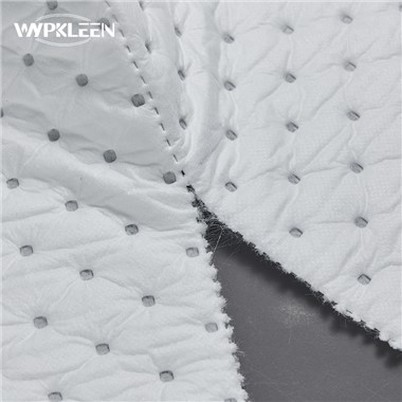
Softness in the context of chemical absorbent pads can be defined from multiple perspectives. Physically, it refers to the tactile quality of the pad. A soft pad is gentle to the touch, flexible, and can conform easily to different surfaces. When you hold a soft chemical absorbent pad in your hand, it feels pliable and does not have a rigid or rough texture.
On a microscopic level, the softness is related to the structure and material properties of the pad. For example, the fibers used in manufacturing the pad can have a significant impact on its softness. If the fibers are fine, flexible, and loosely packed, the pad is more likely to be soft. In contrast, a pad made of thicker, stiffer fibers or with a more compacted structure may feel less soft.
Softness also has implications for the pad's ability to absorb and contain spills. A soft pad can better adapt to the shape of irregular surfaces, such as machinery parts or uneven floors. This allows it to make better contact with the spilled substance, increasing the surface area available for absorption. Additionally, a soft pad is less likely to scratch or damage delicate surfaces during the cleanup process, which is especially important in industries where precision equipment is used.
Why Softness Matters in Chemical Absorbent Pads
Enhanced Absorption Efficiency
As mentioned earlier, a soft chemical absorbent pad can conform to the shape of the spill area more effectively. This means that it can cover a larger surface area of the spill, allowing for faster and more efficient absorption. For example, when dealing with a spill on a curved or textured surface, a hard or inflexible pad may not make full contact with the liquid, leaving some areas unabsorbed. In contrast, a soft pad can mold itself to the surface, ensuring that all of the spilled liquid is in contact with the absorbent material and can be quickly drawn into the pad.
Surface Protection
In many industrial settings, there are sensitive surfaces that need to be protected during spill cleanup. These can include painted surfaces, polished metals, or delicate electronic components. A soft chemical absorbent pad is less likely to cause scratches or abrasions on these surfaces compared to a hard or rough pad. This is particularly important in industries such as automotive manufacturing, electronics, and aerospace, where even minor surface damage can lead to significant quality issues or equipment malfunctions.
Ease of Use
Soft chemical absorbent pads are generally easier to handle and manipulate. They can be folded, rolled, or cut more easily to fit the specific needs of the spill cleanup. This makes them more versatile and convenient for workers in the field. For example, if a spill occurs in a narrow or confined space, a soft pad can be easily folded and inserted into the area to absorb the liquid. In addition, soft pads are more comfortable to hold for extended periods, reducing fatigue and improving the overall efficiency of the cleanup process.


Compatibility with Equipment
In some cases, chemical absorbent pads need to be used in conjunction with other equipment or tools. A soft pad is more likely to be compatible with mechanical applicators or sorbent booms, as it can be easily fed through or attached to these devices. This ensures seamless integration into existing spill response systems and allows for a more coordinated and efficient cleanup operation.
Factors Affecting the Softness of Chemical Absorbent Pads
Material Composition
The choice of materials is one of the most important factors affecting the softness of a chemical absorbent pad. Polypropylene is a commonly used material in the manufacturing of these pads due to its excellent absorbency and chemical resistance. However, the quality and type of polypropylene can vary, which can impact the softness of the pad. For example, a high - quality polypropylene with finer fibers will result in a softer pad compared to a lower - quality version with coarser fibers.
There are also other materials that can be used in combination with polypropylene or on their own to achieve different levels of softness and absorbency. Some pads may incorporate natural fibers, such as cotton or cellulose, which can add a softer and more absorbent quality. These natural fibers can also enhance the biodegradability of the pad, making it a more environmentally friendly option.
Manufacturing Process
The manufacturing process also plays a significant role in determining the softness of a chemical absorbent pad. Processes such as needle punching, thermal bonding, or chemical bonding can affect the arrangement and interaction of the fibers in the pad. Needle punching, for example, involves passing barbed needles through the fiber web to entangle the fibers and give the pad its structure. The density and frequency of needle punching can impact the softness of the final product. A lower needle punching density may result in a softer pad, as the fibers are less compressed and more flexible.
Treatment and Coating
Some chemical absorbent pads are treated or coated to enhance their performance in specific applications. For example, a pad may be coated with a hydrophobic or oleophilic layer to improve its ability to absorb oil or repel water. However, these treatments can also affect the softness of the pad. If the coating is too thick or rigid, it can make the pad stiffer and less flexible. Therefore, it is important to carefully balance the need for performance enhancement with the maintenance of softness during the treatment process.
Different Types of Chemical Absorbent Pads and Their Softness
Water Absorbent Pad
Water absorbent pads are designed to quickly soak up water - based spills. These pads are often made of materials that have a high affinity for water, such as cellulose or polypropylene blends. Due to the nature of their materials, water absorbent pads can vary in softness. Cellulose - based pads tend to be softer and more absorbent, as the cellulose fibers are fine and loosely structured. They conform well to different surfaces and are gentle on delicate equipment. Polypropylene - based water absorbent pads can also be soft, especially if they are made with high - quality, fine - fiber polypropylene. These pads are more durable and resistant to chemical degradation compared to cellulose pads.
Oil Only Laminated Sorbent Pad
Oil only laminated sorbent pads are specifically designed to absorb oil and repel water. These pads typically have a laminated structure, with a layer of absorbent material sandwiched between two layers of hydrophobic material. The softness of oil only laminated sorbent pads can depend on the type of absorbent material used and the nature of the lamination. If the absorbent layer is made of soft fibers, such as polyester or a blend of polypropylene and natural fibers, the pad will be relatively soft. However, the lamination process can sometimes make the pad stiffer, especially if a thick or rigid coating is used. Manufacturers need to carefully select the materials and lamination techniques to ensure that the pad remains soft enough for easy handling while still providing effective oil absorption.
Polypropylene Absorbent Pad
Polypropylene absorbent pads are one of the most widely used types of chemical absorbent pads. They are known for their excellent chemical resistance and low cost. The softness of polypropylene absorbent pads can vary depending on the grade and manufacturing process. Higher - grade polypropylene with finer fibers will result in a softer pad. Additionally, pads that are manufactured using a more gentle bonding process, such as thermal bonding instead of chemical bonding, may be softer. Polypropylene absorbent pads can be used to absorb a wide range of substances, including chemicals, oils, and water, and their softness makes them suitable for a variety of applications, from industrial spill cleanup to laboratory use.
How to Choose the Right Softness for Your Application
When selecting a chemical absorbent pad, it is important to consider the specific requirements of your application. If you are dealing with spills on delicate surfaces, such as in a laboratory or a high - tech manufacturing facility, a soft pad is essential to avoid surface damage. Look for pads made of soft materials, such as cellulose or high - quality polypropylene, and avoid pads with thick or rigid coatings.
In industrial settings where spills are more likely to occur on rough or uneven surfaces, the softness of the pad is still important but may need to be balanced with other factors, such as durability and absorbency. A pad that is too soft may tear or break easily during the cleanup process, especially if it is used in a high - traffic area or with heavy machinery. In these cases, a slightly stiffer but still relatively soft pad may be more appropriate.
If you are using the pads in conjunction with other equipment, such as sorbent booms or mechanical applicators, make sure that the softness of the pad is compatible with the equipment. The pad should be able to easily fit into the applicator or be attached to the boom without causing any jams or malfunctions.
Conclusion
The softness of a chemical absorbent pad is an important characteristic that can have a significant impact on its performance and usability. A soft pad offers enhanced absorption efficiency, surface protection, ease of use, and compatibility with equipment. When choosing a chemical absorbent pad, it is crucial to consider the specific requirements of your application and select a pad with the appropriate level of softness.
As a chemical absorbent pad supplier, we understand the importance of providing high - quality products that meet the diverse needs of our customers. Our range of Water Absorbent Pad, Oil Only Laminated Sorbent Pad, and Polypropylene Absorbent Pad is designed to offer a balance of softness, absorbency, and durability. If you have any questions about our products or need assistance in selecting the right chemical absorbent pad for your application, please do not hesitate to contact us for a procurement discussion. We are committed to helping you find the best solutions for your spill cleanup and environmental protection needs.
References
- ASTM International. Standard Test Methods for Sorbent Performance of Adsorbent Products.
- Osseo - Asare, K. and SenGupta, A. K., eds. Adsorption Technology and Design. Elsevier, 2014.
- Chemical Safety and Hazard Investigation Board. Incident Reports Related to Chemical Spills and Cleanup.