

How do oil absorbent sheets work in oil - rich industrial effluents?
Leave a message

Oil pollution in industrial effluents is a significant environmental concern, especially in industries with high oil content in their wastewater. As a supplier of oil absorbent sheets, I've witnessed firsthand the effectiveness of these products in addressing this issue. In this blog, I'll delve into how oil absorbent sheets work in oil - rich industrial effluents, exploring the science behind them and their practical applications.
The Basics of Oil Absorbent Sheets
Oil absorbent sheets are specially designed materials that have the ability to attract and hold oil while repelling water. They are commonly used in various industries, such as manufacturing, automotive, and food processing, to clean up oil spills and separate oil from industrial wastewater.
The key to the functionality of oil absorbent sheets lies in their composition. Most oil absorbent sheets are made from hydrophobic (water - repelling) and oleophilic (oil - attracting) materials. These materials can be natural, like cellulose fibers from plants, or synthetic, such as polypropylene.
How They Work: The Scientific Principle
The working mechanism of oil absorbent sheets can be explained by several scientific principles, including capillary action, surface tension, and intermolecular forces.
Capillary Action
Capillary action is one of the primary forces at play. When an oil absorbent sheet comes into contact with oil - rich industrial effluent, the small pores and channels within the sheet act like tiny tubes. The oil is drawn into these pores due to the cohesive and adhesive forces between the oil molecules and the material of the sheet. Cohesion refers to the attraction between molecules of the same substance (oil molecules in this case), while adhesion is the attraction between the oil molecules and the molecules of the absorbent sheet.
The combination of these forces causes the oil to move up or into the sheet, much like how water moves up a paper towel. This process continues until the pores are filled with oil or the sheet reaches its maximum absorption capacity.
Surface Tension
Surface tension is another important factor. Oil has a lower surface tension compared to water. The oleophilic surface of the oil absorbent sheet reduces the surface tension of the oil, allowing it to spread more easily across the sheet. As the oil spreads, it is more likely to be absorbed into the pores of the sheet.
The hydrophobic nature of the sheet, on the other hand, maintains a high surface tension with water. This causes water to bead up on the surface of the sheet rather than being absorbed, effectively separating the oil from the water.
Intermolecular Forces
Intermolecular forces, such as van der Waals forces, also contribute to the absorption process. These forces are weak attractions between molecules. The oleophilic material of the oil absorbent sheet has a strong affinity for oil molecules due to these intermolecular forces. The oil molecules are attracted to the surface of the sheet and are held in place by these forces, preventing the oil from leaking out once it has been absorbed.
Types of Oil Absorbent Sheets and Their Applications
There are several types of oil absorbent sheets available, each with its own unique properties and applications.
Oil Only Laminated Sorbent Pad
The Oil Only Laminated Sorbent Pad is designed specifically for absorbing oil while repelling water. It is made from a laminated material that provides enhanced strength and durability. These pads are ideal for use in industrial settings where there is a high risk of oil spills, such as oil refineries, chemical plants, and manufacturing facilities. They can be used to line storage tanks, catch trays, and other areas where oil may accumulate.
Cotton Absorbent Pad
Cotton Absorbent Pad is a natural and environmentally friendly option. Cotton fibers are highly absorbent and can soak up a significant amount of oil. These pads are often used in applications where a more natural and biodegradable solution is required, such as in the food processing industry or in marine environments. They are also suitable for cleaning up small oil spills in workshops and garages.
Absorbent Mats for Oil
Absorbent Mats for Oil are larger, more heavy - duty options. They are designed to cover larger areas and can absorb a large volume of oil. These mats are commonly used in industrial floors, loading docks, and other areas where there is a continuous flow of oil - rich effluent. They can help prevent slips and falls by absorbing oil spills quickly and effectively.
Advantages of Using Oil Absorbent Sheets in Industrial Effluents
Using oil absorbent sheets in oil - rich industrial effluents offers several advantages.
Environmental Protection
By effectively separating oil from water, oil absorbent sheets help prevent oil pollution in water bodies. This is crucial for protecting the environment and aquatic life. Industrial wastewater that is treated with oil absorbent sheets can be safely discharged or recycled, reducing the environmental impact of industrial activities.
Cost - Efficiency
Oil absorbent sheets are a cost - effective solution for oil spill cleanup and wastewater treatment. They are relatively inexpensive compared to other oil removal methods, such as chemical treatment or mechanical separation. Additionally, they can be easily disposed of or recycled, further reducing costs.
Ease of Use
Oil absorbent sheets are easy to use. They can be simply placed in the oil - rich effluent or on the surface of the oil spill. No special equipment or training is required, making them a convenient option for industrial workers.
Real - World Applications and Case Studies
In many industries, oil absorbent sheets have proven to be an effective solution for dealing with oil - rich industrial effluents.

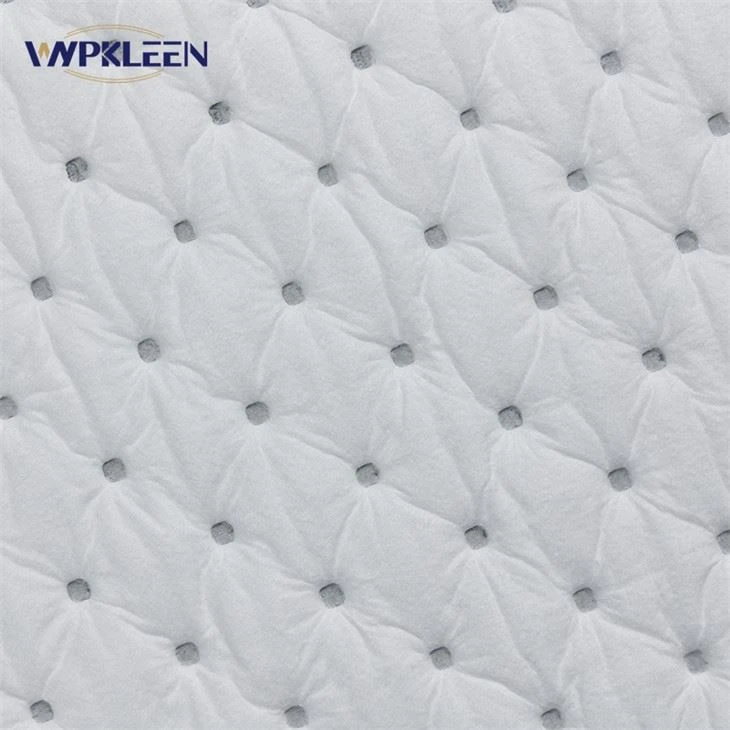
In the automotive industry, for example, oil absorbent sheets are used in car manufacturing plants to clean up oil spills on the factory floor. They are also used in automotive repair shops to absorb oil from engine parts and catch trays. By using oil absorbent sheets, these facilities can maintain a clean and safe working environment while reducing the risk of oil pollution.
In the food processing industry, cotton absorbent pads are used to remove oil from cooking oils and wastewater. This helps ensure the quality and safety of food products while also reducing the environmental impact of food processing operations.
Contact for Procurement and Consultation
If you are in need of high - quality oil absorbent sheets for your industrial applications, I invite you to contact us for procurement and consultation. Our team of experts can help you choose the right type of oil absorbent sheet based on your specific needs and requirements. We are committed to providing you with the best products and services to ensure the effective management of oil - rich industrial effluents.
References
- "Environmental Science: Toward a Sustainable Future" by Richard T. Wright and Dorothy F. Boorse.
- "Introduction to Colloid and Surface Chemistry" by D. J. Shaw.
- Industry reports on oil spill cleanup and wastewater treatment technologies.


