

How does airlaid tissue paper compare in terms of strength to paperboard?
Leave a message

When comparing airlaid tissue paper to paperboard in terms of strength, it's essential to understand the unique characteristics of each material. As a supplier of Airlaid Tissue Paper, I've witnessed firsthand the diverse applications and performance of airlaid tissue paper in various industries. This blog post aims to provide an in - depth analysis of how airlaid tissue paper stacks up against paperboard in terms of strength.
Understanding Airlaid Tissue Paper
Airlaid tissue paper is a non - woven material produced through an air - laying process. In this process, wood pulp fibers are separated and dispersed in an air stream, then deposited on a forming screen and bonded together using heat, chemical adhesives, or a combination of both. This manufacturing method gives airlaid tissue paper several distinct properties.
One of the key features of airlaid tissue paper is its high porosity. The open structure allows for excellent absorption and ventilation, making it ideal for applications such as hygiene products, wipes, and filtration. Additionally, airlaid tissue paper can be engineered to have different levels of softness, thickness, and strength, depending on the specific requirements of the end - use.
Characteristics of Paperboard
Paperboard, on the other hand, is a thick paper - based material. It is typically made from multiple layers of paper pulp that are pressed and dried together. Paperboard is known for its stiffness and durability. It comes in various grades, including folding carton board, corrugated board, and solid bleached sulfate board, each with its own set of properties and applications.
Paperboard is commonly used in packaging, such as boxes for consumer goods, food containers, and display materials. Its strength and rigidity make it suitable for protecting products during transportation and storage.
Tensile Strength
Tensile strength is a measure of a material's ability to withstand a pulling force without breaking. When comparing airlaid tissue paper and paperboard in terms of tensile strength, paperboard generally has the upper hand. Due to its multi - layer construction and the pressing process during manufacturing, paperboard can resist higher levels of tensile stress.
However, airlaid tissue paper can still offer sufficient tensile strength for many applications. By adjusting the fiber type, bonding method, and basis weight, manufacturers can enhance the tensile strength of airlaid tissue paper. For example, in some high - end Airlaid Paper Wipes, the use of stronger fibers and advanced bonding techniques can result in a product that can withstand a reasonable amount of pulling during normal use.
Burst Strength
Burst strength refers to the ability of a material to withstand pressure from within without rupturing. Paperboard usually has a high burst strength, especially in thicker grades. This property makes it suitable for packaging applications where the contents may exert pressure on the container, such as in boxes for liquids or heavy items.
Airlaid tissue paper, while not as strong as paperboard in terms of burst strength, can be engineered to have a certain level of resistance. In applications like absorbent pads, the airlaid tissue paper needs to be able to hold a certain amount of liquid without bursting. By using appropriate fiber blends and bonding agents, the burst strength of airlaid tissue paper can be optimized.
Tear Strength
Tear strength measures a material's resistance to tearing. Paperboard typically has good tear strength because of its fiber orientation and the way the layers are bonded together. This makes it less likely to tear during handling and transportation.
Airlaid tissue paper's tear strength can vary significantly depending on its construction. In some cases, the random fiber orientation in airlaid tissue paper can provide a certain level of tear resistance. However, compared to paperboard, airlaid tissue paper may be more prone to tearing, especially in thinner grades. But for applications where softness and flexibility are more important than extreme tear strength, such as in facial tissues or baby wipes, airlaid tissue paper's performance is still satisfactory.
Compression Strength
Compression strength is crucial for materials used in packaging, as it determines how well a material can withstand stacking and pressure during storage and shipping. Paperboard excels in this area, as its rigid structure allows it to support the weight of other products stacked on top of it without collapsing.
Airlaid tissue paper is not typically used in applications that require high compression strength. However, in some cases, such as in cushioning materials, airlaid tissue paper can be combined with other materials to enhance its compression resistance. For example, Nonwoven Airlaid Paper can be used in combination with foams or other cushioning elements to provide a soft yet supportive layer.
Applications and Strength Requirements
The choice between airlaid tissue paper and paperboard often depends on the specific application and its strength requirements. For applications where softness, absorbency, and flexibility are key, such as in personal care products, airlaid tissue paper is the preferred choice. Although it may not have the same level of strength as paperboard in all aspects, its unique properties make it well - suited for these applications.
On the other hand, for packaging applications that require high levels of strength, stiffness, and durability, paperboard is the obvious option. It can protect products from damage during transit and storage, and its ability to be printed on and shaped makes it a versatile material for branding and marketing.
Customization of Airlaid Tissue Paper Strength
As a supplier of airlaid tissue paper, we understand the importance of meeting the specific strength requirements of our customers. We offer a wide range of customization options to enhance the strength of our airlaid tissue paper products.
We can select different types of fibers, such as hardwood or softwood pulp, to adjust the strength characteristics. Hardwood fibers generally provide more stiffness and strength, while softwood fibers can contribute to softness and absorbency. By blending these fibers in different ratios, we can achieve the desired balance of properties.
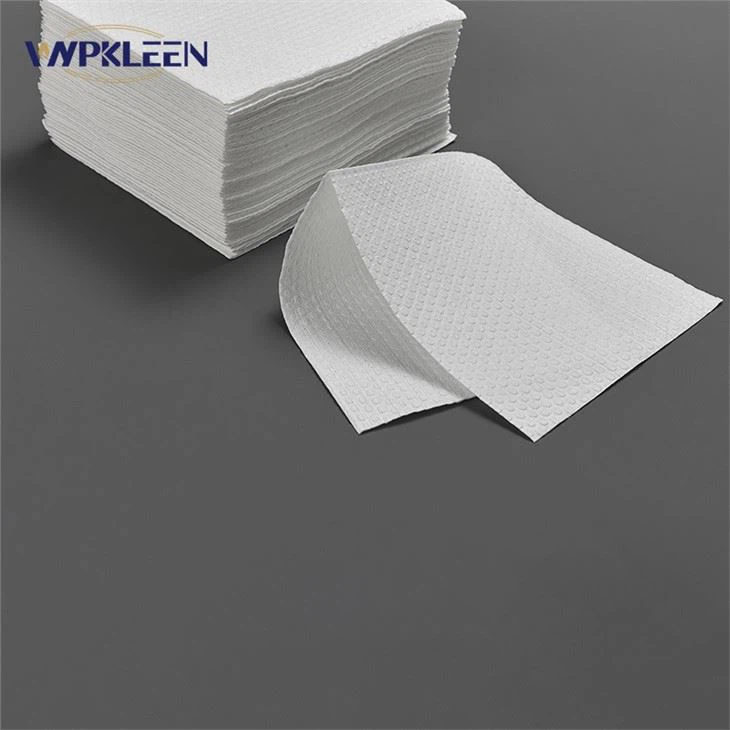

In addition, the bonding method plays a crucial role in determining the strength of airlaid tissue paper. We use advanced bonding technologies, including thermal bonding, latex bonding, and chemical bonding, to ensure that the fibers are firmly held together. This not only improves the overall strength of the product but also allows for better control over other properties such as softness and porosity.
Conclusion
In conclusion, while paperboard generally has higher strength in terms of tensile, burst, tear, and compression strength compared to airlaid tissue paper, airlaid tissue paper has its own unique advantages. Its softness, absorbency, and the ability to be customized make it a valuable material in many industries.
Whether you are in the personal care, hygiene, or packaging industry, understanding the strength characteristics of airlaid tissue paper and paperboard is essential for making the right material choice. As a supplier of Airlaid Tissue Paper, we are committed to providing high - quality products that meet your specific strength requirements.
If you are interested in exploring our airlaid tissue paper products for your applications, we encourage you to contact us for a detailed discussion. Our team of experts is ready to assist you in finding the perfect solution for your business needs.
References
- "Handbook of Nonwovens" by Richard K. Russo
- "Paper and Paperboard Packaging Technology" by George A. Smook


