
How should I store facial mask tissue?
Leave a message

As a facial mask tissue supplier, I often receive inquiries from customers about how to properly store facial mask tissue. This is a crucial topic because improper storage can significantly affect the quality and effectiveness of the facial masks. In this blog, I'll share some scientific and practical tips on storing facial mask tissue, ensuring that both suppliers and consumers can maintain the best condition of these products.
Understanding the Components of Facial Mask Tissue
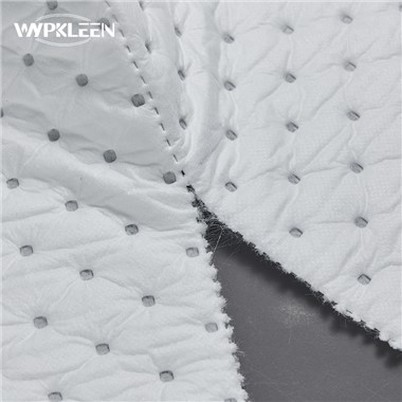
Before delving into storage methods, it's essential to understand what facial mask tissue is made of. Most facial mask tissues are crafted from natural fibers like cotton, bamboo, or synthetic materials. These materials are designed to hold the essence or serum that provides various skincare benefits, such as hydration, anti - aging, and brightening.
The essence or serum in facial masks contains a blend of active ingredients, including vitamins, antioxidants, and moisturizers. These ingredients are sensitive to environmental factors such as light, heat, and humidity. Therefore, proper storage is vital to preserve their efficacy.
Ideal Storage Conditions
Temperature
The ideal temperature for storing facial mask tissue is between 15°C and 25°C (59°F - 77°F). This temperature range helps to maintain the stability of the active ingredients in the essence. Extreme heat can cause the essence to evaporate or the ingredients to break down, reducing the effectiveness of the mask. On the other hand, extremely cold temperatures can cause the essence to freeze, which may damage the structure of the mask tissue and alter the composition of the essence.
For suppliers, large - scale storage facilities should be equipped with temperature - controlled systems. This ensures that the entire inventory of facial mask tissue remains in optimal condition. For consumers, storing masks in a cool, dry place at home, such as a closet or a drawer away from direct sunlight, is sufficient.
Humidity
Humidity is another critical factor. The relative humidity should be kept between 40% and 60%. High humidity can lead to the growth of mold and bacteria on the facial mask tissue, especially if the packaging is not air - tight. Mold and bacteria not only compromise the quality of the mask but can also pose health risks when applied to the skin.
To control humidity, suppliers can use dehumidifiers in their storage warehouses. Consumers can use small silica gel packets in their storage containers to absorb excess moisture. These packets are often included in the original packaging of many products and can be reused.
Light
Light, especially ultraviolet (UV) light, can degrade the active ingredients in the essence of facial masks. Prolonged exposure to sunlight or strong artificial light can cause the essence to change color and lose its potency.
Suppliers should store facial mask tissue in opaque containers or in areas where light is minimal. For consumers, it's advisable to keep masks in their original packaging or transfer them to a dark storage box.
Packaging Considerations
The packaging of facial mask tissue plays a significant role in its storage. High - quality, air - tight packaging is essential to protect the mask from external factors.
Sealed Pouches
Most facial masks come in sealed pouches. These pouches are designed to keep the essence inside and prevent air, moisture, and light from entering. Suppliers should ensure that the sealing process is of high quality, with no leaks or weak spots. Consumers should be careful not to damage the seal when opening the pouch for the first time. If possible, resealable pouches are a great option, as they allow consumers to store the remaining mask and essence for future use.
Inner Liners
Some facial mask packages have inner liners, which provide an extra layer of protection. These liners can be made of materials that are resistant to moisture and light. Suppliers should choose inner liners that are compatible with the essence and do not react with it.
Storage for Different Types of Facial Mask Tissue
Compressed Facial Mask
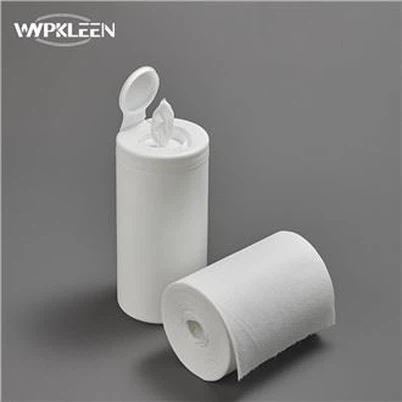
Compressed facial masks are a popular choice due to their convenience and portability. They are made by compressing the mask tissue into a small, compact form. You can learn more about Compressed Facial Mask.
These masks should be stored in a dry environment to prevent them from expanding prematurely. Once expanded, they are more susceptible to moisture and contamination. Suppliers should store compressed facial masks in sealed containers to maintain their dryness. Consumers can keep them in a small, air - tight case when traveling.
Sheet Facial Mask
Sheet facial masks are pre - soaked in essence. They require more careful storage due to the presence of the essence. As mentioned earlier, they should be stored at the right temperature, humidity, and away from light. Suppliers should stack sheet masks carefully in storage racks to avoid damaging the packaging. Consumers can store them flat in a drawer or a storage box to prevent the essence from leaking.
Monitoring and Quality Control
For suppliers, regular monitoring of the storage conditions is essential. This includes checking the temperature, humidity, and light levels in the storage facilities on a daily basis. Any deviations from the ideal conditions should be addressed immediately.
Quality control inspections should also be carried out regularly. This involves randomly selecting samples from the inventory and checking for signs of mold, bacteria, or degradation of the essence. If any issues are detected, the affected products should be removed from the inventory to prevent them from reaching the market.
Tips for Consumers
- Check the Expiry Date: Always check the expiry date on the facial mask packaging. Using an expired mask can be ineffective or even harmful to the skin.
- Don't Over - Stock: While it may be tempting to buy facial masks in bulk, especially during sales, try not to over - stock. This reduces the risk of storing masks for too long and ensures that you use them while they are still fresh.
- Follow Storage Instructions: Some facial masks may come with specific storage instructions. Make sure to follow these instructions to maintain the quality of the mask.
Conclusion
Proper storage of facial mask tissue is essential for both suppliers and consumers. By maintaining the right temperature, humidity, and light conditions, and using high - quality packaging, we can ensure that facial masks retain their effectiveness and safety. As a facial mask tissue supplier, I am committed to providing the best products to my customers, and proper storage is a crucial part of this process.


If you are interested in purchasing facial mask tissue in bulk, I invite you to contact me for a detailed discussion. We can explore the different options available and find the best solutions for your needs. Whether you are a retailer, a beauty salon, or an individual looking for high - quality facial masks, I am here to assist you.
References
- "Cosmetic Science and Technology" by Cosmetic Science and Technology Editorial Board
- "Skincare Product Development" by various authors in the skincare industry