
How to cut nonwoven paper fabric?
Leave a message

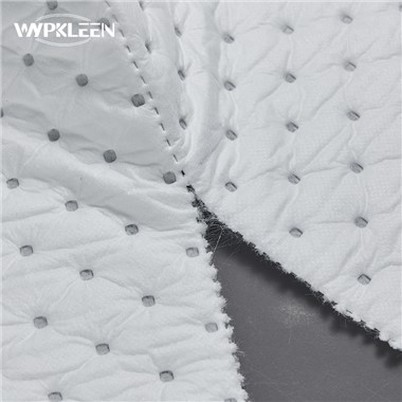
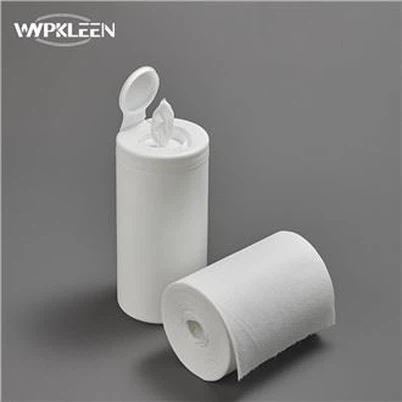
Hey there! I'm a supplier of Nonwoven Paper Fabric, and I'm super excited to share some tips on how to cut this amazing material. Nonwoven paper fabric is used in tons of products, from Non-woven Cleaning Wipes Fabric to Spunlace Nonwoven Fabric Roll and Nonwoven Fabric Cloth. It's versatile, durable, and easy to work with once you know the ropes.
Why Cutting Nonwoven Paper Fabric Matters
First off, let's talk about why cutting nonwoven paper fabric is such a big deal. Whether you're making small cleaning wipes or large fabric rolls for industrial use, getting clean, precise cuts is crucial. A good cut ensures that your final product looks professional and functions as intended. For example, if you're making cleaning wipes, a ragged cut can lead to fraying, which not only looks bad but can also affect the wipe's performance.
Tools You'll Need
Before you start cutting, you'll need to gather the right tools. Here's a list of what I recommend:
- Sharp Scissors: A good pair of sharp scissors is a must. Dull scissors can tear the fabric instead of cutting it cleanly. Look for scissors with a sharp, pointed tip for more precise cuts.
- Rotary Cutter: If you're cutting large pieces of nonwoven paper fabric, a rotary cutter can be a game-changer. It's fast, efficient, and can make straight cuts with ease. Just make sure to use a self-healing cutting mat to protect your work surface.
- Utility Knife: A utility knife is great for making straight cuts on thicker nonwoven paper fabric. It's also useful for cutting through multiple layers at once. Make sure to use a sharp blade and be careful when handling it.
- Pattern Template: If you're cutting specific shapes, a pattern template can help you get consistent results. You can make your own templates out of cardboard or purchase pre-made ones.
Preparing the Fabric
Once you have your tools ready, it's time to prepare the nonwoven paper fabric for cutting. Here are some steps to follow:
- Lay Out the Fabric: Spread the fabric out on a flat, clean surface. Make sure it's smooth and free of wrinkles. If the fabric is too long, you can fold it in half or quarters to make it more manageable.
- Mark the Cutting Lines: Use a fabric marker or chalk to mark the cutting lines on the fabric. If you're using a pattern template, place it on the fabric and trace around it with the marker. Make sure to double-check your measurements before cutting.
- Secure the Fabric: If the fabric is slippery or prone to shifting, you can use masking tape or pins to secure it in place. This will help you get more accurate cuts.
Cutting Techniques
Now that you're ready to start cutting, let's go over some techniques for different types of cuts:
- Straight Cuts: To make a straight cut, use a ruler or a straight edge as a guide. Place the ruler on the fabric along the cutting line and hold it firmly in place. Then, use your scissors, rotary cutter, or utility knife to cut along the ruler. Make sure to keep your hand steady and apply even pressure.
- Curved Cuts: For curved cuts, it's best to use scissors. Start by making small, shallow cuts along the curve. Then, gradually deepen the cuts as you go. Take your time and follow the curve as closely as possible.
- Cutting Multiple Layers: If you need to cut multiple layers of nonwoven paper fabric at once, use a rotary cutter or a utility knife. Make sure to stack the layers evenly and secure them with pins or masking tape. Then, cut through all the layers at once.
- Cutting Small Pieces: When cutting small pieces, it's important to use sharp scissors and be extra careful. You can also use a pattern template to ensure that all the pieces are the same size and shape.
Tips for a Clean Cut
Here are some additional tips to help you get a clean, precise cut:


- Use a Cutting Mat: A self-healing cutting mat is essential for protecting your work surface and getting clean cuts. It also provides a smooth surface for your cutting tools to glide over.
- Keep Your Tools Sharp: Dull tools can tear the fabric instead of cutting it cleanly. Make sure to sharpen your scissors, rotary cutter blades, and utility knife blades regularly.
- Cut Slowly and Steadily: Rushing through the cutting process can lead to mistakes. Take your time and make slow, steady cuts. This will help you get more accurate results.
- Practice on Scrap Fabric: If you're new to cutting nonwoven paper fabric, it's a good idea to practice on scrap fabric first. This will help you get a feel for the material and the cutting tools.
Dealing with Fraying
One of the biggest challenges when cutting nonwoven paper fabric is dealing with fraying. Fraying can occur when the fabric fibers are not properly secured after cutting. Here are some ways to prevent fraying:
- Seal the Edges: You can use a fabric sealant or fray check to seal the edges of the fabric. This will prevent the fibers from unraveling and give your cuts a clean, finished look.
- Heat Sealing: For some types of nonwoven paper fabric, heat sealing can be an effective way to prevent fraying. You can use a heat gun or a hot iron to seal the edges of the fabric. Just make sure to test a small area first to make sure the fabric doesn't melt or warp.
- Overcasting: Overcasting is a sewing technique that involves stitching along the edge of the fabric to prevent fraying. You can use a sewing machine or a hand needle to overcast the edges.
Troubleshooting Common Issues
Even with the best techniques, you may encounter some issues when cutting nonwoven paper fabric. Here are some common problems and how to solve them:
- Tearing: If the fabric is tearing instead of cutting cleanly, it could be because your tools are dull or the fabric is too thick. Try using sharper tools or cutting through fewer layers at a time.
- Uneven Cuts: Uneven cuts can be caused by a variety of factors, such as a slippery fabric, a dull tool, or a shaky hand. Make sure to secure the fabric in place, use sharp tools, and keep your hand steady.
- Fraying: As mentioned earlier, fraying can be a problem when cutting nonwoven paper fabric. Use a fabric sealant, heat sealing, or overcasting to prevent fraying.
Conclusion
Cutting nonwoven paper fabric doesn't have to be a daunting task. With the right tools, techniques, and a little practice, you can get clean, precise cuts every time. Whether you're a DIY enthusiast or a professional manufacturer, these tips will help you make the most of your nonwoven paper fabric.
If you're interested in purchasing high-quality nonwoven paper fabric for your projects, I'd love to hear from you. We offer a wide range of nonwoven paper fabric products, including Non-woven Cleaning Wipes Fabric, Spunlace Nonwoven Fabric Roll, and Nonwoven Fabric Cloth. Contact us today to discuss your requirements and get a quote.
References
- Textile Institute. (2020). Handbook of Nonwovens. Woodhead Publishing.
- ASTM International. (2019). Standard Test Methods for Nonwoven Fabrics. ASTM International.